


A Promised Economic Renaissance Clouded by Tariffs
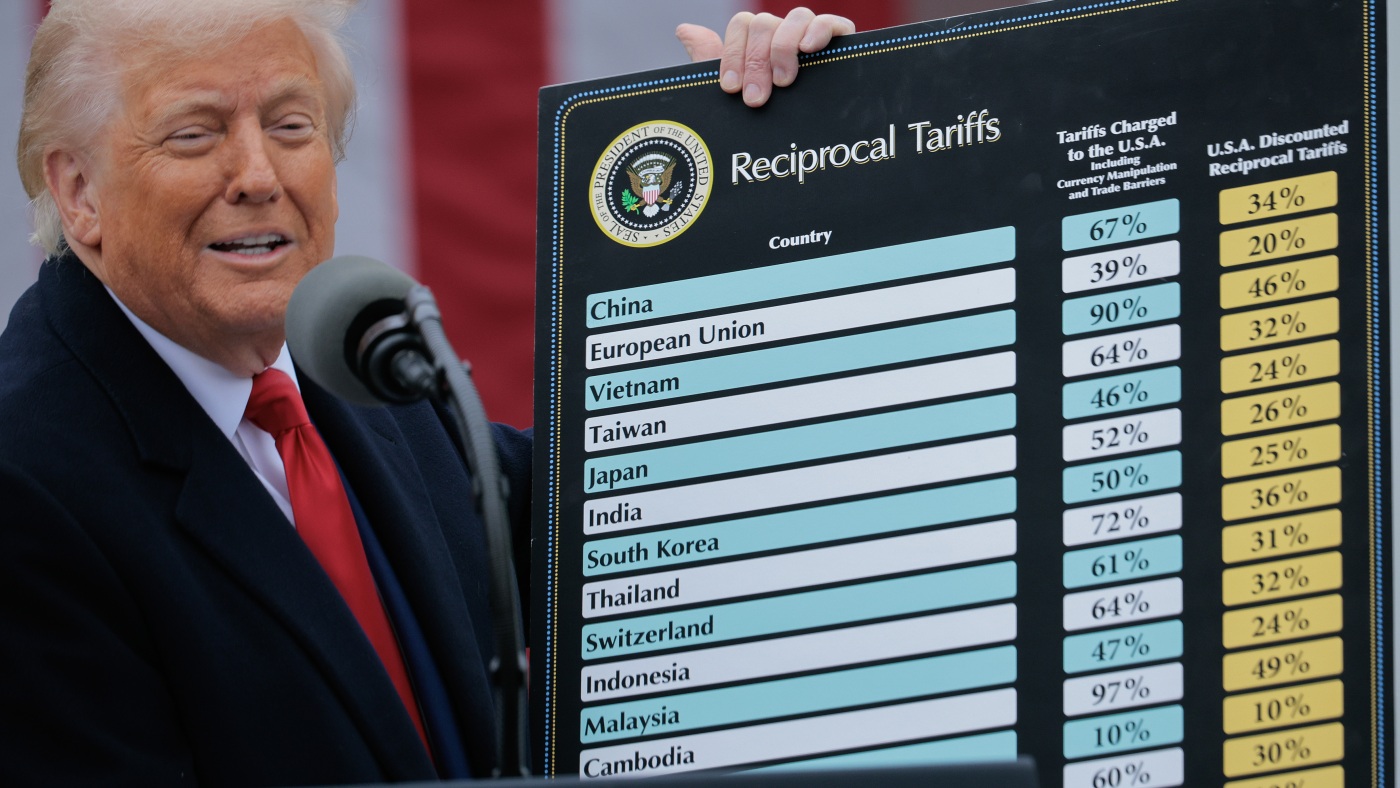
In recent announcements, President Trump outlined a series of new tariff measures. Despite some being put on pause, the larger concern among Americans is that these tariffs could inflate costs and potentially thrust the economy into a downturn.
As Trump commemorates the conclusion of his first 100 days in office, optimism surrounding the current state of the U.S. economy remains elusive.
Signs of economic deceleration are emerging. A substantial dip in stock market indices has occurred, while consumer confidence has plummeted to levels unseen since the COVID-19 pandemic began.
These indicators starkly contrast with the bright economic future Trump depicted during his inauguration just months ago.
Upcoming data from the Commerce Department, due on Wednesday, is anticipated to reveal that the country's economic progress was considerably slower at the start of the year compared to late 2024.
This quarterly GDP report encapsulates both the end of Biden's term and the start of Trump's tenure, during which a nascent trade conflict began to stir.
One factor impairing growth has been a spike in imports, as entities rushed to secure supplies ahead of the tariffs' introduction in early April. Imports negatively impact GDP by definition.
Public Anxiety is Growing
Economists suggest that consumer expenditure may have tapered off in the early months of the year, following strong economic growth as 2024 concluded.
According to Mark Zandi, Moody's Analytics' chief economist, while consumers continue to drive demand, their enthusiasm has notably waned.
The Conference Board, an independent organization, has reported a steady five-month decline in its index. Presently, concerns over tariffs have overshadowed inflation worries. A significant portion of respondents fear that Trump's tariff policies might elevate costs, thereby increasing the risk of recession. The leading components of this index already signal potential recessionary conditions.
Zandi notes, "The core issue at hand that leads to a recession is a crisis of confidence. When people doubt job security, they reduce spending, which can drive the economy into a slump."
Though employment figures remain stable, survey results from the Conference Board reveal the bleakest job market forecasts since the significant job losses of 2009.
Additionally, the decline in stock values has further shaken confidence. The S&P 500 has experienced a 7.3% downturn since Trump assumed office, while the Nasdaq has fallen by 11%. These are some of the toughest inaugural scenarios for a presidency since the 1970s.
With shipping operations bustling at high capacity, signals of strain are evident, such as at the Port of Long Beach, California.
Industry's Uneasy Adaptation
Imposed tariffs of 10% now cover almost every imported product, while Chinese imports face tariffs of up to 145%. Although additional tariffs have been suggested, Trump has momentarily halted them, sparking uncertainty among businesses about future trade costs.
Curt Carpenter embodies this predicament as he contemplates whether the tariff discourse will equate to mere negotiative tactics.
As the owner of a Boston-based store specializing in furniture and lighting, Carpenter sources most of his products from China. He notes that the tariffs pose more of a challenge to him than the financial crisis of 2008 ever did.
Carpenter reflects, "Ultimately, it's an added consumer tax. It's affecting sales, not because of competitive loss, but due to missed sales opportunities."
Tariffs: Divisive Yet Supported
Yet, some enterprises welcome the tariffs.
Tom Barr, whose family has been mold makers for three generations in Michigan, produces equipment for industries, including automotive. While competition from China had been detracting from his business, since the tariffs were enacted, interest from local industries like Ford Motor Company has surged.
Barr shares, "Ford reached out, exploring options. They haven't committed, but the inquiry itself, driven by tariff actions, represents a potential shift we wouldn't have seen otherwise."
Barr believes that while tariffs hold promise in reviving local manufacturing, they should be tactically applied to energize domestic industries without unduly harming the wider economy.
Leave a Reply