


Immersed in a Maternity Clinic: A Year-Long Journey to Craft a Film on Abortion
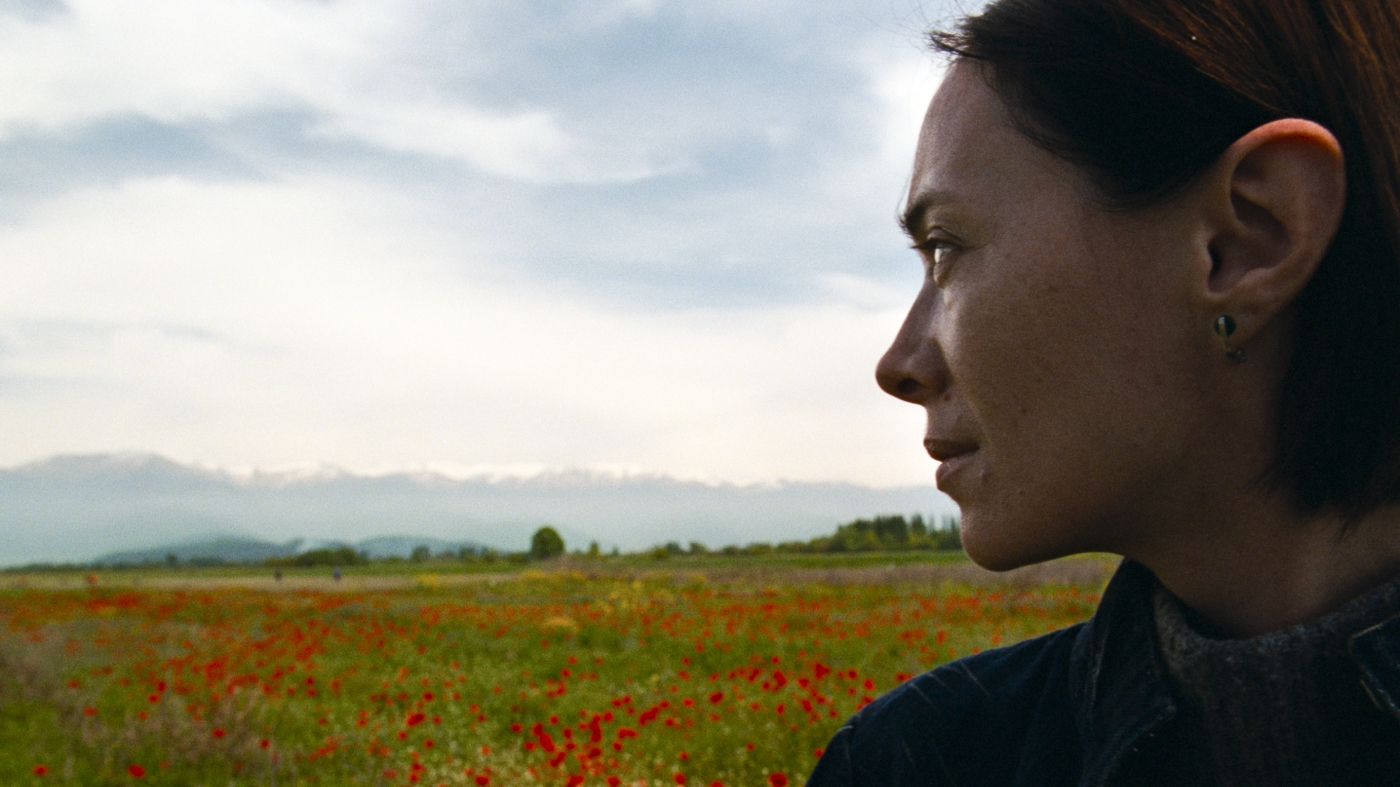
Actress Ia Sukhitashvili portrays Nina, a rural Georgian obstetrician known for performing abortions, in a poignant film directed by Dea Kulumbegashvili.
Raised in the picturesque yet challenging backdrop of the Caucasus Mountains, Kulumbegashvili experienced a unique path, contrasting with many of her peers who endured early marriages, often against their will, or suffered through other forms of adversity.
Her latest film, 'April,' delivers a stirring narrative about a doctor offering free abortions at home for those unable to afford the procedure. These women are often victims of unfortunate circumstances such as rape, their struggles mirrored by the serene landscape of blossoming trees and towering mountains.
A Global Perspective: Abortion Rights
Despite global strides in abortion accessibility, exceptions remain, as seen in nations like El Salvador and Poland. In the U.S., 2022 marked a significant shift with the rollback of federal abortion rights.
The Driving Force Behind the Film
Kulumbegashvili's inspiration came from her own experiences in Georgia, witnessing her contemporaries trapped in marriages or societal expectations, emphasizing a patriarchal structure where women's rights are often suppressed.
The film explores the theme of choice, depicting characters who, despite the desire, cannot escape the societal constraints that view such decisions with scorn.
The Complex Legal Landscape
In Georgia, while abortion is technically legal up to 12 weeks, accessibility is another matter. Outside major urban centers, cultural resistance and limited resources render it nearly impossible in practice.
An Immersive Filmmaking Experience
Spending a year inside a birth clinic, Kulumbegashvili embraced the daily realities of the medical staff. This grounded approach lent authenticity to the film, spanning dramatic narratives like natural births and cesarean sections.
Barriers to Screening Within Georgia
Despite its cultural relevance, 'April' has not been shown in Georgia. Kulumbegashvili notes governmental reluctance to engage with its controversial subject, limiting the film's visibility and impact domestically.
Although meant to spark important dialogue, the film's audience remains largely international. Kulumbegashvili acknowledges this challenge, choosing to avoid jeopardizing those who contributed to the project.
Looking Ahead
Kulumbegashvili’s future in Georgian filmmaking appears uncertain, as creating such controversial narratives in the current climate proves increasingly difficult.
A Global Narrative
With an international audience, the film aims to raise awareness about women's rights and the fragility of these freedoms. Kulumbegashvili hopes audiences understand the global context of her film and the undercurrents of women’s struggles worldwide.
This cinematic piece juxtaposes Georgia's stunning landscapes with stark realities of women's lives, inviting viewers to delve into a world where beauty coexists with profound societal challenges.
Leave a Reply