


Threatened Future of VA Medical Research
Impact of Research Funding Reductions
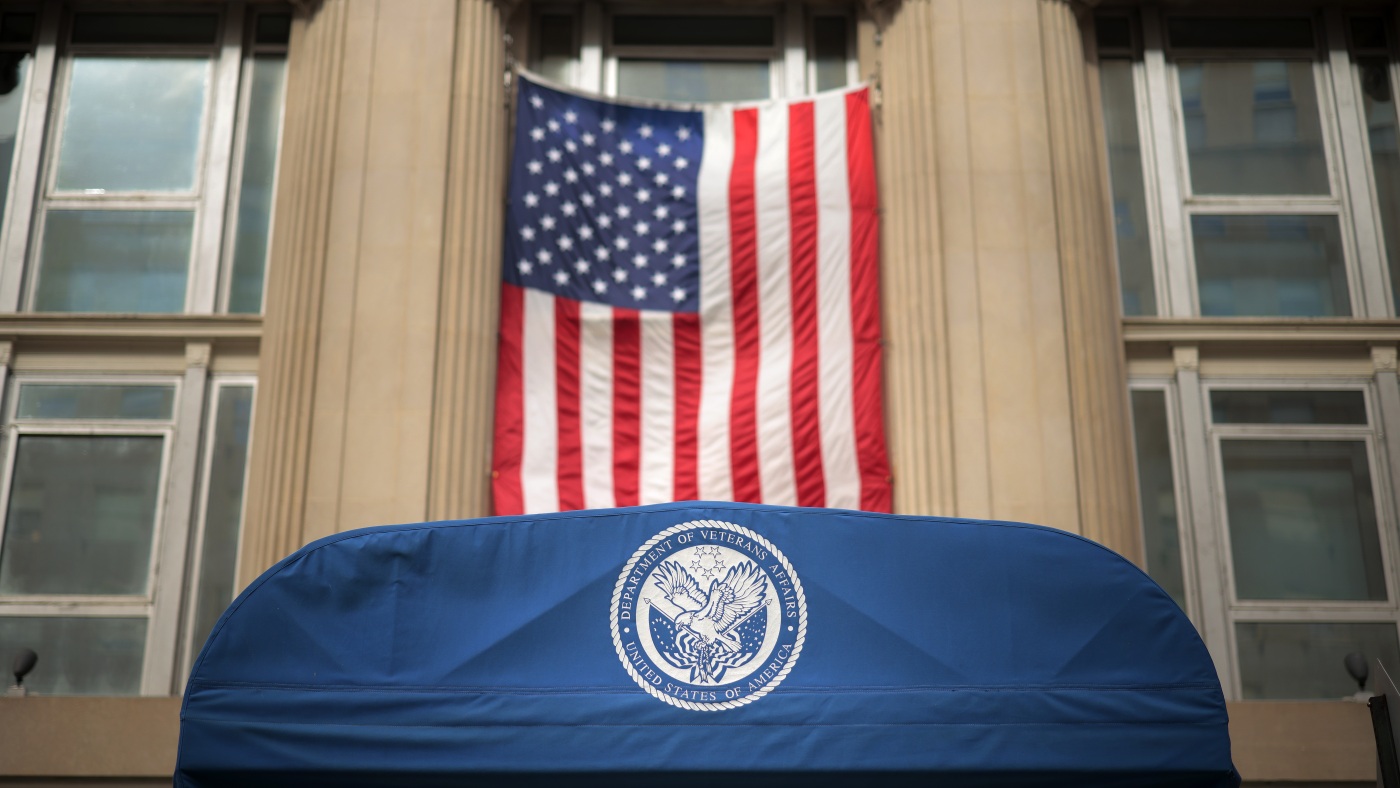
The Department of Veterans Affairs (VA), positioned near the White House in Washington, D.C., is facing potential budget cuts that threaten its longstanding contribution to medical breakthroughs.
Stephan Fihn, recognized for his impactful work at the VA, reflects on significant advancements in veteran healthcare that resulted from VA research.
"When prostate enlargement was prevalent, surgical intervention was the norm," Fihn shared with NPR. "Thanks to VA research, we discovered medication could be just as effective."
This shift allowed Fihn, who dedicated 36 years to the VA, to treat patients with prescriptions rather than invasive procedures.
In addition to innovations like managing prostate enlargement, Fihn highlights other groundbreaking developments in medical diagnostics, largely funded by the VA. Despite Congressional approval of close to a billion dollars for research, Fihn warns this funding is precarious.
Challenges of Uncertainty and Staffing
Misalignment in staffing policies has resulted in uncertainty within the VA's research community. An initial hiring freeze and announcement of widespread contract reductions caused significant concern, though certain positions have since been temporarily secured.
According to Pete Kasperowicz, a VA official, the department plans to assess current research activities to enhance veteran healthcare outcomes. During this evaluation, there is a 90-day extension on contracts to maintain research momentum.
Nevertheless, apprehension prevails, with key staff members leaving due to job instability. This jeopardizes the continuity of long-term projects like extensive genetic studies, and some researchers have anonymously expressed their fears of repercussions.
Maintaining Integrity in Medical Studies
Timothy O'Leary, a former leader in VA research, emphasizes the institution's role in validating healthcare practices. Unlike private enterprises with vested interests, the VA's unbiased trials often reveal whether new treatments genuinely outperform existing ones.
The VA's vast healthcare framework, coupled with its dedicated patient population, uniquely positions it to conduct expansive and genuine clinical trials, uninfluenced by financial incentives.
O'Leary points out that commercial pharmaceutical entities are less inclined to invest in trials that might not support their new products. The VA, conversely, is driven solely by the mission to serve veterans effectively.
Public Awareness and Future Concerns
Rashi Romanoff, CEO of the National Association of Veterans’ Research and Education Foundations, underscores the lack of public recognition for VA's role in advancing U.S. medical innovation. She views the current pause as an opportunity to advocate for increased research funding.
"Investing in the VA's research capabilities enhances not only veteran healthcare but strengthens America's position in global medical advancements," Romanoff asserts.
However, potential cuts under the Trump administration could drastically reduce the workforce beyond 300,000 healthcare workers, thus endangering pivotal research positions.
Leave a Reply