


Trump's Plan to Empower Local Police and Maintain ICE Authority
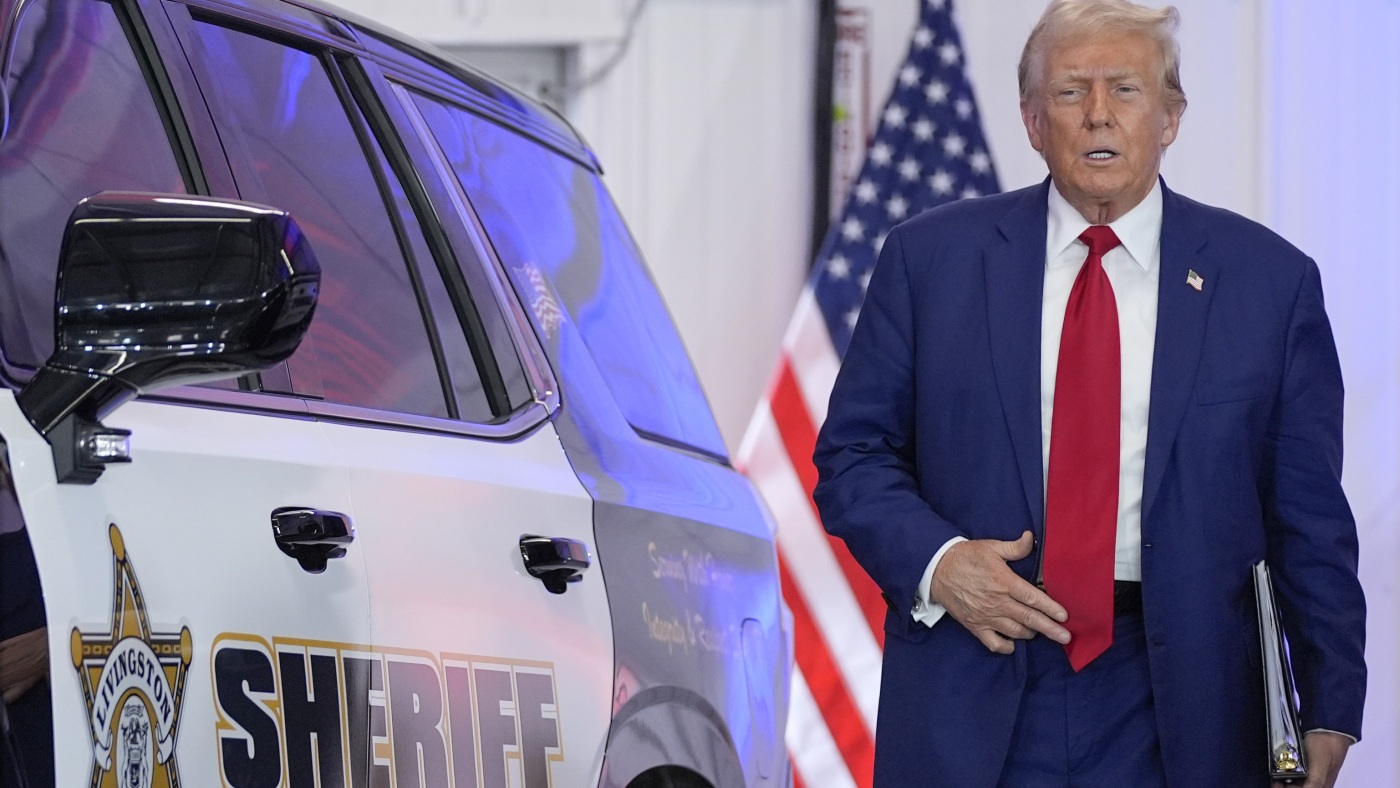
During a campaign event at the Livingston County Sheriff's Office, President Donald Trump discussed crime and public safety, emphasizing efforts to bolster local police forces.
President Trump has enacted two executive orders aimed at enhancing local policing efforts in coordination with federal law enforcement. These measures envision local police working more closely with federal agencies.
One specific executive order targets improvements in policing standards, calling for improved practices, enhanced training for officers, and better statistical tracking of criminal activity, hoping to address concerns from law enforcement bodies.
Peter Moskos of John Jay College of Criminal Justice considers the initial aspects of this order commendable, believing they genuinely aim to improve community safety through federal initiatives.
However, criticisms arise regarding the section advocating for federal interventions against local officials allegedly guilty of discrimination or obstructing law enforcement due to DEI policies. This component tracks closely with the administration's stance against so-called 'sanctuary' cities.
Those opposing this aspect, such as Moskos, argue it exemplifies excessive federal overreach into local law enforcement affairs, potentially complicating policing at the local level.
Additionally, Trump's measures include a directive to assess jurisdictions that hinder federal immigration operations, thereby expanding legal pathways to address such obstructions.
The administration's stance is underscored by threats to use legal channels against regions failing to cooperate with ICE, with added emphasis on respecting federal law enforcement's operations.
The orders also provide for federal support in certain legal circumstances, ensuring officers facing litigation for actions undertaken in their official capacity have access to legal defense.
Moreover, the order mandates the attorney general to reevaluate existing federal consent decrees with police departments, aiming to discard those seen as hindrances to proper law enforcement functions.
Critics of the executive order, like Juan Cuba from Sheriff Accountability Action, voice concerns that these measures might embolden officers to violate ethical standards, confident of pro bono legal defenses provided by the administration.
Leave a Reply