


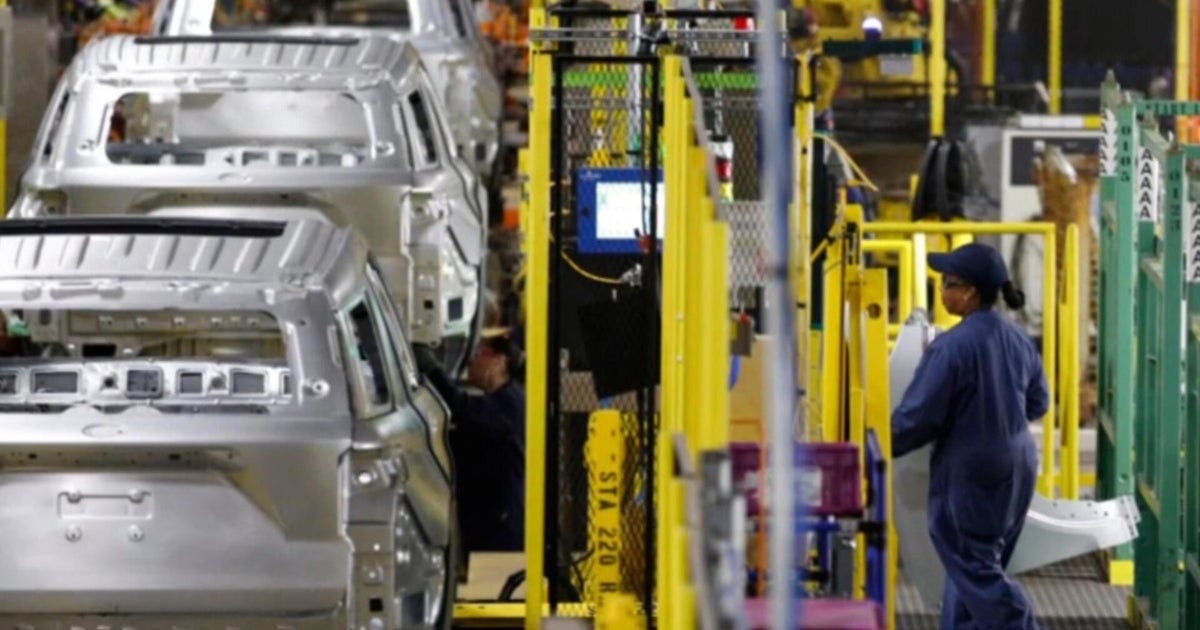
Understanding President Trump's Auto Tariff Revisions
President Trump recently made a visit to the outskirts of Detroit as part of commemorating his 100th day in office. During this appearance, he discussed plans aimed at providing support to the American automobile sector, which is facing the potential burden of increased manufacturing costs due to rising tariffs.
At the core of Trump's proposal is the intention to alleviate some of these financial strains on the automotive industry, a critical component of the nation's economy. The intended relief focuses on amending the tariffs that could potentially inflate production costs.
Impact on the Auto Industry
The proposed changes are greeted with anticipation from car manufacturers, who are concerned about the looming threat of increased expenses. Such tariffs, if left unadjusted, are feared to lead to a rise in vehicle prices for the average consumer, consequently impacting sales.
Trump's strategy underscores his administration's commitment to maintaining a competitive edge for domestic car manufacturers while warding off potential setbacks from international trade dynamics.
Policy Highlights
While specific details of the tariff modifications are yet to be fully disclosed, the overarching goal is to foster an environment for the auto industry that mitigates financial pressures and promotes growth and innovation.
These modifications are crucial as they are expected to influence both the production costs and the affordability of cars in the market. The automotive sector, which is pivotal to the U.S. economy, could see a transformation depending on the successful implementation of these tariff changes.
Observers and stakeholders within the industry are keenly awaiting further announcements on how these plans will unfold in practice, as it would dictate future business strategies and economic forecasts within the sector.
Leave a Reply