


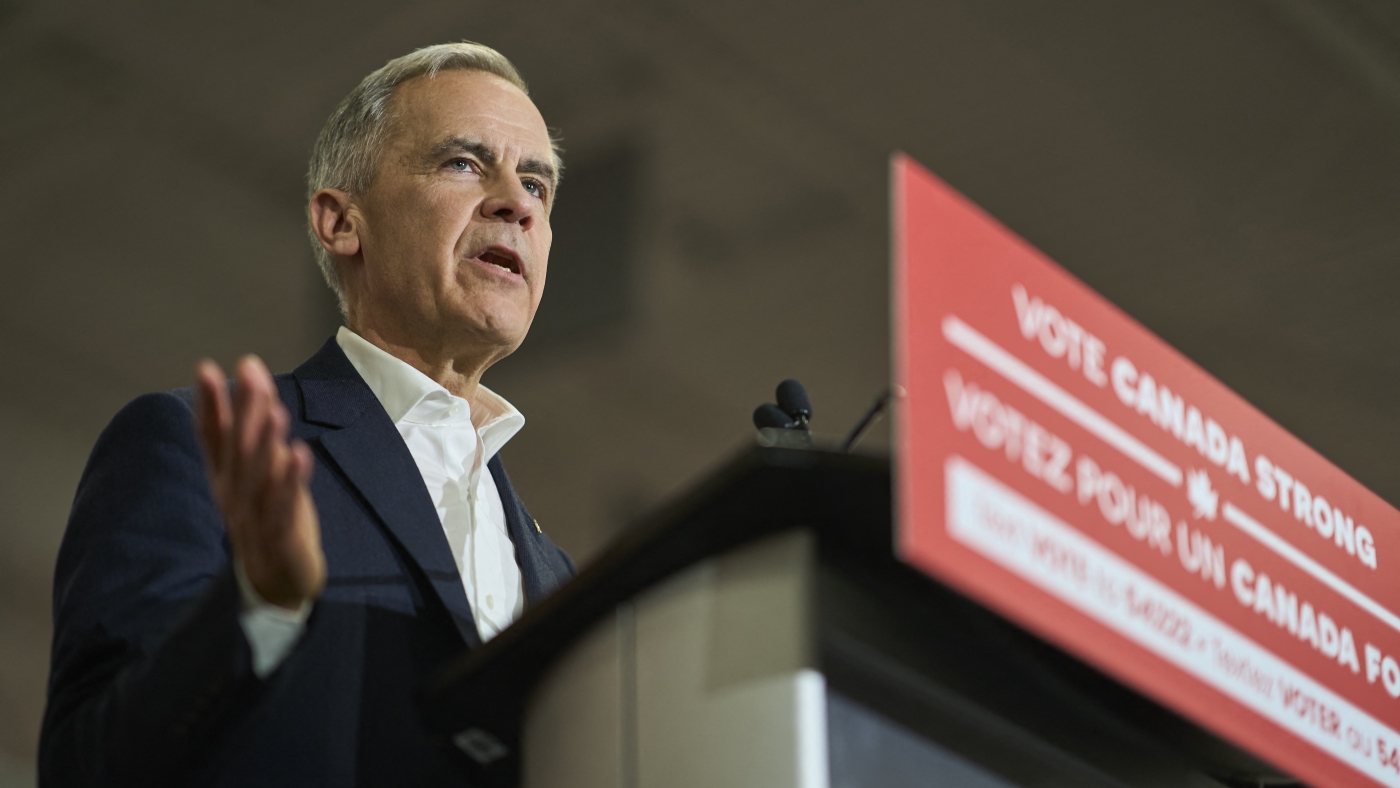
Mark Carney Elected as Canada's Prime Minister
The former governor of the Bank of England, Mark Carney, has emerged victorious in the Canadian national elections, taking on the role of Prime Minister. Despite Carney's personal success, it's not confirmed if his party, the Liberals, have secured the definitive 172 seats needed to hold a majority in the Canadian Parliament. The complete election results are expected overnight.
This election was heavily influenced by the debate over which candidate was best placed to confront international challenges, especially those posed by President Trump, who had incited a surge of nationalism with his controversial comments about Canada.
At 60, Carney transitions from a notable financial career, having led both the Bank of England during Brexit and the Bank of Canada through the 2008 financial crisis, to the political stage. His financial background and calm under pressure were key factors that persuaded voters of his capability to manage diplomatic tensions with Trump and his unpredictable policies.
Carney achieved a significant victory over Pierre Poilievre, the leader of the Conservative Party. This outcome was unexpected for Poilievre, who had seen a strong lead in earlier polls, at one point outpacing the Liberals by 27 percentage points.
Poilievre's popularity began to wane following the resignation of previous Liberal leader and former Prime Minister Justin Trudeau. Trudeau's departure, after ten years in power and declining approval, revitalized the Liberal Party. Subsequently, Carney succeeded Trudeau as the party leader.
A significant turning point was President Trump's aggressive stance towards Canada. His comments about potentially incorporating Canada as the '51st state' provoked widespread anger among Canadians, further consolidating support for Carney.
While Poilievre's policy agenda included aspects like 'Canada First,' stricter immigration controls, and reduced government intervention, his alignment with some of Trump's ideologies detrimentally impacted his campaign as election day approached.
Saturday's defeat marks a third straight loss for the Conservatives at the federal level, inciting discussions within the party about reevaluating their direction and voter engagement strategies.
Leave a Reply