


Rising Saltwater: A Looming Threat to Mississippi River Communities
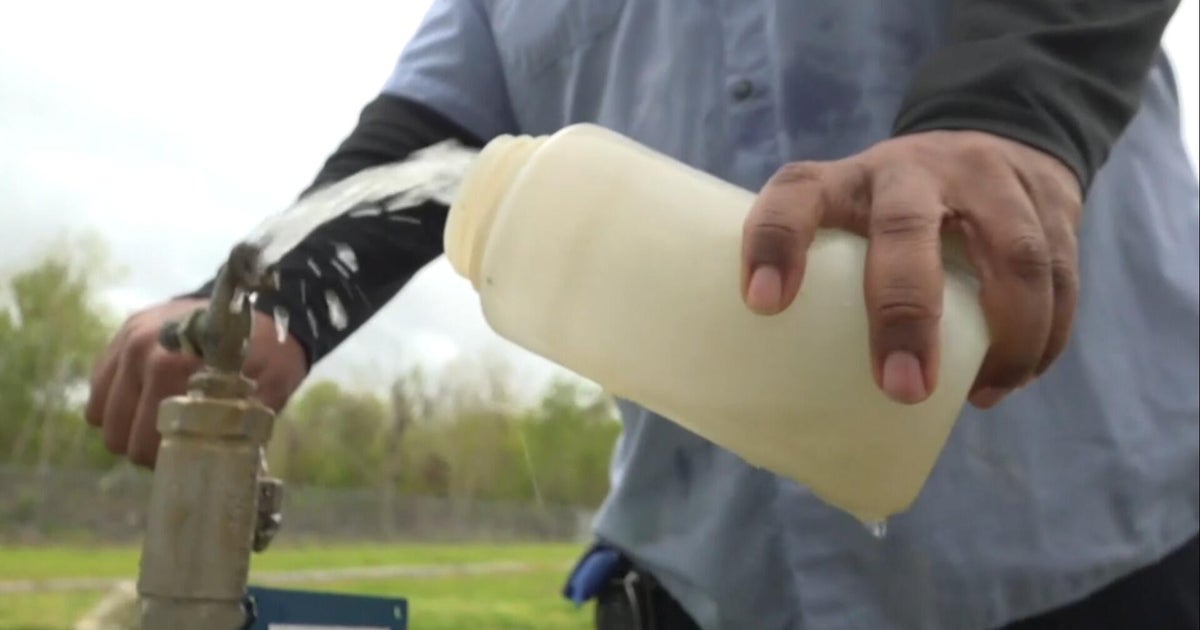
In recent years, residents along the Mississippi River south of New Orleans are grappling with an unwelcome visitor—saltwater encroaching upstream. This phenomenon is endangering public water supplies, hitting the seafood industry hard, and posing future risks to New Orleans' drinking water.
Mitch Jurisich, who hails from a family with a long history in the oyster business and serves as a council member in Plaquemines Parish—Louisiana’s southern tip close to New Orleans—expresses constant worry over saltwater's damaging impact.
"Saltwater has ruined our public oyster beds and pushed many into financial hardship," Jurisich remarked.
What was once a rare occurrence now haunts the community yearly. Over the past three years, the parish has faced salty waters that have compromised clean water for thousands of residents. Even with recent low salt levels, the damage to infrastructure is evident, spokes Jurisich.
The corrosive impact of salt has caused underground water pipes to break frequently, resulting in messy repairs and diminishing water pressure. In some places, simply taking a shower is a challenge.
There is also the fear of lead contamination as saltwater corrodes old pipes further. These pipes could potentially release dangerous lead into the drinking water of homes with outdated plumbing.
Repairing the damage and reinforcing Plaquemines Parish’s infrastructure to withstand future assaults would require an estimated $200 million.
The situation in Plaquemines serves as a warning to other coastal cities currently at risk or experiencing similar challenges, such as Philadelphia.
Jurisich advises others that preparation is key: "Many ignore an issue until it becomes unavoidable. If you notice trends, start preparations immediately," he advised.
The parish has devised a decade-long improvement plan to counter saltwater impacts, but acquiring funding poses a challenge amidst extensive federal ventures.
Causes Behind the Saline Onslaught
Expert studies from institutions like the University of Arizona and Tulane University attribute increasing saltwater intrusion to worsening drought conditions, rising sea levels, severe weather, and river dredging.
Historically, after the Mississippi River dredging project in the 1980s aimed at enhancing New Orleans' port access, saltwater began rising upstream more regularly.
Protective Measures and Future Risks
In 2023, saltwater nearly reached New Orleans, threatening the city’s water sources and prompting emergency measures. The U.S. Army Corps of Engineers erected an underwater sill to halt saltwater advance.
Though effective temporarily, such sills degrade over time, necessitating reconstruction in 2024 to avert another crisis.
The longevity of New Orleans' aging water infrastructure raises concerns over its capacity to withstand such challenges, further emphasizing the need for dependable solutions.
A Call for Comprehensive Solutions
Faced with a projected $9 billion in tourism revenue, New Orleans officials stress the urgency of more durable solutions rather than temporary fixes like sills.
Louisiana's Lieutenant Governor, Billy Nungesser, has voiced the necessity of reinforcing the coastline, advocating for constructing ridges and islands to counteract increasingly severe hurricanes.
The placement of current protective measures leaves areas such as Plaquemines Parish vulnerable, according to Nungesser, who also supports restoring the Mississippi's natural flow to curb saltwater intrusion.
Residents like Byron Marinovich, owner of a local eatery, recount the expensive toll saltwater incursions have on daily life and business. "Relocation seems inevitable if clean water remains uncertain," Marinovich mentions.
Various stakeholders, including Nungesser, stress that rapid intervention is required before the situation in the Mississippi River Basin worsens due to continued neglect.
Leave a Reply