


House Approves the "Take it Down Act," Awaits Presidential Signature
In a significant legislative stride, the House has passed a bill on Monday making it a federal offense to distribute both genuine and digitally altered sexually explicit images of someone without their approval. The first lady, Melania Trump, a vocal supporter, championed the bill's journey to the president's review.
This bill, labeled the "Take it Down Act," was decisively approved by the House with a 409 to 2 vote, with dissent from only two Republican members. The Senate had already given its unanimous nod in February.
Under this legislation, social networks and online platforms are mandated to delete objectionable images and videos, even those created with artificial intelligence, within 48 hours following a victim's appeal.
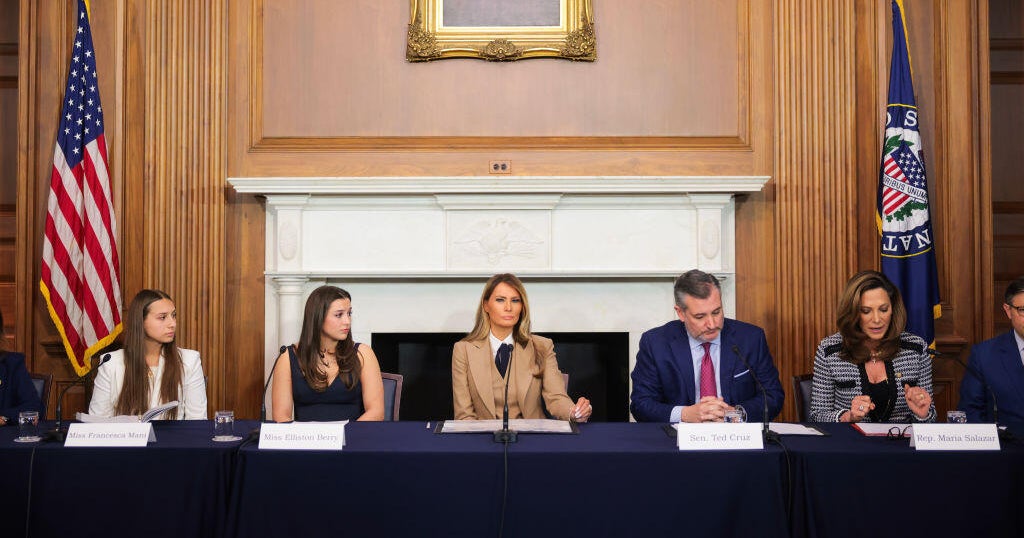
Senator Ted Cruz from Texas, who spearheaded this initiative, highlighted a publicized case involving a teenager victimized by AI-generated explicit images shared by a classmate. Her family struggled to combat this affront until contacting Cruz, drawing attention to the convoluted removal process faced by victims.
"Requiring intervention from elected officials to rectify such issues should be obsolete," Cruz stated during a March advocacy session.
Accompanying Cruz at this pivotal discussion, Melania Trump expressed profound concern over the damaging impact of malicious digital manipulations, particularly targeting young females, emphasizing the heavy emotional toll it incurs.
Following Congress's passage of the bill, the first lady commended the legislative unity reflected in the bipartisan support, advocating for the safeguarding principles embedded in the act to protect children's integrity and safety.
Melania Trump expressed gratitude towards the legislators who prioritized youth protection, affirming the critical need for safeguarding children from online exploitation.
The FBI has reported an unsettling rise in extortion incidents tragically culminating in suicides, prompting lawmakers to view the bill as a potential life-saving tool offering victims a path to justice.
Rep. Maria Elvira Salazar of Florida, who played a significant role in sponsoring the House version, articulated the bill's comprehensive aim to halt cyber harassment and avert tragic outcomes from online shaming.
Tech giants including Meta (owner of Facebook and Instagram), TikTok, and Snapchat have voiced their approval of the proposed legislation, aligning with its intended goals.
However, several digital rights advocates caution that while well-intentioned, the legislation might inadvertently stifle legitimate expression and lacks sufficient safeguards against wrongful takedown claims.
Leave a Reply