


New Findings on Dostarlimab: A Game-Changer for Early-Stage Cancer Patients?
According to groundbreaking research published in the New England Journal of Medicine, a portion of patients grappling with early-stage cancers might have the possibility of foregoing surgical procedures, thanks to the benefits of the immunotherapy drug, dostarlimab.
In a pivotal clinical study, 82 out of 103 individuals demonstrated such positive reactions to this treatment that surgeries were deemed unnecessary.
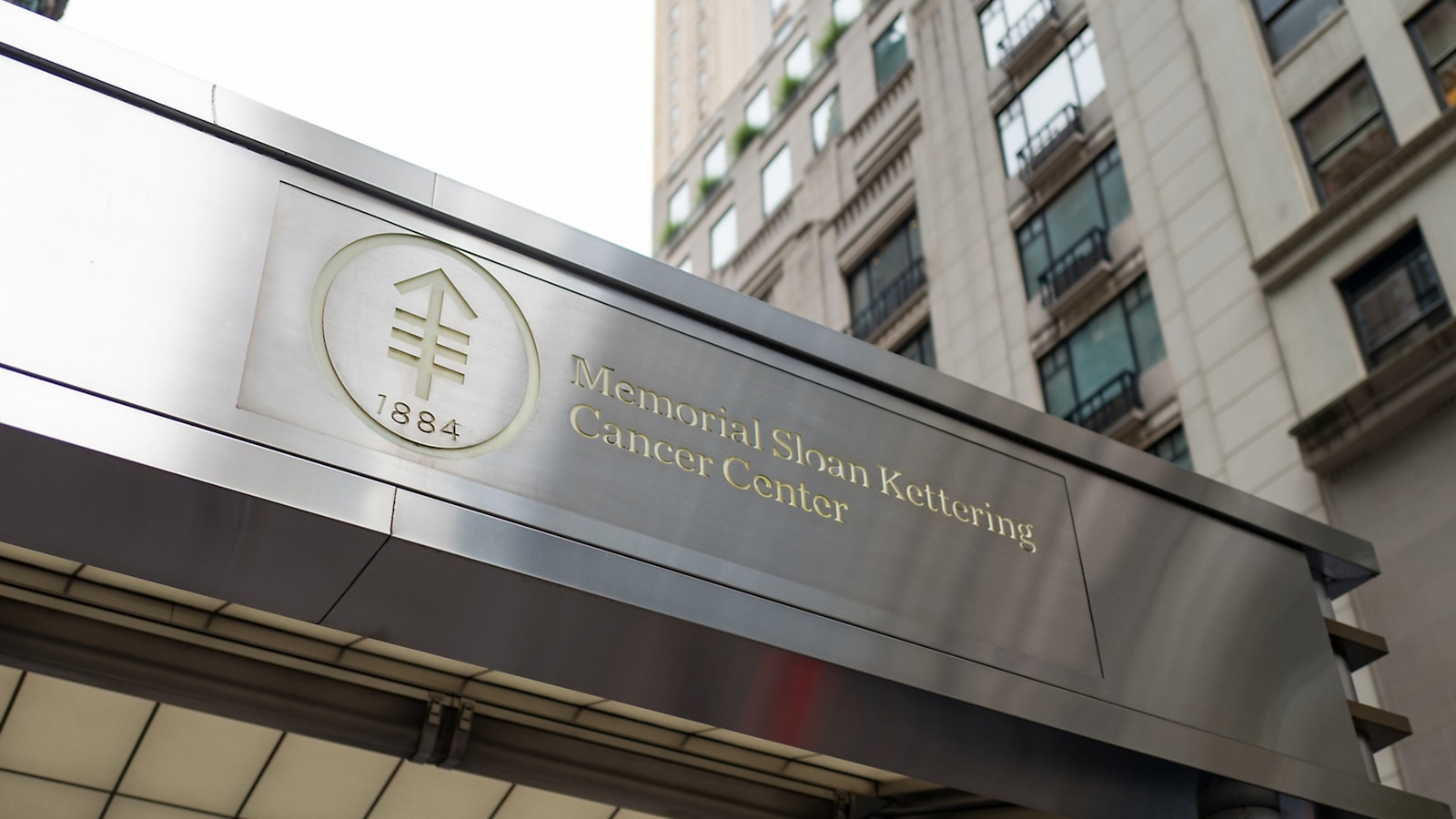
Despite these encouraging outcomes, the research was confined to the Memorial Sloan Kettering Cancer Center in New York City. The extended follow-up of some patients is still pending, leaving a gap in understanding whether their cancers might resurface over time.
With the study encompassing a diverse array of cancer types, analyzing outcomes for each specific cancer was challenging due to the limited number of patients per cancer type.
The study zeroed in on patients with a distinct genetic condition known as a "mismatch repair defect," where the impaired ability of cells to mend DNA damage increases their likelihood of benefiting from immunotherapy.
Dr. Luis Diaz, a leading contributor to the study and head of the Division of Solid Tumor Oncology at MSKCC, remarked, "These patients essentially self-selected based on a unique genetic mutation, which is present in roughly 2% to 3% of all cancer cases."
Understanding the Impact of Early-Stage Cancer Treatments
Early-stage cancer patients, when diagnosed, often confront the need for substantial surgeries aimed at tumor removal, sometimes coupled with aggressive chemotherapy or radiation.
Such operations can take a toll, especially when cancers involve organs in the abdominal or digestive regions — potentially leading to difficulties in eating, or even impacting fertility.
For the 49 patients diagnosed with early-stage rectal cancer undergoing six months of immunotherapy, surgery was successfully avoided.
"Post-treatment, their tumors completely vanished," explained Dr. Andrea Cercek, who leads the Colorectal Section at MSKCC. "They required no additional interventions."
Remarkably, two years on, 92% of these patients continued to live free from cancer. Among the initial batch reaching the five-year milestone, each of the four individuals remained illness-free; notably, two had even started families, an opportunity denied had they pursued conventional treatments.
The Broader Implications for Other Cancers
Among patients with different early-stage cancers, 35 out of 54 managed to circumvent surgery following successful immunotherapy. Although two opted for surgical procedures — one for personal reassurance and another to eliminate cancer-related devices.
Out of the five whose cancers recurred, most were treated effectively again.
Dr. Cercek emphasized that while immunotherapy alone might not yet universally substitute for surgery, these findings pave a path toward future advancements.
"Visualize a scenario where cancer doesn't mean sacrificing vital organs. For certain patients, we can eradicate the necessity for invasive surgeries. It is indeed a transformative breakthrough," reflected Diaz.
By integrating alternative strategies with this immunotherapy, Cercek remains hopeful of mirroring such successes across varying cancer types.
"Our trial persists, and efforts to broaden the scope beyond Memorial continue, aiming to establish this therapy as a conventional treatment method," Cercek articulated.
Leave a Reply