


Impact of Trump's Policies on ESG Funds: Morningstar Analysis
The ongoing withdrawal from so-called environmental, social, and governance (ESG) investment vehicles in early 2025 can be ascribed to escalating opposition spurred by President Trump's policies disfavoring climate and diversity goals, as per a report by Morningstar.
ESG funds, synonymous with responsible or sustainable investments, enable investors to align their portfolios with values such as environmental protection and corporate diversity.
Data from Morningstar shows that $6.1 billion was extracted from ESG funds from January to March 2025, building on a $4.3 billion withdrawal in the last quarter of 2024.
This marks the tenth successive quarter where these funds have seen outflows.
The report notes that part of the diminishing enthusiasm for sustainable investments among American investors stems from an anti-ESG sentiment which has intensified following Trump's re-election.
At the conclusion of Q1, U.S. investors' holdings in ESG funds were valued at $330 billion, constituting about 10% of the worldwide total.
Resistance to Climate and DEI Initiatives
Even prior to Trump's presidency, areas of the ESG sector, including clean energy, faced challenges due to elevated interest rates, according to Morningstar. These rates increase financing costs for capital-heavy renewable projects.
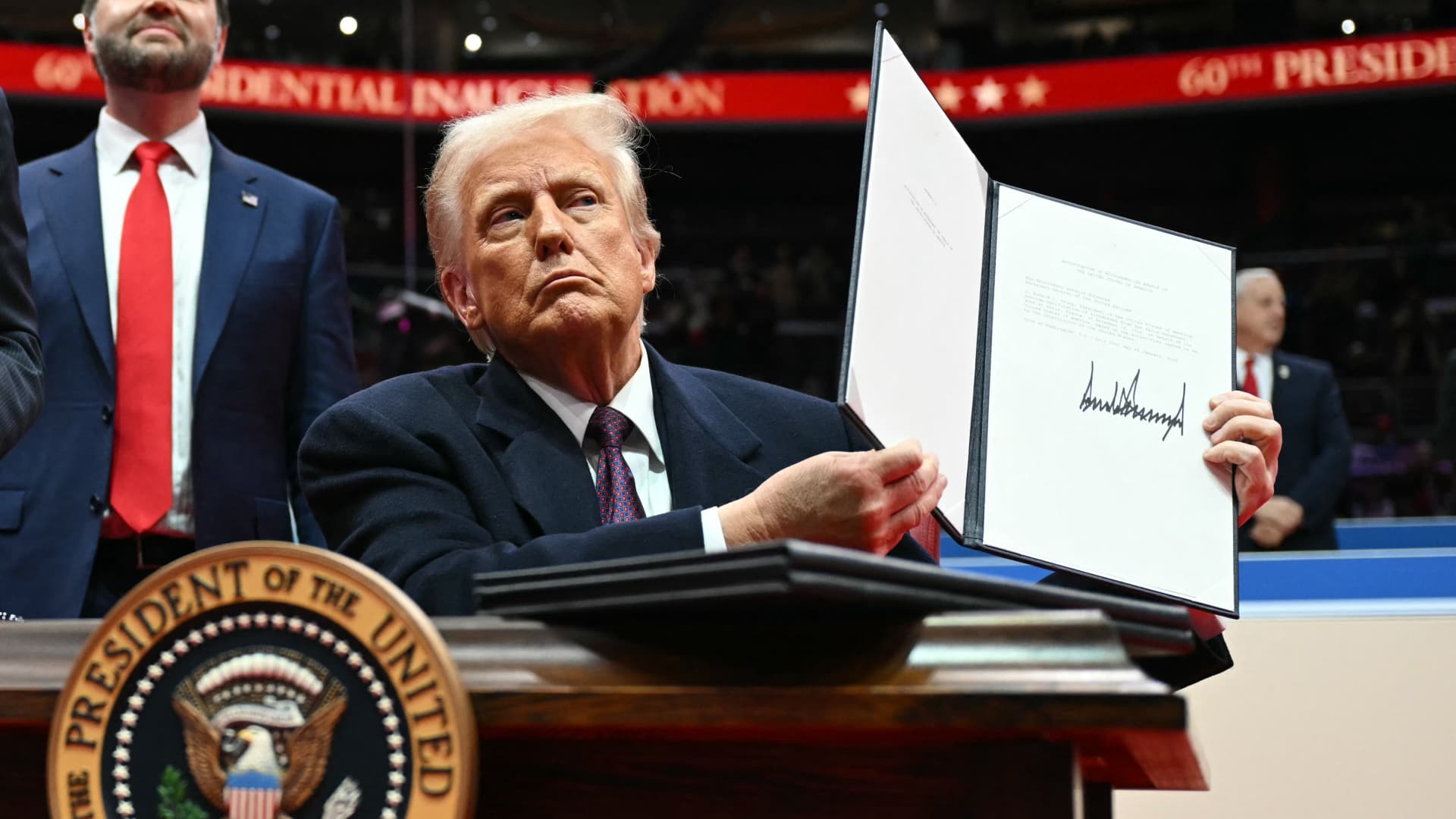
Trump's presidency added additional pressure. Shortly after taking office, he withdrew the U.S. from the Paris Agreement, curtailed electric vehicle support, expanded fossil fuel development, and strongly opposed diversity, equity, and inclusion (DEI) policies, as noted by Diana Iovanel, a senior analyst at Capital Economics, in March.
In late March, a Republican-controlled effort to contest a climate-related SEC ruling in court compounded uncertainty about the future of pivotal climate legislation enacted by President Joe Biden.
Before Trump's second term commenced, at least 18 states had instituted anti-ESG laws, leading asset managers to scale back their ESG strategies, Iovanel reported.
Additionally, Trump ordered the removal of all DEI-linked federal mandates, prompting companies such as Walmart, Lowe's, and Meta to reduce their commitments to DEI programs, Morningstar stated.
The Future of ESG Beyond Trump’s Influence
Despite the obstacles, Trump's policies aren't expected to spell the end for ESG investments, Iovanel noted.
The demand for ESG investments is likely to persist, even against a backdrop of political tension, she emphasized.
Support for ESG is substantial despite GOP resistance. States like California have adopted supportive regulations, and surveys suggest that major asset managers, including those in the U.S., continue investing in ESG assets despite controversies, Iovanel elaborated.
Moreover, interest in sustainable investments remains high among individual investors, especially younger ones, according to analysts.
A 2024 study by Morgan Stanley revealed that 84% of individual investors in the U.S. are keen on sustainable investing, with 65% reporting heightened interest over the past two years.
Though some detractors raise concerns, proponents argue that ESG investments offer a compelling case for strong long-term returns, crediting resilience and success to companies embracing such strategies.
Leave a Reply