


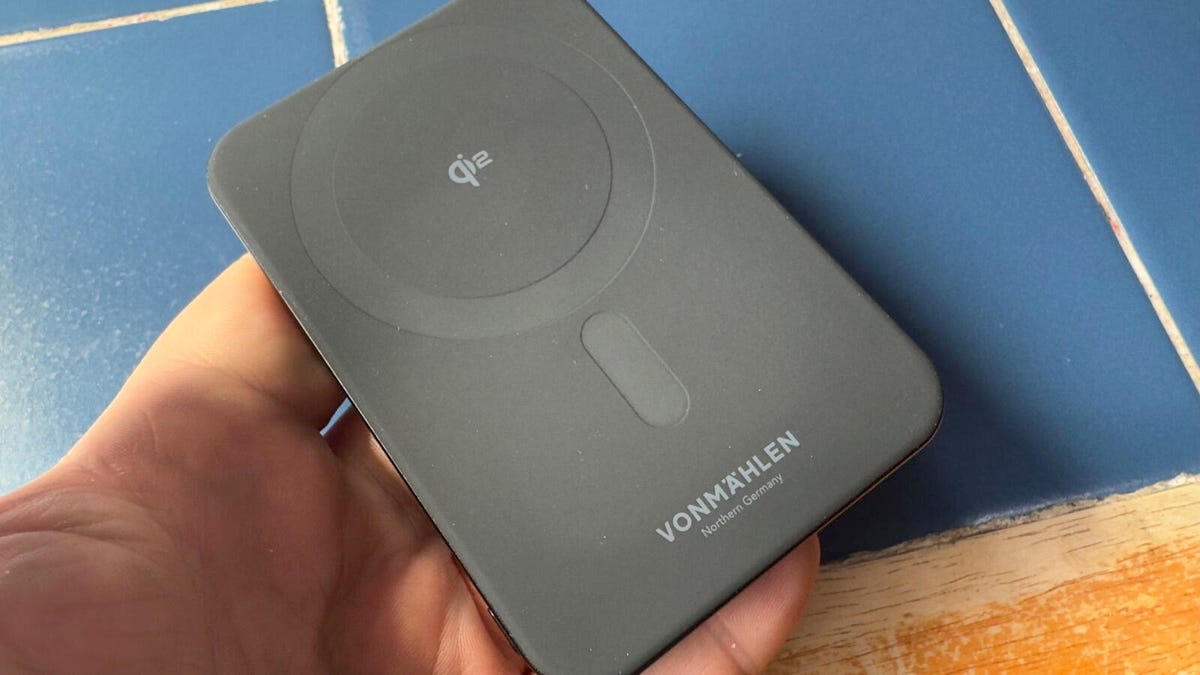
Discovering a Sustainable Power Bank with Wireless Charging
Our escalating issue with electronic waste is no secret. The volume of discarded gadgets continues to multiply, yet strategies to recycle them lag considerably. As of 2022, an enormous 62 million tons of electronic waste were generated globally, with expectations pushing this number to 82 million tons by 2030. What's troubling is that a mere fraction, less than 25%, is actually recycled.
This is why innovations in sustainability excite me, especially when companies embrace recycled components in their tech items. One such company hails from Germany, focusing on environmentally-friendly technology, and they've unveiled an intriguing MagSafe power bank crafted from 37% recycled elements.
Introducing the Evergreen Mag
The latest Evergreen Mag power bank boasts an appealing set of features. It comes equipped with a 5,000mAh battery, a Qi2 wireless charging pad delivering up to 15W output, and a USB-C port that accommodates 20W power delivery output as well as 15W input for refilling its charge. Importantly, it allows for simultaneous usage of both the wireless and USB-C outputs, offering 5W from each.
With dimensions of 102 × 70 × 8.6mm and weighing a mere 118g, the Evergreen Mag is among the slimmest power banks available. These proportions make it extremely convenient to carry, ideal for slipping into a pocket or bag without a snag. The device features recycled materials, including aluminum, PC + ABS, and cobalt, all of which perform admirably whether new or reclaimed.
A Model of German Engineering
A hallmark of precise German engineering, this power bank provides impeccable function paired with immaculate craftsmanship. It's positioned at a premium price of €70, reflective of its high-quality build and sustainable use of materials.
My previous unfamiliarity with the brand Vonmählen is now a thing of the past. Their contribution to the sustainable tech landscape is both impressive and necessary. While availability remains a challenge outside Europe, I am hopeful that this can change. A wider market presence could not only enhance availability in the U.S. but also encourage similar steps toward increasing the use of recycled materials in technology at large.
Leave a Reply