


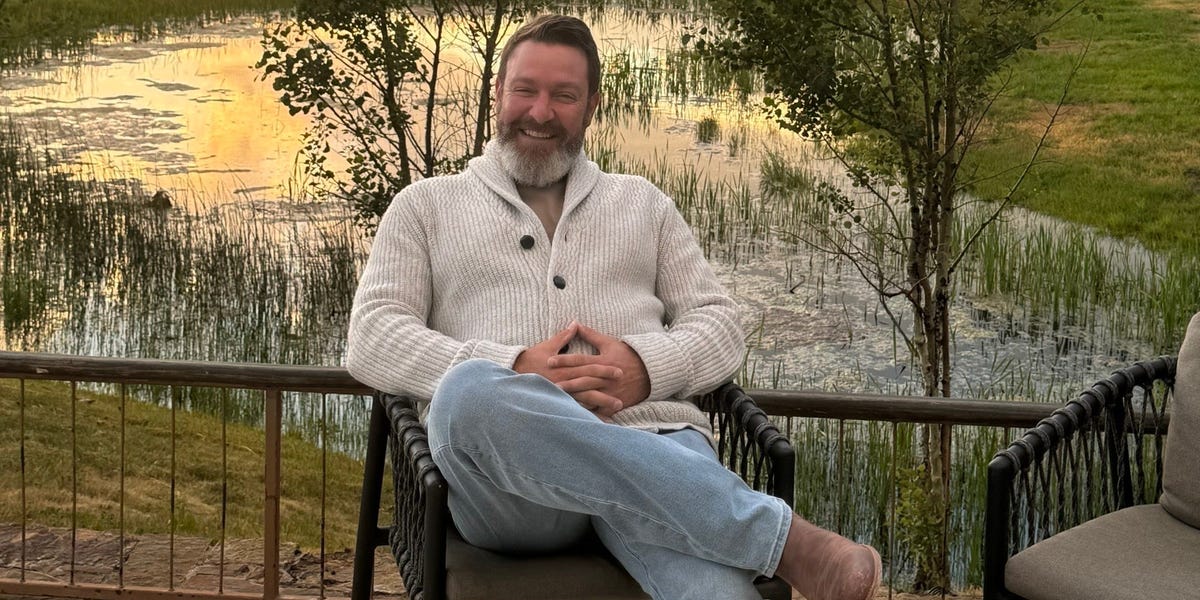
I'm a financial advisor ensuring straightforward estate directives for my children after years of managing my parents' estates
Ari Brojde, a professional in wealth management, faced unexpected challenges when resolving his grandmother's estate, a process that extended for almost three years. Using this experience as a catalyst, he and a cousin developed software designed to ease estate administration.
Reflecting on his experiences, Brojde emphasizes the importance of clear, preemptive discussions and robust legal plans to facilitate the swift resolution of estate matters.
This narrative is drawn from a dialogue with Ari Brojde, founder of Estateably, and has been condensed and refined for clarity.
The Unexpected Complexity of a Simple Estate
In 2015, as Ari Brojde worked as a wealth advisor, he anticipated a straightforward resolution for his grandmother's estate, as she had no property and only a $250,000 retirement fund marked to be shared equally among her three grandchildren. Despite the clear arrangements and harmonious relations among the cousins, the process turned out to be lengthy and challenging.
Brojde soon realized the problem lay not within the family but within a cumbersome system that proved time-consuming, even for a simple estate. Conversations with legal and financial experts confirmed these systemic challenges.
Innovation Through Experience
Motivated by these difficulties, Brojde and his cousin launched Estateably—an application designed to guide families and professionals through estate administration. Brojde concurrently began preparing measures to ease future estate proceedings for his own family, including his wife and two teenage children.
Transparently Communicating Estate Plans
It's crucial to discuss intentions about estate plans. By having open dialogues about his will with his young children, Brojde aims to prevent possible misunderstandings or feelings of resentment.
Reflecting on his father's passing when he was 29, Brojde recalls feeling hurt by the lack of inheritance. However, his mother's passing later unveiled the tax efficiency of his father's choices, which might have spared earlier anguish had they discussed these matters beforehand.
Employing Professional Expertise
Drafting a solid will is challenging, not least the complexity of establishing it as legally binding. Brojde emphasizes the importance of working with professionals like lawyers and accountants due to their comprehensive understanding of estate planning intricacies.
Planning for the Unpredictable
While most consider arranging their affairs for after their death, Brojde stresses the necessity of planning for incapacitation. Witnessing his mother's decline due to a progressive illness has led him to integrate explicit directives regarding his healthcare preferences, should he become incapacitated. This includes provisions for euthanasia, with funds set aside to potentially relocate to a jurisdiction where this is permitted.
Maintaining Thorough Records
In moments when personal communication is impossible due to incapacitation or death, detailed records become indispensable. They minimize misunderstandings and conflicts among surviving family members. Brojde advises individuals to clearly document their wishes, down to their epitaphs, to maintain control while possible.
Leveraging Automation
Administering an estate demands substantial effort, from closing digital accounts to asset liquidation. Brojde emphasizes the role of technology, as in the software he helped create, to alleviate this workload. Such tools can automate repetitive tasks, allowing heirs more time to process their grief rather than logistics.
As the baby boomer generation ages, society anticipates an immense transfer of wealth. Automation and technology aim to support the next generation by simplifying estate management, freeing them to focus on mourning rather than complicated administrative burdens.
Leave a Reply