


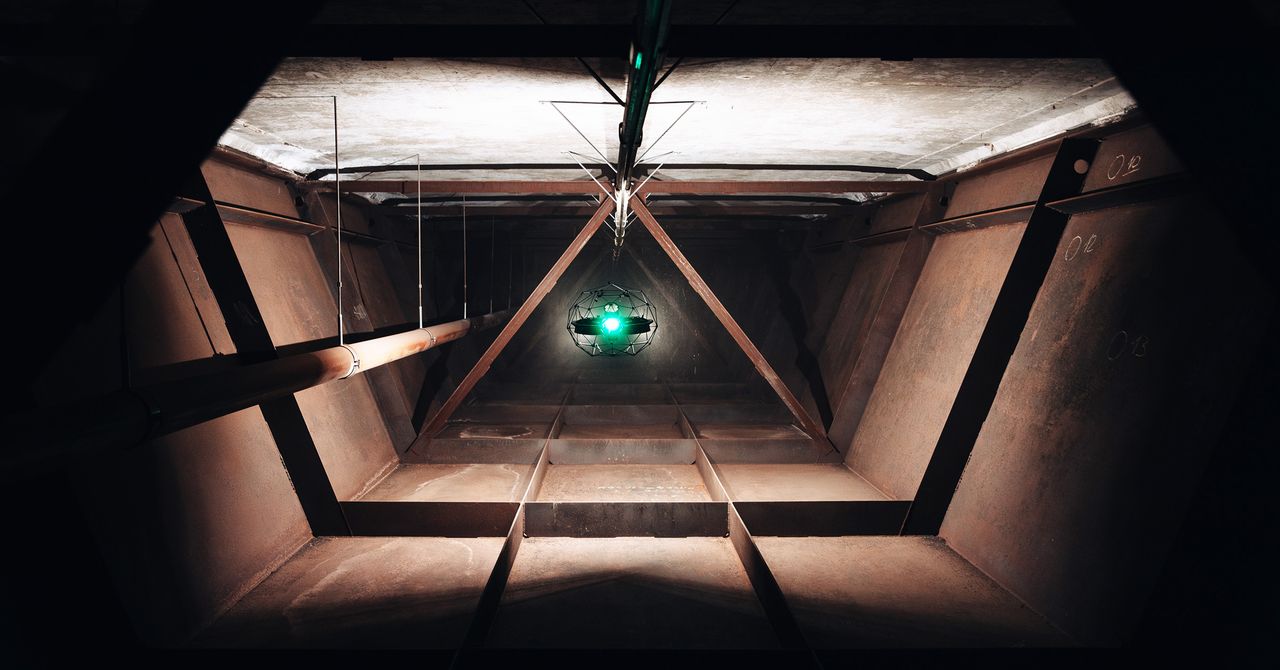
Drones Navigating Sewers Ensure Continuous Operations Without Human Intervention
In December 2016, an alarming sequence of popping noises was heard by residents inside a Fraser, Michigan residence. Initially mistaken for snow sliding off the roof, the reality was far more serious: bricks were being displaced due to their home beginning to sink into a developing void beneath them.
After relocating families from the area, officials discovered a collapsed sewer interceptor was the culprit, endangering several homes and a considerable portion of Fraser’s busy 15 Mile Road. This was an unexpected and unwelcome start to the holidays for those residents.
Vince Astorino, Operations Director at the Macomb County Public Works Office, is tasked with the supervision of the county’s wastewater systems, including extensive sewer networks. He explained that a substantial section of sewer, with an 11-foot diameter and located 70 feet underground, had failed, significantly reducing wastewater transport. This critical segment serves approximately 800,000 individuals.
Astorino and his team responded swiftly, establishing bypass systems to avert sewage from spilling into surrounding homes. Only the house where initial sounds were heard was demolished. However, repairs took nine months to complete, covering around 4,000 feet of pipeline at a direct taxpayer cost of $75 million, excluding the indirect costs borne by local businesses and residents due to the disruption.
The Importance of Regular Sewer Inspections
Avoiding catastrophic failures requires frequent inspection for structural weaknesses in sewer pipes that could lead to erosion and collapse. However, traditional inspection methods using remotely operated vehicles or physical entry are hampered by the challenging conditions within sewers, which can also pose significant risks.
This is why drones have emerged as a game-changing solution. Specifically engineered to function in restricted environments, these aerial robots can conduct inspections more safely and efficiently.
Revolutionary Technology: The Elios 3 Drone
The Elios 3 drone, crafted by Flyability in Switzerland, is a prominent model used in sewer inspections by firms such as Veolia. Protected by a sturdy cage and armed with high-tech equipment such as a 16,000-lumen lighting system, a 4K camera, and LiDAR capabilities, the Elios 3 can traverse the dim and dusty underground terrain. Its modular assembly allows for additional equipment like explosive gas sensors.
Flyability's Communication Manager, Eloise McMinn Mitchell, emphasizes the noticeable effectiveness of the Elios 3 compared to human-based inspections, highlighting its increased efficiency in sewer settings. Unlike traditional methods that demand larger teams and result in traffic disruptions, the drone requires fewer personnel and reduces exposure to hazardous conditions, thereby lowering inspection costs significantly.
In May 2024, Macomb County advanced its inspection processes using Flybotix's Asio X drone alongside SewerAI software, investing $100,000 in this technology. Previously, the manual inspection incurred a $1 million expense every three years, with footage often delivering suboptimal results.
The Versatility and Precision of the Asio X Drone
The Asio X, with its compact design and powerful lighting and camera setup, can navigate nearly all pipe sizes, providing crystal-clear imagery. Although manual piloting in confined, dark, and unpredictable environments remains challenging, trained operators like Captain Zach expertly manage these flights.
Drones like the Asio X enhance efficiency with streamlined operation. Antennas ensure a stable connection between the drone and its controller. Each flight, lasting about 20 minutes, captures comprehensive visual and sensor data over approximately 1,000 feet.
Automating Data Analysis with SewerAI
Data from the drone flights is processed by SewerAI’s intelligent algorithms. Astorino notes this automation has radically transformed inspection routines from months-long analyses to rapid defect detection, with feedback within hours.
SewerAI outshines previous methods in identifying structural issues, sending results back to the county promptly to facilitate timely interventions. Older data, previously overlooked, gets reassessed for missed defects, supporting targeted repairs.
Pioneering the Future with AI-Driven Inspections
Macomb County leads Michigan in integrating drones and AI for sewer inspections, earning accolades for its innovative approach. Astorino highlights their ongoing pursuit of technological advancements amid the evolving landscape of AI, aiming for continued modernization and efficiency improvements.
Leave a Reply