


Christmas Preparations Threatened by Trade Policies
While children dream of magical elves and reindeer, a hidden army of workers makes the holiday season truly special. From assembling fake Christmas trees to unloading shipping containers packed with toys, this dedicated workforce ensures Americans find a wide variety of holiday decorations and gifts each December. Yet this orchestrated effort faces unprecedented disruptions due to President Donald Trump's aggressive trade tariffs targeting China, potentially throwing a massive wrench into global commerce.
Numerous companies engaged in international trade are on edge, watching anxiously as the tariff skirmish with China continues without resolution. Some have halted their orders, while others desperately seek new suppliers. This disturbance is particularly damaging to industries tied to the strict timelines of seasonal sales, such as those dealing with the Christmas rush. Michael Shaughnessy, a high-ranking executive at Balsam Brands, a company specializing in holiday decor, emphasizes the critical nature of their timeline: 'Missing this selling season means waiting an entire year. Nobody buys Christmas trees in January.'
April is normally the month when orders are finalized, and production begins for businesses selling Christmas ornaments and toys. Without prompt action, companies face heightened shipping costs and a diminished sales window. As a consequence, American consumers could see fewer options on store shelves this year and expect to pay more for their regular holiday shopping.
According to Jim McCann, founder of 1-800-Flowers, a variety retailer for holiday gifts and cards, 'products will be pricer with less variety available. Retailers won't need to offer discounts as there's no surplus.'
Racing Against Time
For those in the Christmas industry, planning the next year's sales drive begins immediately after the current holiday season concludes. Previously, this complex supply chain operated like a well-oiled machine. Today, everyone involved plays their part in anticipation of the grand culminating festivities.
Rick Woldenberg, CEO of toy manufacturer Learning Resources, details the demanding timeline: Preparing orders and producing goods takes around three months, followed by a two-month journey from China to the U.S. To meet the autumn delivery to warehouses, companies need to start the process now, in early spring.
Woldenberg recently took legal action against the Trump administration, challenging the tariffs as an overreach. 'We are standing up for ourselves and fighting for our rights,' he asserts. 'Immediate changes are necessary.'
While Woldenberg believes shelves won't be empty, the selection may be disappointing as retailers seek discontinued or alternative products. 'It is then that Americans will truly understand the effects of this ill-conceived idea,' he warns.
Halting Production
In China, factories responsible for manufacturing nearly all American holiday merchandise are eagerly waiting for buyers to resume orders. Owners of Christmas product factories report that typical customers are hesitant, pausing or cancelling orders completely. Some factories are entirely without work, while others pivot to non-U.S. markets in search of business.
Evan, owner of an artificial tree manufacturing company, comments, ‘We’re absorbing cost increases for clients reluctant to cancel everything. Others hope the situation stabilizes post-June.’ A significant trade show saw only a fraction of U.S. and European buyers compared to usual attendance.
Describing the typical order timeline, Jessica, owner of a Christmas tree company, highlights a narrow production window from early spring to late summer. Last year's customs delays ironically provided a stroke of luck for some retailers who avoided current tariffs on existing stock.
Adapting to Survive
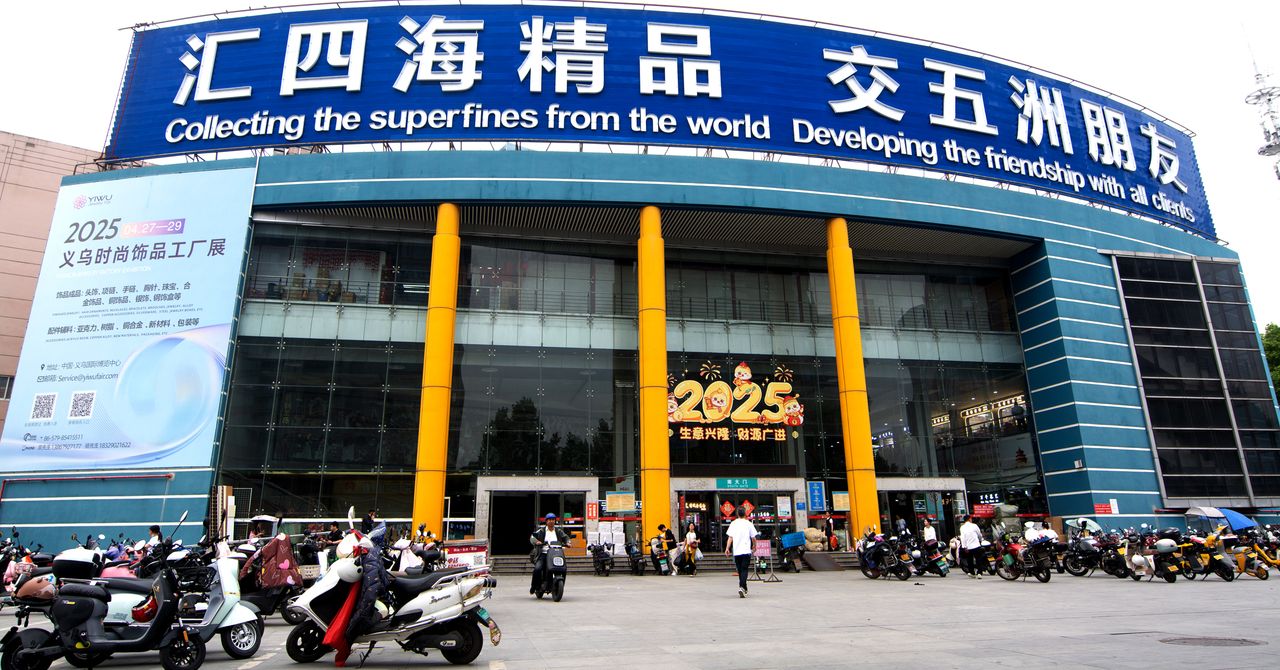
With American demand in flux, many operators in Yiwu, the hub of Christmas goods, are exploring new markets in Europe, Latin America, and Russia. Changes even extend to modifying Santa’s look to suit regional tastes. Magnus Marsden, an academic specializing in Yiwu's trade, stresses the importance of keeping production continuous to retain crucial workers from rural China.
Few businesses remain untouched by the tariff upheaval, and nearly all are strategizing for potential long-term impact. Paul Brown, an operations manager, notes that while this year's rates are tariff-free, future costs in 2026 could be a greater concern.
Debi Thomas, a veteran retailer from Los Angeles, still has stock from previous years but anticipates price hikes on new imports. Her reliance on handmade goods from nations like the Philippines is now more costly due to tariffs on broader imports. Waiting for relief, Thomas sums up the sentiment felt across the industry: 'Each day we hope for a breakthrough; for clarity to prevail.'
Leave a Reply