


China Unveils Employment and Export Support Amid Rising U.S. Trade Tensions
BEIJING — On Monday, top Chinese officials presented strategies aimed at safeguarding employment and bolstering exporters as they signaled the potential for additional economic stimulus in response to escalating trade tensions with the United States.
Amid a rapidly intensifying trade conflict, tariffs between the U.S. and China have surged past 100%. This situation has prompted some companies to instruct workers not to return to the workplace. While China's economy grapples with challenges like sluggish consumer spending and a downturn in real estate, exports have remained a singular bright spot.
Analysts from Goldman Sachs noted in a Sunday report that maintaining stability in the labor market is crucial for Chinese authorities, as it is directly tied to social stability and the revival of consumption. They approximate that products destined for the U.S. market necessitate around 16 million jobs within China.
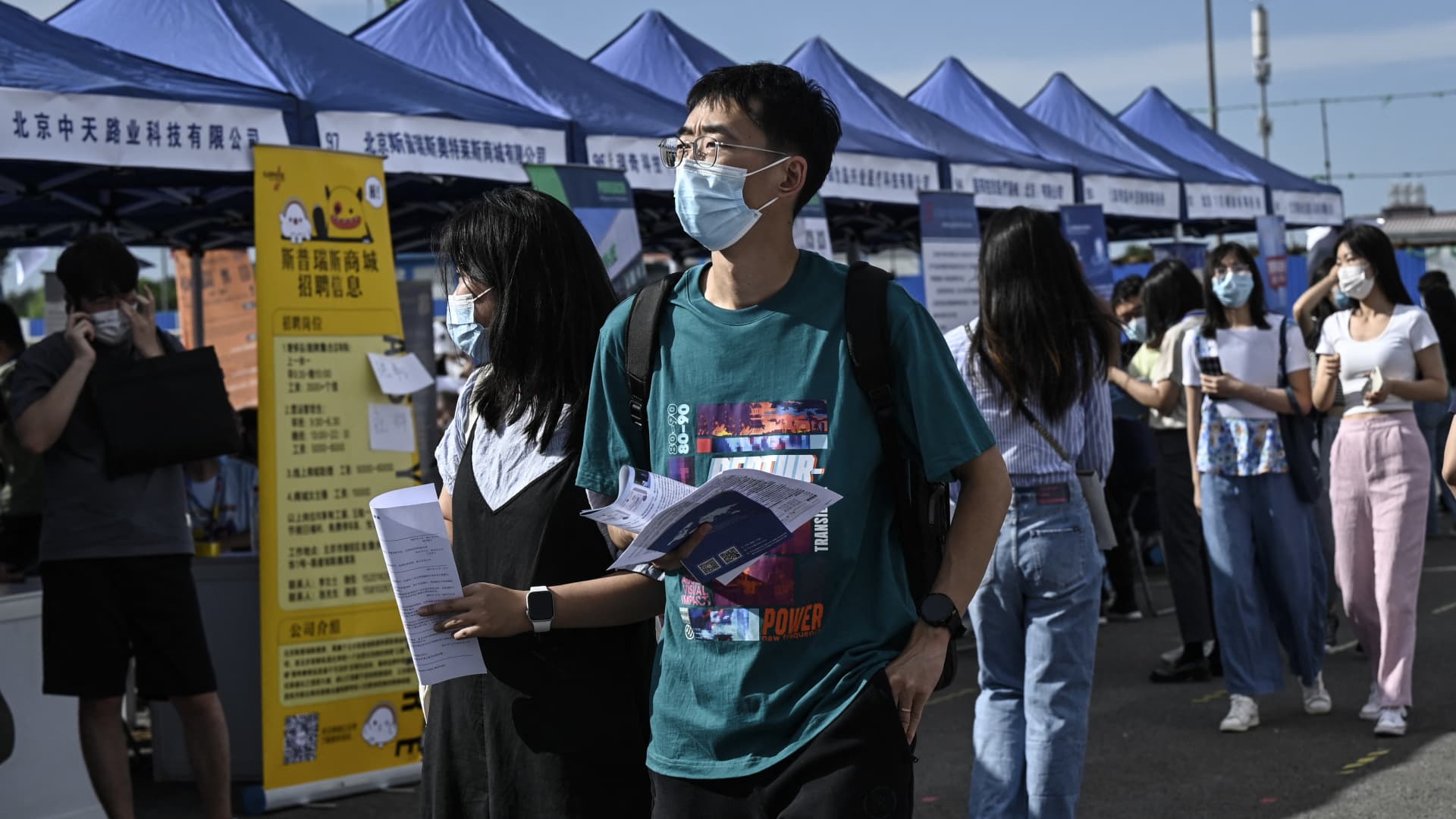
During Monday’s briefing, officials recognized the repercussions of trade disputes on employment within exporting enterprises. Despite China's recurring emphasis on prioritizing consumption this year, the press event laid significant emphasis on initiatives aimed at securing employment.
The briefing followed Friday's announcement by the Ministry of Human Resources, although no specific figures were provided. Discussions on Monday centered around boosting entrepreneurship, enhancing vocational training, and ensuring fairer compensation in sectors identified as high-demand.
"We will ensure financial backing to give exporters more confidence in securing orders," voiced Sheng Qiuping, the vice minister of commerce, as relayed by a translation from CNBC.
Recent initiatives, coordinated with the National Development and Reform Commission, have been introduced to aid exporters in shifting some of their focus to the domestic market, alongside measures to mitigate costs like rental expenses.
Sheng was in conversation with senior representatives from the economic planning divisions, central bank, and human resources sector.
Anticipated Further Support
Monday’s official statements came in the wake of a significant Politburo meeting on Friday, which underlined the need for potential interest rate reductions by the central bank, if warranted.
Zhao Chenxin, Deputy Head of the economic planning agency, expressed confidence in reaching the year's growth objective of approximately 5%. He outlined impending measures, including policies to stimulate consumption and the inauguration of a national-level technology development fund by late June.
Despite the gradual increase in economic aid since the end of September, the measures have yet to culminate in the extensive stimulus package anticipated by many investors. Nonetheless, China's GDP posted an unexpected rise of 5.4% year-on-year for the first quarter.
"We believe policymakers are exercising caution, awaiting clearer insights into the tariff repercussions before committing to a broader stimulus," noted Louise Loo, lead economist at Oxford Economics. The likelihood of a significantly slower GDP growth rate in Q2 is high, driven by an anticipated decline in exports overpowering the momentum instilled by investment boosts.
Leave a Reply