


The Art of Not Campaigning in Papal Elections
Significant gatherings of church leaders are commencing this week, where serious contenders will subtly position themselves for the role of guiding the Catholic Church.
Back in March 2013, a pivotal moment unfolded when Cardinal Jorge Mario Bergoglio from Argentina captivated a Vatican meeting with a brief, poignant speech. His vision advocated for a church that moves beyond its internal comfort zones and habitual introspection.
Shortly after, the conclave convened in the Sistine Chapel, and he was chosen to steer the church forward, becoming Pope Francis.
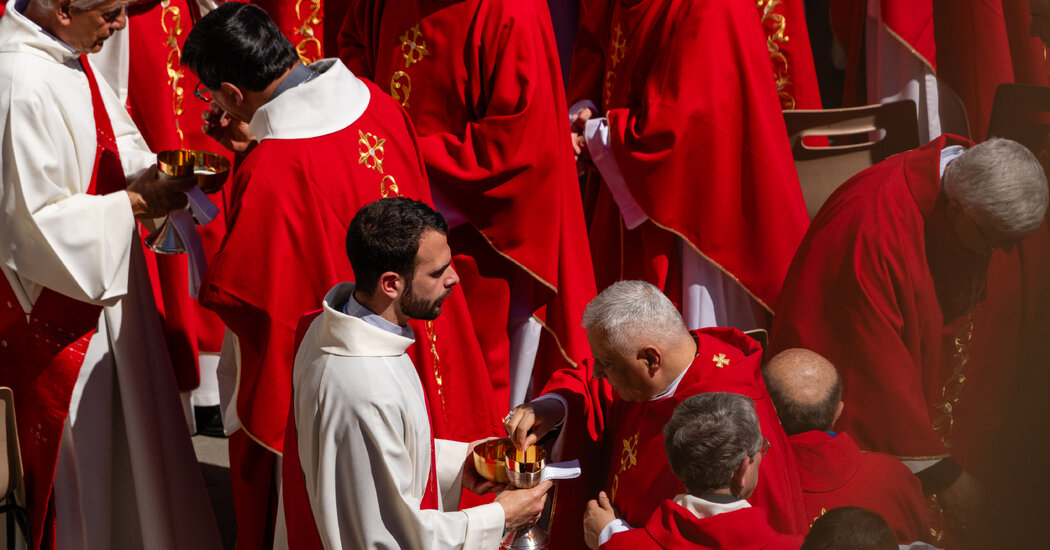
As throngs gathered for Francis’ funeral, a week packed with essential discussions begins, where cardinals, including notable contenders, will address looming issues facing the church. These meetings serve as an unofficial campaign platform preceding next month's conclave.
These sessions allow cardinals, particularly those eligible to vote, to assess each other's priorities, strategies, and charisma. Known as general congregations, these gatherings can elevate or extinguish a contender's prospects. A fundamental principle of the papal selection process is the prohibition of overt campaigning. Candidates must exude humility and avoid blatant self-promotion.
There is a saying among Vatican observers: 'The one who enters a conclave as pope often emerges as a cardinal.'
However, exceptions exist. In 2005, Cardinal Joseph Ratzinger entered the conclave following a powerful eulogy for Pope John Paul II, condemning what he called 'a dictatorship of relativism.' He subsequently emerged as Pope Benedict XVI.
Leave a Reply