


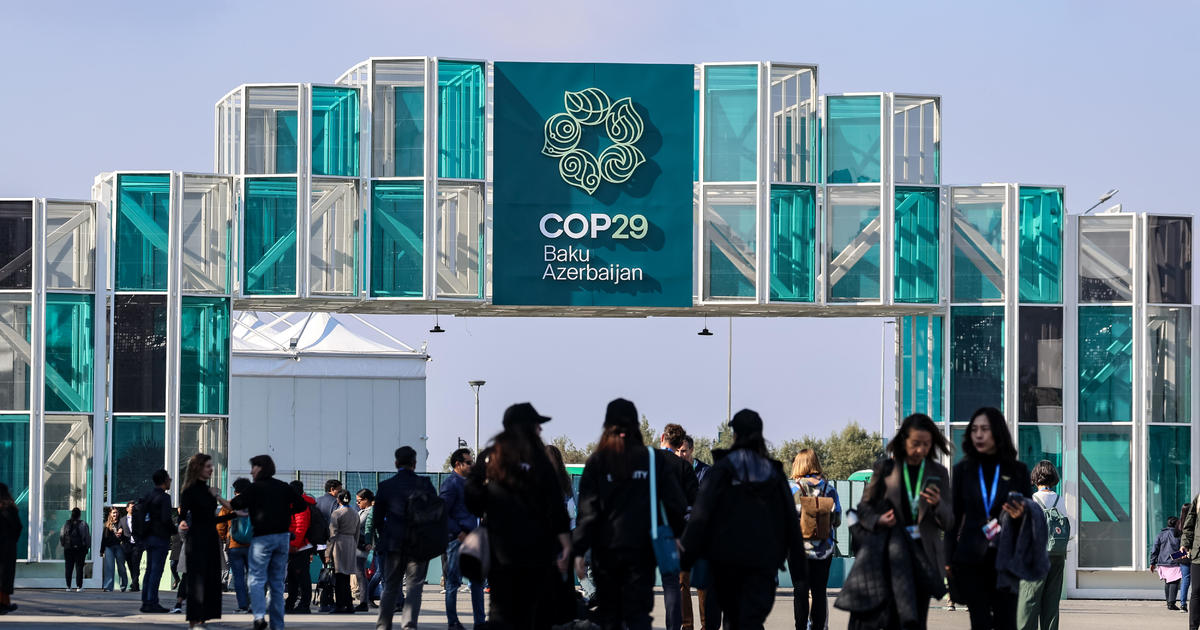
COP29 Begins: Is This the U.S.'s Final Act?
As representatives from nearly 200 nations congregate to tackle climate issues, an atmosphere of uncertainty looms over the United States' future climate commitments due to political changes.
Former President Trump may seek to retract the United States' participation in key climate pacts like the Paris Agreement if re-elected. Initially signed to curb global warming to below 1.5 degrees Celsius, the U.S. exited the deal during Trump's first term, only to reenter under President Biden.
Understanding COP29
The 29th annual United Nations Climate Change Conference, held in Baku, aims to review global efforts to reduce emissions. Each country pledges its own reduction targets, contributing to the overall climate goal.
However, despite these commitments, global progress remains insufficient. Without significant shifts in policy and action, temperatures might rise beyond safe limits, drastically affecting global ecosystems and economies.
Who is Attending COP29?
This year, President Biden's delegation includes key figures such as John Podesta, Jennifer Granholm, Tom Vilsack, and Ali Zaidi. However, some leaders have decided against attending, highlighting logistical and political reasons, including diplomatic tensions and economic dependencies.
Larger attendance is anticipated at COP30 in Brazil, a country demonstrating renewed commitment towards climate initiatives.
Impact of Potential U.S. Policy Shift
Experts indicate that withdrawal from international climate agreements could undermine U.S.'s position in global dialogues and might influence other major emitters like China to scale back their efforts.
States, cities, and corporations have shown resilience, often spearheading localized climate initiatives independently of federal direction. Even with federal withdrawal, local governments can maintain or enhance their climate actions.
Global climate commitments from other countries are expected to persist, regardless of U.S. participation. Historically, even when the U.S. stepped back, no other nation followed suit.
Rejoining international climate frameworks remains possible for future U.S. administrations, potentially restoring its environmental leadership role.
Leave a Reply