


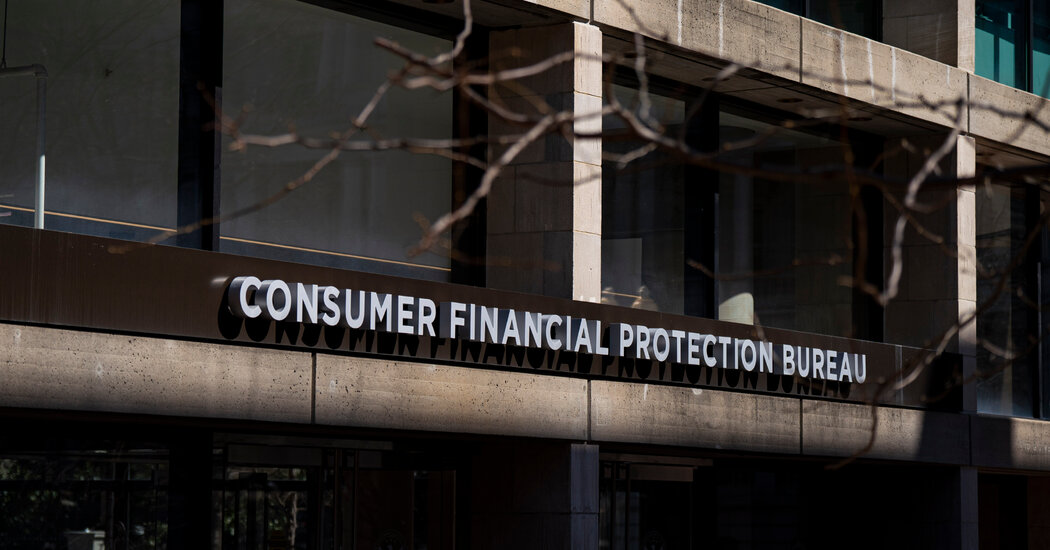
New Revelations on Efforts to Reduce Workforce at Consumer Protection Bureau
Internal communications and accounts from personnel at the Consumer Financial Protection Bureau reveal Trump administration strategies aimed at drastically reducing the bureau's staff by 90 percent.
A couple of weeks back, a decision by a three-judge panel from the federal appeals court in Washington D.C. lifted restrictions that had previously halted employee terminations at the Consumer Financial Protection Bureau. The court allowed dismissals, provided agency leaders determined after a thorough evaluation that the roles were redundant in fulfilling the bureau's mandated duties.
In a hasty reaction, officials from the Trump administration, in collaboration with partners in the Department of Government Efficiency, moved quickly to initiate the dismissal of nearly the entire agency's workforce. By the next week, the agency announced its decision to let go of almost 1,500 employees, keeping only about 200, with a directive to cut off fired employees’ system access the subsequent day.
While a judge temporarily halted these plans, details emerging about these events, integral to the bureau's supervision of financial institutions, are essential for determining the future scope of the layoffs. An array of newly available documents, along with employee affidavits, are being reviewed prior to an upcoming hearing overseen by Judge Amy Berman Jackson at the Federal District Court in Washington.
The very next day following the distribution of layoff notices, Judge Jackson paused the process, noting that it exceeded the constraints set by the appeals court. Testimonies will be collected during a two-day court session next week to evaluate extending the suspension of these terminations.
Since February, when Trump administration officials began reshaping the agency, the Consumer Bureau has faced attempted reduction efforts. Although Congress established the bureau in 2011 to tighten regulations around mortgages and financial products, only congressional action can ultimately dismantle it.
Mark Paoletta, the bureau's top legal advisor and architect of the layoff scheme, defended these actions in a court document, arguing that they were necessary to efficiently streamline an agency perceived as resource-laden. Similarly, Russell Vought, acting director and head of the White House budget office, has criticized the bureau as being disproportionately partisan and adversarial.
Leave a Reply