


Reviving the Lost Kingdom of Kaabu Through Music and Archaeology
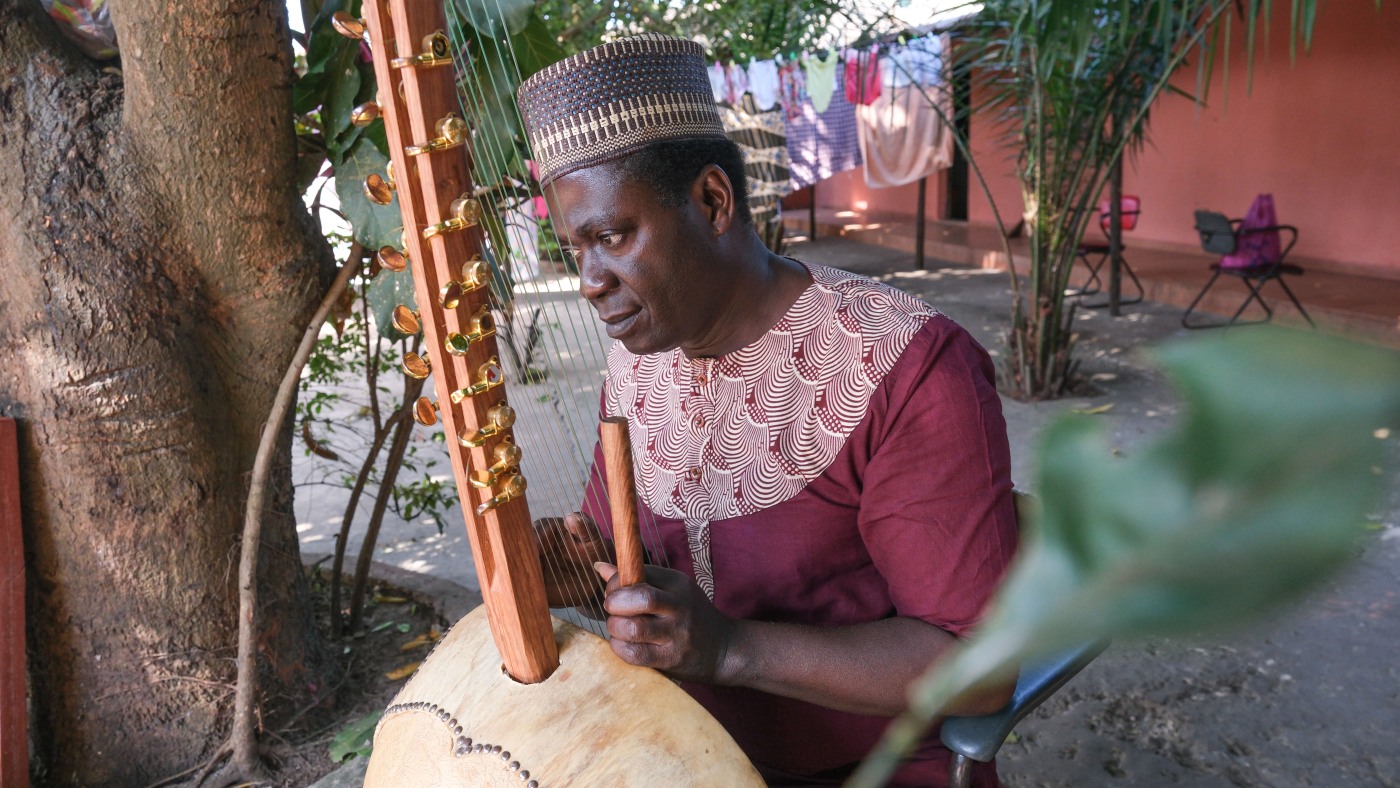
Nino Galissa, a griot from Guinea-Bissau, is crafting melodies about the recent dig aimed at uncovering Kansala, the mythical capital of the once-powerful Kaabu kingdom in West Africa.
The Role of Griots
Griots serve as the cultural memory of West Africa, weaving sagas of history and legend into songs that thrive across generations. However, the name 'griot' may owe its origin to colonial influences, possibly derived from the Portuguese word for 'creator.'
In modern culture, griots and their tales have even appeared in cinema, suggesting their narrative power can be healing or disruptive.
The Kingdom of Kaabu
Established in the 1500s and influential until the 1800s, Kaabu extended over present-day Guinea-Bissau and Senegal. Though Europeans had trading connections, they seemingly never set foot in this African Camelot.
The Capital: Kansala
Guided by local lore, archaeologists embarked on an excavation in Guinea-Bissau, unearthing long-buried relics of Kansala. It was long thought to have been razed when a king, facing imminent invasion, ignited the gunpowder stores during a late-19th-century assault.
Discovered ruins included remnants of fortifications and trade remnants, validating narratives once deemed fantastical.
The Griot's Perspective
For Galissa, a grio linked to Kaabu's first story-singers, the archaeological findings affirm his community's rich and storied heritage. As a living chronicle, his songs honor and perpetuate the identity and tales of Kaabu.
Community Engagement
Archaeologist Sirio Canós-Donnay emphasizes local involvement in the excavation process, underscoring a mutual respect and reinvigoration of a shared past. The project's revelations are not just static findings but a dynamic part of living history.
Preserving History Through Music
Post-excavation, Galissa was invited to encapsulate the discoveries in song, intertwining documented history with oral tradition. Through his art, Galissa hopes to convey both the pride and the profundity of the griots' role as historians.
Antonio Queba Banjai, a descendant of Kaabu's last emperor, celebrates these songs which now flesh out vivid mental tableaux, affirming their ancestral roots and heritage in the hearts of contemporary descendants.
This initiative sheds light on the necessity of reclaiming historical narratives within Africa, ensuring stories are told by those who own them, harmonizing past, present, and future within the rhythm of a griot's song.
Leave a Reply