


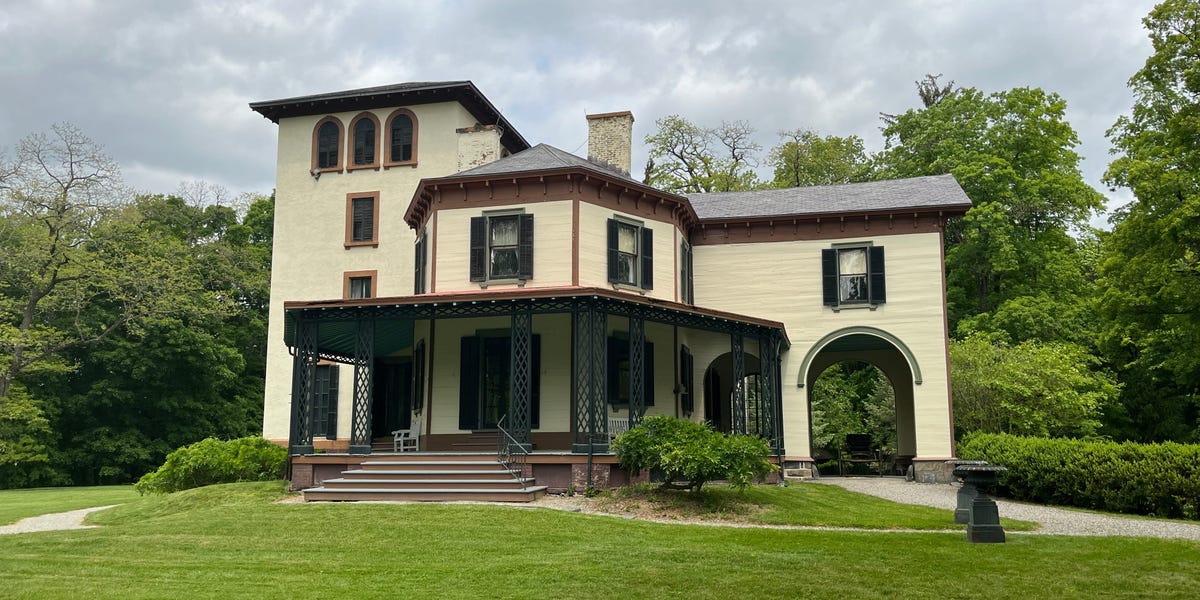
Explore the Former Home of Morse Code's Inventor: A 45-Room Estate
When Samuel F. B. Morse wasn’t busy revolutionizing communication with Morse code or the telegraph, he sought peace at his countryside retreat, Locust Grove, in New York.
Nestled 80 miles from New York City in Poughkeepsie, this villa-style estate stands majestically on a hill overlooking the Hudson River. Built in 1852, the sprawling residence encompasses 14,000 square feet and features 45 rooms spread over six floors.
Morse, alongside his spouse Sarah Elizabeth Griswold Morse and their children, relished summers at this estate until his passing in 1872. He also had three adult children from his first marriage to Lucretia Walker.
A New Era with the Young Family
Subsequent to Morse's era, the property transitioned into the hands of William and Martha Young in 1901, who opted to acquire it after leasing. They invested around $15,000, integrating updates such as electricity and central heating into the historic mansion.
The foresight of their daughter Annette led to the establishment of a foundation aimed at preserving the estate's historical essence. By 1979, Locust Grove was ready to narrate its stories to the public.
Visiting Locust Grove Today
Open throughout the year, the estate welcomes history and architecture enthusiasts with guided home tours taking place Friday through Monday, April to December, for a fee of $20.
According to Ken Snodgrass, Locust Grove's director and curator, the house is a rare testament to historical preservation, offering a true-to-origin glimpse into its past.
Immersing into Locust Grove’s Grandeur
The sprawling estate covers 200 acres, inviting visitors to stroll through its fragrant gardens before stepping into the home. Despite a modest exterior, the interiors of Locust Grove are expansive and intricately designed.
Samuel Morse collaborated with architect Alexander Jackson Davis, employing an Italianate design reminiscent of classic Italian villas, complete with sweeping verandas and ornate arches.
A Walk Through Time Inside Locust Grove
Entering the house via its historic entryway, guests are transported through spaces that whisper tales from the past. The dining room, adorned with family portraits, leads to a functional pantry where meals journeyed from the basement kitchen via a dumbwaiter.
The drawing room, known for hosting lively discussions and musical evenings, flaunts versatility with its easily reconfigurable furniture. Afternoon teas were a staple in the tea room, served ceremoniously on a silver set by Tiffany and Co.
Reflecting on Leisure and Culture
In the music room, the walls echo stories of past recitals while showcasing wallpapers preserved since 1908. Additionally, a receiving room provided a cozy environment for family gatherings and Martha Young's weekly card games.
The library, designed in Italian Gothic style, houses an impressive collection of teapots, offering a picturesque setting for quiet reflection or study.
Exploring the Upper Floors
On the second floor, mixed family and guest accommodations feature artefacts such as a dollhouse made for Annette Young. The main tower bedroom, a highlight of aesthetic and luxury, provides sweeping views of the river.
Visitors might be struck by the grandeur of the billiards room, historically a hub of entertainment with its legendary pool table and phonograph.
Witnessing the Historic Functionality
Concluding the tour, the spacious kitchen reveals historical layers from wood-burning to coal and gas stove progressions. Meanwhile, the bustling energy of staff was palpable in spaces like the laundry and servant quarters, reflecting the day-to-day operations of such an estate.
Adjacent to this, the servants’ quarters buzzed with fulfilling duties, whether writing, mending, or relaxation.
Preserving Inventions and Art
A museum and gallery within the visitor center encapsulate the historical significance of Locust Grove, displaying both Morse's indispensable innovations and his artistic pursuits.
Locust Grove stands not only as a bastion of family enjoyment but also as a testament to historical conservation, inviting reflection on how past lives intertwine with present cultural legacies.
Leave a Reply