


Robotic Warfare: The Future of Military Defense
As adversary drones continue to pose significant threats to US military forces overseas, the Pentagon is exploring all feasible defense options. One promising solution is adapting traditional firearms through cutting-edge technology to combat these aerial menaces.
Unveiling the 'Bullfrog': A Technological Leap in Weaponry
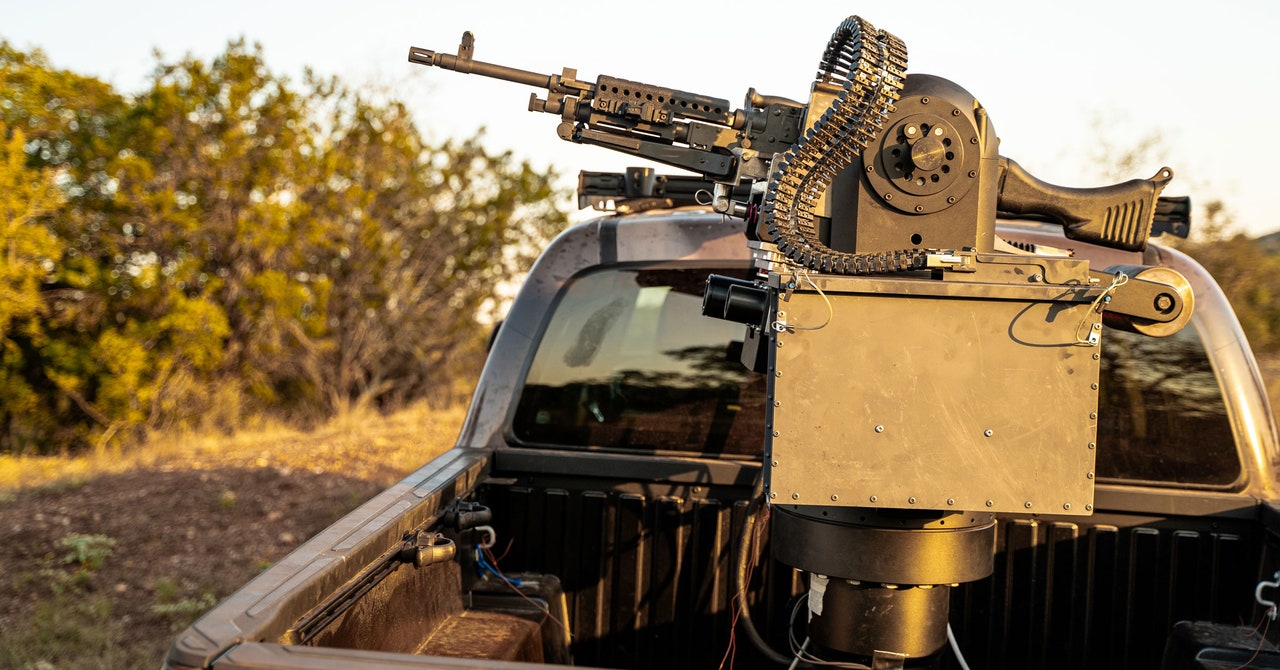
At a notable event, the AI-enabled Bullfrog machine gun system was put through its paces. Created by Allen Control Systems, this futuristic piece of equipment transforms a conventional 7.62-mm M240 gun into a drone's worst nightmare, using sophisticated computer vision and artificial intelligence to achieve accuracy and effectiveness that exceed human capabilities.
Precision Engineering for Modern Combat
The Bullfrog marries AI with a rotating turret fitted with an electro-optical sensor, allowing precise targeting of drones far beyond the capabilities of typical infantry weapons. Demonstrations showed the system adeptly locking onto and eliminating drones with a few expertly placed rounds, proving its potential as an invaluable asset.
Pentagon's Considerations and Defense Implications
Bullfrog's performance has sparked interest within the Department of Defense, with officials noting its cost-effectiveness and adaptability in battlefield scenarios. If adopted, it could become the first autonomous lethal system in the US military, raising considerations about the integration of such technologies into warfare.
Challenges of Utilizing AI in Firearms
When it comes to targeting fast-moving drones, traditional methods struggle. This has led to the development of new solutions like rifle-mounted jammers and smart optics, but the Bullfrog's unique integration of robotics and AI offers a fundamentally different approach. Through removing human error from the equation, it provides precise control even during the chaos of battle.
Future Potential and Ethical Considerations
While current Pentagon policies require human oversight in the kill chain, ACS suggests their system could operate autonomously if needed, presenting both advanced tactical possibilities and ethical debates over automated warfare.
Strategic Development in Autonomous Defense
Looking ahead, ACS envisions deploying coordinated Bullfrog systems, capable of collaborative defense, across multiple vehicles. This approach would enhance operational capabilities and streamline military logistics through next-generation AI models.
As advancements in AI continue, the military landscape is poised for transformation. Autonomous systems like the Bullfrog represent the forefront of technological evolution in warfare, underscoring the dynamic shift towards automated and highly efficient combat solutions.
Leave a Reply