


Australia's New Stance on International Student Admissions
As the upcoming election looms, both major Australian political parties are proposing significant reductions in the intake of international students as a strategic move to help stabilize soaring house prices.
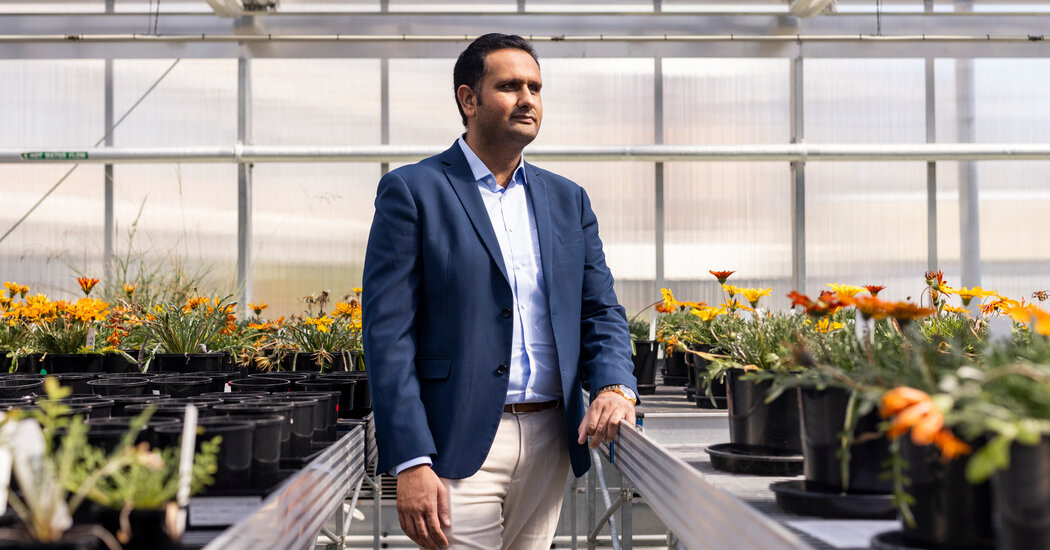
Ali Bajwa, originally from Pakistan, chose Australia for his doctoral studies in agricultural science, attracted by the country's cutting-edge research and welcoming attitude toward foreign students. Over a decade ago, he moved to Australia, settling in Wagga Wagga with his family. All now Australian citizens, they initially built their lives and careers there. Bajwa has since transitioned to a teaching role at La Trobe University in Melbourne and is now a homeowner.
However, those aspiring to follow Bajwa’s academic journey might face a different reality. Policymakers are now considering international student caps as a means to address the country's housing crisis, which is a central issue in the upcoming elections. The rationale is that reducing student numbers will decrease the demand for rental properties and entry-level homes, thereby potentially moderating price increases. This marks a considerable shift for Australia, which, while predominantly mining-dependent, has previously considered international education a substantial economic sector, vying for students globally against nations like the United States, Britain, and Canada.
Bajwa, 35, expressed that, "We benefit greatly from our international students." He suggested that enhancing selection criteria would be more beneficial than broadly limiting student numbers.
Although an attempt by Prime Minister Anthony Albanese's government to legislate student numbers faltered, they have increased visa fees and slowed processing times, effectively curtailing international student arrivals. Opposition leader Peter Dutton proposes more stringent restrictions, aiming to cut student intake by 30,000, capping arrivals at 240,000 annually, and potentially increasing maximum visa fees to AU$5,000 (about US$3,200).
The COVID-19 pandemic saw tight border restrictions block many international students. Nonetheless, Australia later made efforts to attract them back, temporarily lifting work limitations and refunding visa fees. This led to a substantial influx of students in 2023 and 2024, with overall international student numbers exceeding one million for the first time.
Leave a Reply