


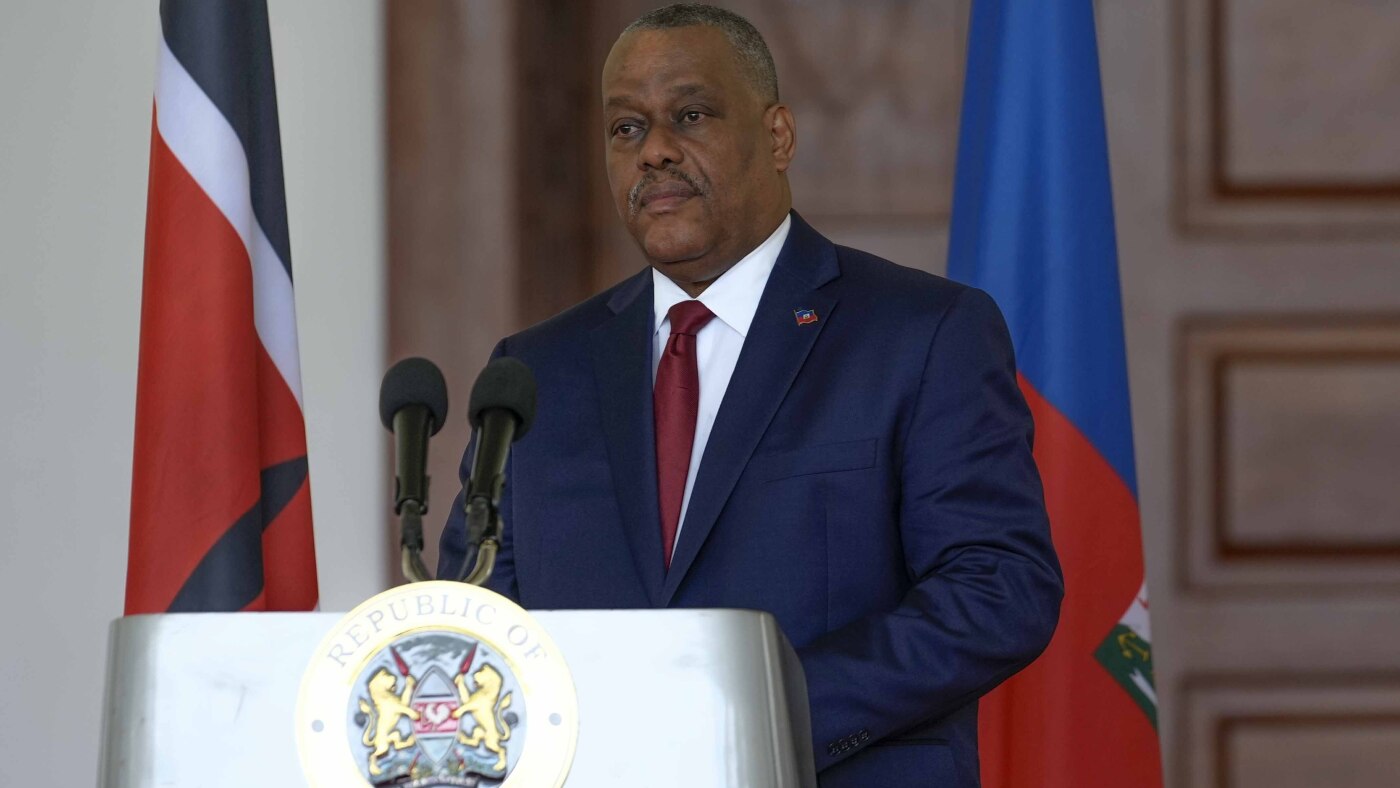
Haiti Appoints New Prime Minister Amid Continuing Political Unrest
In an ongoing effort to restore stability, Haiti has replaced its interim Prime Minister Garry Conille with Alix Didier Fils-Aimé. This shift is part of the turbulent transition towards reestablishing a democratic government in the country.
Haiti's transitional council, designed to guide the nation back to democracy, signed the decree this past Sunday. The document, which is set for publication on Monday, was leaked to the media by insiders within the government. This decision adds another layer of complexity to Haiti's already fraught transition, which has been marred by violent gang activity that has prevented elections from taking place in recent years.
Alix Didier Fils-Aimé, a seasoned businessman who led the nation's Chamber of Commerce and Industry, is no stranger to public service aspirations, having sought a Senate seat in 2015. With a background that includes education from Boston University, he was previously under consideration for this government role before it was filled by Conille.
Conille, who has served in various capacities with the United Nations, held the prime ministerial position for a mere half-year before this recent development.
Efforts to resolve the nation's political disputes have been ongoing since the transitional presidential council's formation in April. Tasked with appointing the next prime minister and forming a cabinet, the council's effectiveness has been hindered by internal disagreements and political challenges.
Attempts by international bodies, including the Organization of American States, to mediate these tensions have fallen short, as noted by The Miami Herald.
Compounding the council's struggles, a controversy erupted in October when some council members were implicated in a bribery scandal. Accusations from anti-corruption investigators alleged that these members solicited substantial bribes to secure positions for others within the government structure.
This scandal further damaged the credibility of the council, which only complicates Haiti's path to a democratic state.
Despite the serious nature of these allegations, implicated members, including Smith Augustin, Emmanuel Vertilaire, and Louis Gérald Gilles, proceeded to endorse Conille's removal. Edgard Leblanc Fils was the sole dissenter in opposing the decree.
The decision to oust Conille has been criticized within Haiti. Bernard Gousse, a former Minister of Justice, condemned the move as overstepping the council’s boundaries, especially in light of the existing corruption accusations.
Leave a Reply