


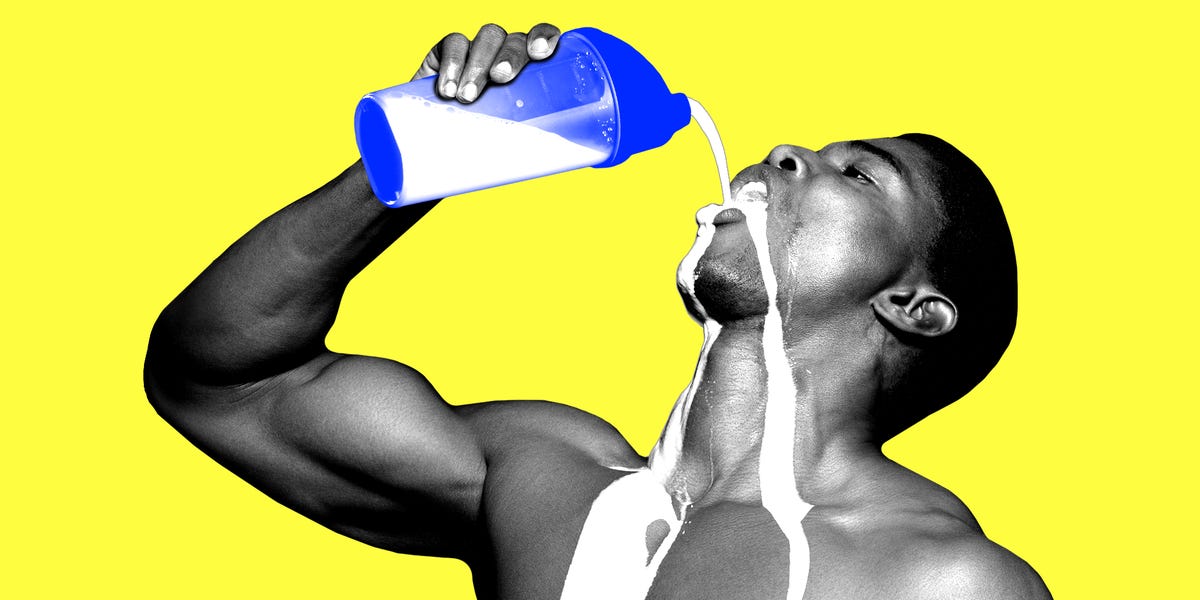
Rethinking Our Protein Fixation: The Balance for Optimal Health
In contemporary American circles, protein is a ubiquitous presence. From trendy protein-infused waters and high-protein variants of beer to cereals, pastas, pizzas, and even the new Khloé Kardashian protein popcorn creation, consuming protein has become fashionable.
Our enthusiasm for increasing protein intake to lose weight, bolster muscle growth, and extend our lifespan is substantial. Yet, nutrition specialists urge us to consider other vital nutrients. When consumed excessively, protein can potentially edge out essential vitamins and fibers critical for muscle enhancement.
Dr. Tim Spector, a leading voice in nutrition, advocates for a shift towards more fiber and reduced processed food intake instead of an exclusive protein focus. 'It's like a faith to some,' Spector stated, observing the intense reactions to his perspective.
The Necessity of Protein
Adequate protein consumption supports overall health. It underpins the construction and repair of bodily tissues like muscles, skin, hair, and nails, while also sustaining energy levels and immune functions over time.
According to Daniel Moore, a muscle physiology professor, proteins supply essential amino acids not naturally synthesized in the body. They also aid in weight loss by promoting fullness and improving metabolic functions.
Finding Your Protein Balance
For the average adult, the daily recommendation stands at 0.36 grams of protein for each pound of body weight, roughly 65 grams for someone weighing 180 pounds. Achieving this can be as simple as savoring a mix of Greek yogurt with walnuts at breakfast, a tuna sandwich for lunch, and a cheese string or hummus with veggies snack.
However, achieving fitness goals like muscle growth or athletic performance demands a higher intake, around 0.7 to 0.8 grams per pound.
The Problem with Excess Protein
Surpassing the recommended protein amount is typically harmless, but one should be mindful since the body doesn't store protein. Excess protein is eventually expelled in urine, and prioritizing protein might omit necessary nutrients.
Carbohydrates often get sidelined due to high protein diets, despite their crucial role in providing energy for muscle function, especially for athletes.
A Comprehensive Diet Plan
Diet must balance other nutrition: fiber for digestion, vitamins for immunity, and healthy fats. Failing to do so can lead to intestinal issues related to insufficient fiber consumption, a widespread problem among adults.
Kristin Draayer, a nutrition expert, points out that focusing excessively on one nutrient might transform eating from being a natural and pleasant activity into a calculated regimen.
Foods and Their Evolution
Over time, despite fluctuating dietary advice concerning fats and carbs, the inclusion of protein remains unchallenged. Misjudgments about fats entwined with obesity once flooded the market with low-fat offerings. Conversely, carbohydrates took a hit in more recent years.
For food corporations, protein's stable reputation allows them to capitalize by adding protein isolates to various packaged goods, making them appear healthy by association.
Guidelines for Balancing Protein
Here are a few pointers to meet protein needs without neglecting other nutrients: Include foods like quinoa, chicken with greens, or tuna on whole wheat to bolster both fiber and protein intake.
Minimize reliance on processed products. Natural protein sources like fish, dairy, and lean meats provide comprehensive nutrient profiles.
Distribute protein consumption evenly through the day to support continuous energy and recovery processes.
Leave a Reply