


Luigi Mangione Case Highlights Political Shifts in U.S. Death Penalty Policy
The Impact of the Trump Administration's Policies on Luigi Mangione's Prosecution
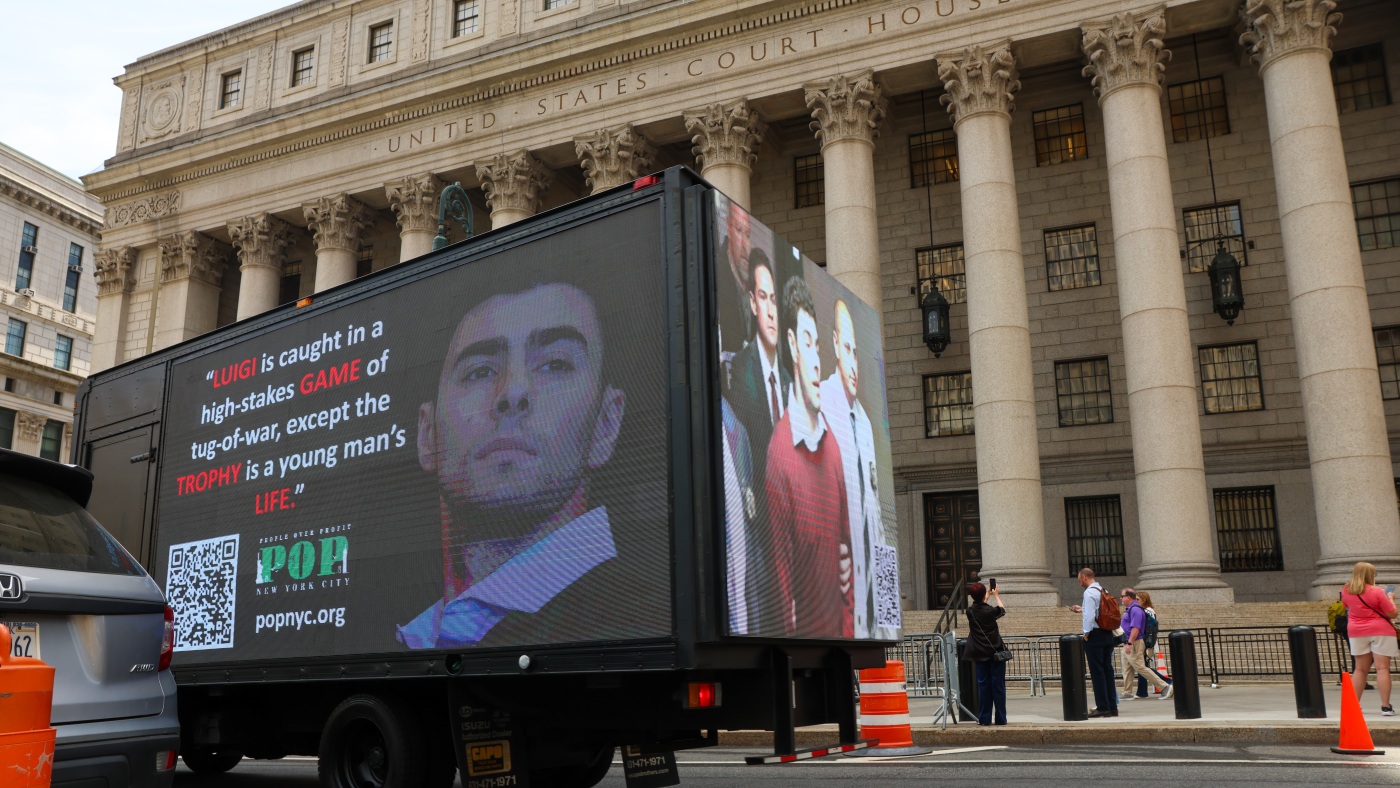
On April 25, 2025, a truck displayed images of Luigi Mangione in New York City as he prepared to face charges of allegedly murdering the CEO of UnitedHealthcare the previous year.
At just 26 years old, Mangione had his first court appearance in federal court facing accusations of committing the murder of Brian Thompson, the former head of UnitedHealthcare.
Federal prosecutors have officially notified the court of their intention to seek the death penalty against Mangione, who has entered a plea of not guilty.
In a surprising move, U.S. Attorney General Pam Bondi had already directed federal prosecutors to pursue the death penalty, signaling a significant shift under the Trump administration's policies.
This marks the first instance where the Justice Department is aligning a death penalty case with President Trump’s renewed focus on federal executions as part of his initial agenda to enforce capital punishment for severe crimes.
Legal and Political Ramifications
"The calculated assassination of Brian Thompson, an innocent father, by Mangione has prompted a call for the ultimate punishment," Bondi voiced, reinforcing the administration's tough stance against violent criminal acts as part of making America safe.
Mangione's defense team has contested the federal prosecutors' pursuit of the death penalty, arguing that Bondi's public announcements before Mangione’s indictment were politically motivated and violated established Justice Department protocols.
The defense contends that these actions have already compromised Mangione's rights and the fairness of the grand jury process, urging the court to restrict Bondi from further public comments that might affect the trial's fairness.
Reactions and Reflections on Capital Punishment
Robin Maher of the Death Penalty Information Center observed that Bondi’s early statements and the political connotations associated with them suggest a strategic use of the death penalty for political ends.
Although the organization does not officially oppose the death penalty, it raises concerns over its application in certain scenarios.
Federal prosecutors declined to comment on the perception that the Mangione case is politically charged. They maintain that challenges to the death penalty were premature prior to issuing an indictment.
The Evolving Landscape of Death Penalty Politics
For over fifty years, shifts in the political climate have influenced the U.S. approach to the federal death penalty, with varied positions taken by the Supreme Court, Congress, and the presidency.
A landmark 1972 Supreme Court decision deemed the death penalty unconstitutional, critiquing its inconsistent and discriminatory application, which was found to constitute cruel and unusual punishment.
Later, President Ronald Reagan's administration expanded the federal death penalty to drug-related murders, a change codified by the Anti-Drug Abuse Act of 1988 during his 'war on drugs.'
Subsequent to this, the Federal Death Penalty Act of 1994 further increased the number of offenses eligible for capital punishment.
Timothy McVeigh's execution in 2001 marked a significant moment, being the first federal death row execution in almost four decades.
Though the 1994 law remains in place, presidential administrations have applied it with varying emphasis.
For nearly two decades, criticism centered on racial biases in the federal death penalty led to calls for reform.
Public opinion on the death penalty has fluctuated, with 53% expressing support for it in murder convictions by October 2024, the lowest since the pivotal 1972 decision.
State-Level Execution Practices
President Trump’s directives have also shifted focus towards state executions, encouraging local prosecutors to pursue capital charges and offering federal assistance in obtaining lethal injection drugs.
In South Carolina, Prosecutor David Pascoe supports federal aid, which could ensure executions proceed, despite previous delays caused by shortages of execution drugs.
Due to difficulties in sourcing drugs, a 2021 state law now permits execution by firing squad, addressing concerns over botched lethal injections.
Although Trump’s policies might bolster state prosecutions, Pascoe noted that actual increases in death sentences remain uncertain, though federal support is welcomed.
Leave a Reply