


Federal Commitment to Women's Health Research Renewed
Following significant outcry from scientists and medical experts, the administration under President Trump has vowed to reinstate financial support for a pivotal study. This decision came mere days after the researchers in charge revealed that their funding had been abruptly withdrawn.
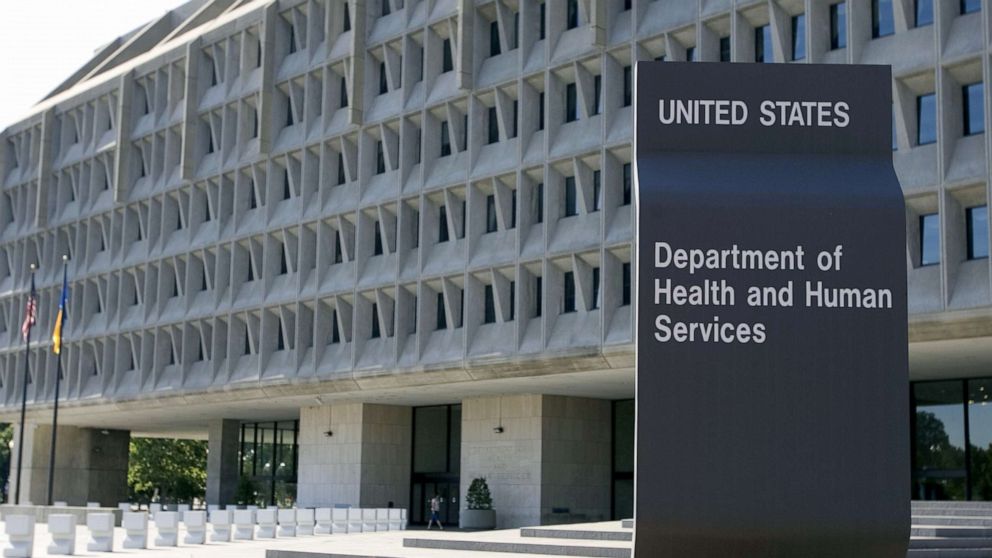
The U.S. Department of Health and Human Services (HHS) announced that the Women's Health Initiative (WHI), a comprehensive 30-year research project involving over 160,000 female participants, would have its funding resumed. This study has been crucial in unearthing insights into a range of women's health issues, from cancer prevention and hormone treatments to chronic diseases, aging, and bone health.
HHS emphasized the importance of these research efforts, noting that although the National Institutes of Health (NIH) had initially implemented budget cuts beyond its original goals, restitution of funds was underway. The NIH is wholly dedicated to maintaining public health improvements through meticulous and exemplary research, ensuring the continued progress of this critical work.
Uncertain Future for Women's Health Initiative
The WHI research leaders divulged earlier in the week that HHS intended to terminate agreements for its four regional centers by the end of September, leaving the continuation of the clinical coordinating center's funding past January 2026 uncertain.
Garnet Anderson, Ph.D., heading the WHI's Clinical Coordinating Center in Seattle, expressed Friday that there was no formal assurance from NIH regarding the reinstatement of funds. Anderson raised concerns that restoring the WHI's funding might detract from other deserving research projects.
Anderson pointed out a lack of transparency in the decision-making process, casting doubt on whether investments were optimally allocated across the significant issues in public health and valuable scientific ventures.
Research Contributions Highlight Health Disparities
The WHI has generated substantial insights over decades, contributing to understanding chronic disease prevention, the slowing of cognitive decline, cancer prevention, and the implications of earlier life medical conditions on later health, according to Dr. JoAnn E. Manson, a longstanding WHI principal investigator.
Dr. Manson described the WHI as the most expansive and pioneering research on women's health. Its results have informed public and clinical health guidelines, offering vital information that impacts how doctors interact with patients and shape the trajectory of future women's health research.
With over 5,000 scientists involved, the WHI has been instrumental in mentoring a new wave of researchers who focus on promoting women's health and advancing aging studies, a role that could be severely hindered by funding cutbacks.
The Importance of WHI's Long-Term Data
Dr. Marian Neuhouser, a principal investigator with the WHI at the Fred Hutchinson Cancer Center, emphasized the crucial role of the study's regional centers in data collection. These centers manage extensive databases on older women, some over 90 years old.
The data gathered provides crucial insights into maintaining health and independence in older age, essential for clinicians in patient interactions. Neuhouser highlighted the committed participation of study volunteers who recognize the importance of their contributions.
Legacy of Historical Gender Disparities in Health Research
The prominence of the WHI is partially due to the historical exclusion of women from medical studies, a practice corrected only in the early 1990s with legislative reforms. Until then, research often overlooked the need to include women and minority groups.
The National Institutes of Health Revitalization Act of 1993, signed by President Clinton, mandated inclusivity in federally funded research, marking a significant shift that the WHI exemplifies with its comprehensive approach to women’s health research.
Leave a Reply