


The Complexity Behind Trump's Interest Rate Reduction Appeal
President Donald Trump is persistently urging the Federal Reserve to decrease interest rates. However, experts indicate that even if the Fed concedes, consumer borrowing costs may not necessarily decrease.
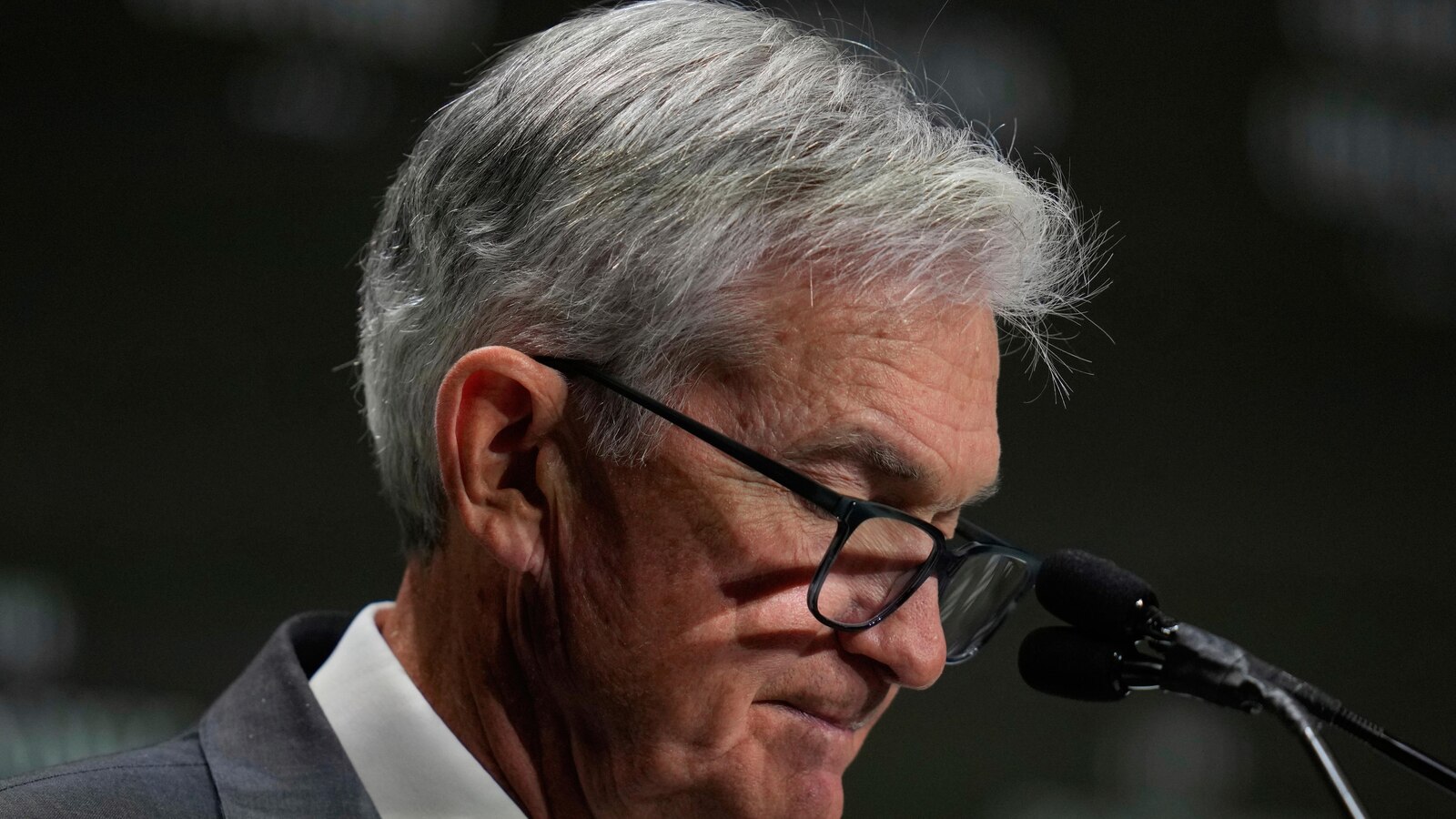
Economists warn that pressure on Fed Chair Jerome Powell and the institution could inadvertently maintain or even elevate the long-term interest rates that consumers face. A Federal Reserve perceived as less autonomous could provoke investor apprehension about inflation spikes, leading them to demand higher returns on Treasury securities.
Trump's focus is on reducing the central bank's short-term interest rate, which is generally adjusted based on economic conditions: lowered to stimulate borrowing and spending during downturns and raised to combat inflation during periods of rising prices.
Despite this, long-term rates, such as those affecting mortgages, auto loans, and credit cards, are driven largely by market dynamics. Recently, fears of inflation due to extensive tariffs and other government policies have pushed these long-term rates higher. The Fed's ability to counteract these trends through rate cuts alone is uncertain.
Economist Francesco Bianchi from Johns Hopkins University notes, “Cutting rates doesn’t automatically translate into reduced long-term interest rates, especially if markets doubt the Fed's control over inflation.”
On numerous occasions, Trump has criticized Powell for not lowering the Fed's rate, reiterating his viewpoint to the media.
Additionally, threats to Powell’s position were hinted at by Trump last week, though later statements suggested no such action was intended. These threats have unsettled Wall Street, emphasizing the importance of a politically-independent Fed for inflation management.
Lauren Goodwin, chief market strategist at New York Life Investments, emphasizes, “Threatening the Fed disturbs markets instead of calming them, often yielding the opposite outcome of elevated rates and economic instability.”
Over the past few months since trade tariffs were introduced, benchmark Treasury yields and related mortgage rates have tracked upward, following shifts in economic policy and the financial environment.
Though recent comments from Fed officials about potential rate cuts introduced temporary relief, longer-term interest rates and uncertainties continue due to complex economic dynamics.
Longer-term rates are shaped by various factors such as future economic growth expectations, inflation forecasts, and the demand and supply of government bonds. The ongoing budget deficits, fueled by extensive Treasury issuance, could further influence these rates.
Tom Porcelli, chief U.S. economist at PGIM Fixed Income, expresses concerns that the perception of Fed rate cuts driven by political pressure rather than economic need could compromise the institution’s credibility.
Addressing the nuanced challenge, it appears lowering long-term borrowing costs requires not just rate cuts, but a stable macroeconomic outlook, posing a complex hurdle for current U.S. economic policy.
Leave a Reply