


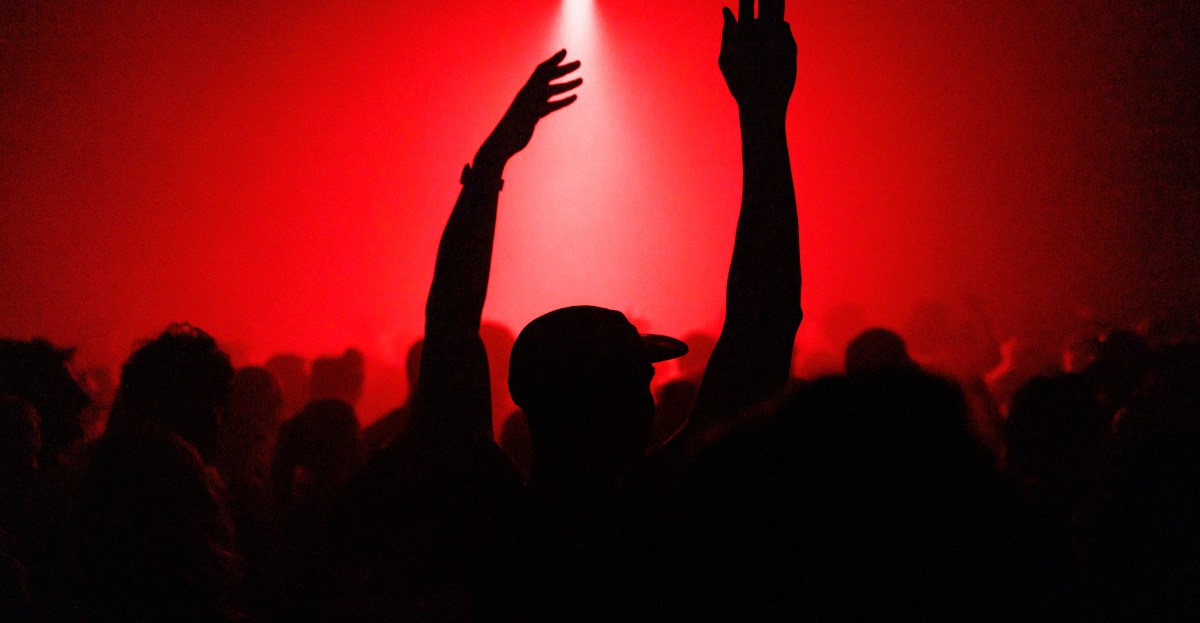
Why The Club's Dance Floors Seem Emptier Now
DJs, club managers, and regular party-goers are noticing an alarming trend: more standing and less dancing.
Clubs have traditionally been places where people gather to dance. Sure, other activities—meeting new people, enjoying drinks, or even having private conversations—can also occur, but none as effectively elsewhere. While it's possible to dance anywhere, nothing quite compares to the thrill of dancing to booming music in a club environment.
But what if people stop dancing altogether?
It seems that more club-goers are choosing not to dance, according to those deeply embedded in nightlife culture—from DJs to club owners to frequent patrons. Their worries spotlight a curious phenomenon: fewer people are dancing, which might change clubs from vibrant dance havens into just another spot where revelers only stand around.
The Divide: Dancers vs. Standers
At a glance, the clash appears generational, separating dancers from non-dancers. This raises multiple questions: Why have people stopped dancing? If they aren't moving to the rhythm, what is drawing them to the club? Who's overlooking the dance floor and whom should we hold accountable? Who's voicing these frustrations?
The bigger question is whether this is genuinely happening.
Analyzing the No-Dance Phenomenon
Complaints abound at clubs internationally: instead of dancing, people are often lounging about, engaging in conversation, or worst of all, glued to their phones, capturing selfies or scrolling idly.
Ru Bhatt, a veteran club DJ, laments this new phenomenon: "The most disheartening sight is someone consumed by social media, tapping away at Facebook or Instagram while in a club! Isn’t this the worst time for such shallow engagement?"
While it's understandable if guests text friends upon arrival, Bhatt finds it troubling when people disconnect from their environment, ignoring both the music and those around them. Cell phones, seen as modern-day safety nets, can become a source of isolation. Bhatt, being part of the last pre-smartphone generation, cherishes the uninterrupted social interactions clubs once offered.
"Being at a club should naturally encourage interaction," Bhatt remarks. "Dancing is a form of dialogue, whether it's flirty or simply fun. It's a physical connection."
The tendency to view nightclubs through the lens of a smartphone is akin to post-pandemic scenarios in cinemas or concerts, where digital capturing overshadowed real-time experiences.
Tech's Influence and Cultural Shifts
Z, a moderator from r/avesnyc, a popular nightclub and dance forum, notes that many discoveries of nightlife and electronic music happen on platforms like Instagram and TikTok. Quick clips make events look enticing, but fail to convey the true vibe of experiencing an entire night of dancing.
Z acknowledges that social media isn't entirely at fault for waning participation in dancing. Factors such as festival-like atmospheres, diminishing venue spaces, and experienced club-goers shielding their preferred spots from newcomers contribute as well.
Finding Solutions for the Dance Dilemma
In downtown Manhattan, Jean's, a restaurant with an exclusive club area, doesn’t struggle with phone distractions due to poor cell coverage—a quirky but effective solution. Other clubs have established no-phone guidelines for their dance floors.
Eli Escobar, a DJ and club proprietor, believes nightspots should embrace spontaneity without stringent rules—but clubs face diverse challenges in reclaiming the dance floor.
Escobar's club, Gabriela, attempts a social zoning strategy. By distinguishing between lounge areas and dance zones, the expectation is clear: chatting is intended for the lounge, leaving the dance floor for enthusiastic movers.
Escobar expresses a desire to welcome attendees genuinely interested in the club's vibrant, dynamic environment, without the need for overt rules. Yet, establishing such an atmosphere involves weighing the selective nature of door policies against the open spirit of nightlife.
The Eternal Tradition of Nightlife Critique
There persists an enduring tradition of older generations lamenting the perceived decline in club culture due to younger audiences. Escobar dubs this "back-in-the-day-ism," reflecting on how controversies like focusing on DJs have been cyclical.
To truly enjoy a wild night out, says Escobar, one must accept that occasional off-nights are inevitable. Understanding what venue aligns with your mood and spirit will guide a successful clubbing experience.
Ultimately, amidst shifts and evolving trends, the essence remains—embrace the music, soak in the atmosphere, and maybe, just maybe find a rhythm to dance to.
Leave a Reply