


The Role of Gut Bacteria in Rising Colon Cancer Rates Among Young Adults
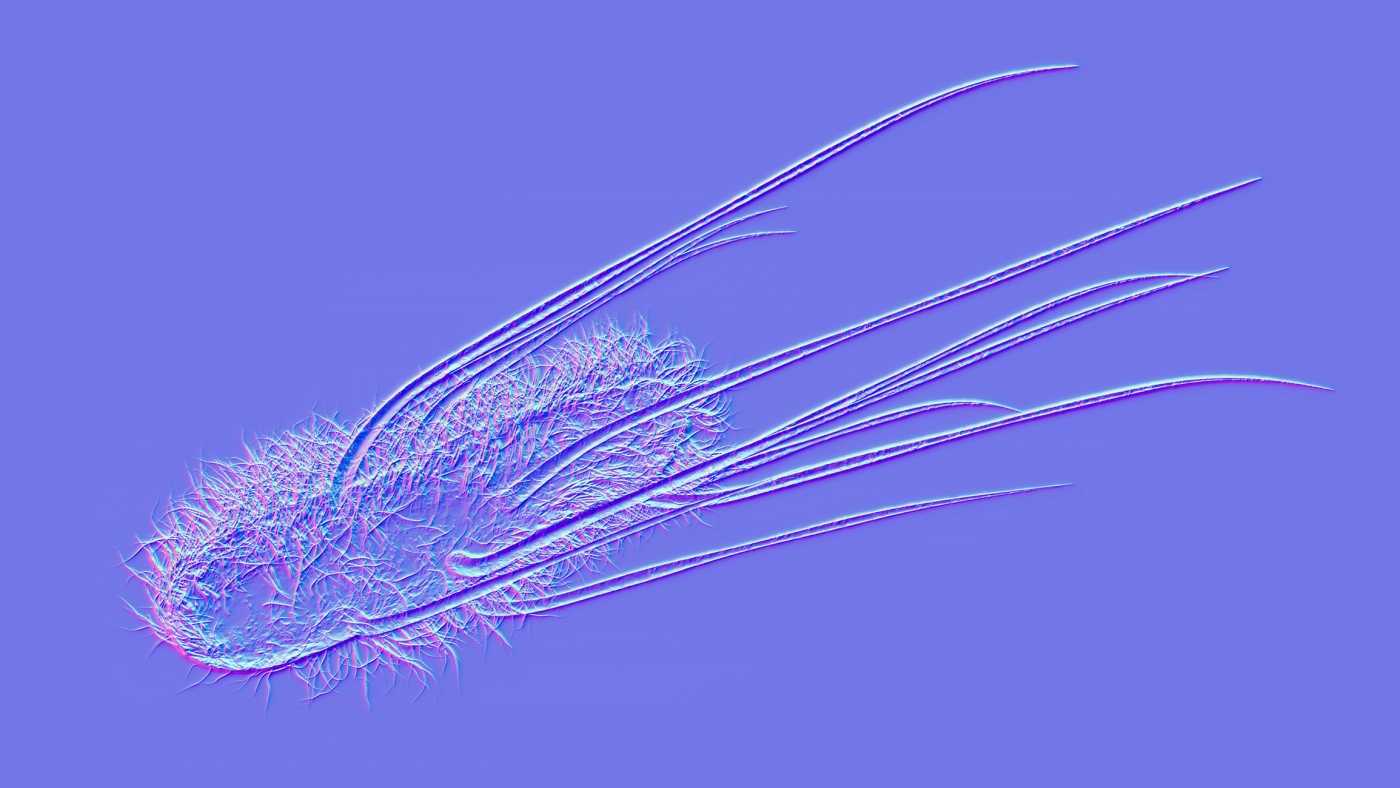
Within the human digestive tract resides a family of bacteria including Escherichia coli (E. coli), a microbe whose toxin has been implicated in certain colorectal cancer cases.
A puzzling increase in colorectal cancer incidence among individuals under 55 has alarmed experts over the past 20 years.
This unsettling trend may partially hinge on colibactin, a poisonous substance created by some strains of E. coli and other bacteria. Recent research has revealed a notable connection between this toxin, which harms DNA, and the emergence of colon cancer in younger adults.
An investigative team from the University of California, San Diego examined nearly 1,000 tissue samples from colorectal cancer sufferers from four continents. Their findings revealed that most subjects had genetic mutations characteristic of colibactin exposure.
This bacterial toxin, acting like a weapon for inter-bacterial defense, appears markedly more frequently in individuals under 40 with early-onset colon cancer, who are three to five times more likely to have these mutations compared to patients over 70.
The hypothesis suggests that this bacterial arsenal, known as a genotoxin, might mistakenly target human gut cells, triggering mutations that heighten the risk of colorectal cancer.
Evidence suggests that the critical colibactin exposure happens in early childhood rather than continuously up to diagnosis.
According to Alexandrov's estimates, these mutations occur during the first decade of life, potentially advancing the age risk 20-30 years earlier for colorectal cancer development.
While a firm link is drawn, definitive proof that colibactin causes early cancer onset in some individuals isn't established. Researchers caution against oversimplifying the causes behind the cancer trend to just one bacterial culprit.
Decoding the DNA-Harming Toxin
A fresh insight suggests environmental variables such as diet, sedentary lifestyle, and medications might contribute to the steep rise in colorectal cancer cases among the young.
The influence of these factors on the gut microbiota includes potential disruption leading to increased cancer risk.
The bacterial family containing E. coli, which becomes dominant in infancy, isn't a new health threat per se, but the presence of toxin-generating strains in a segment of the population is concerning.
Not all colorectal cancer patients exhibit signs of such toxin-related mutations, leaving researchers wondering what permits the toxin-producing bacteria to flourish.
Diet, inflammation, and certain medications are factors that might trigger these bacteria into producing colibactin.
Antibiotics and Nutrition Influences
Globally, the correlation between colibactin mutations and colorectal cancer is less common in rural settings of Africa and Asia, becoming more frequent in industrialized regions like the US and Western Europe.
Researchers hypothesize factors such as birth method, breastfeeding practices, antibiotic use, and nutritional habits during childhood could be influencing factors.
Thus, the need to examine how each of these factors shapes the microbiome and potentially affects colibactin production is vital.
There's confidence that issues like antibiotic exposure are credible given previous links to elevated colorectal cancer risk.
Looking forward, the aim is to discover microbial biomarkers for predicting cancer risk and eventually manage the impact of toxins like colibactin through pharmaceutical intervention.
Attempting to alter microbial populations could lead to unforeseen effects, emphasizing the necessity for precise and cautious approaches.
Leave a Reply