


Unsettled Skies: Rising Passenger Anxieties and Airline Challenges
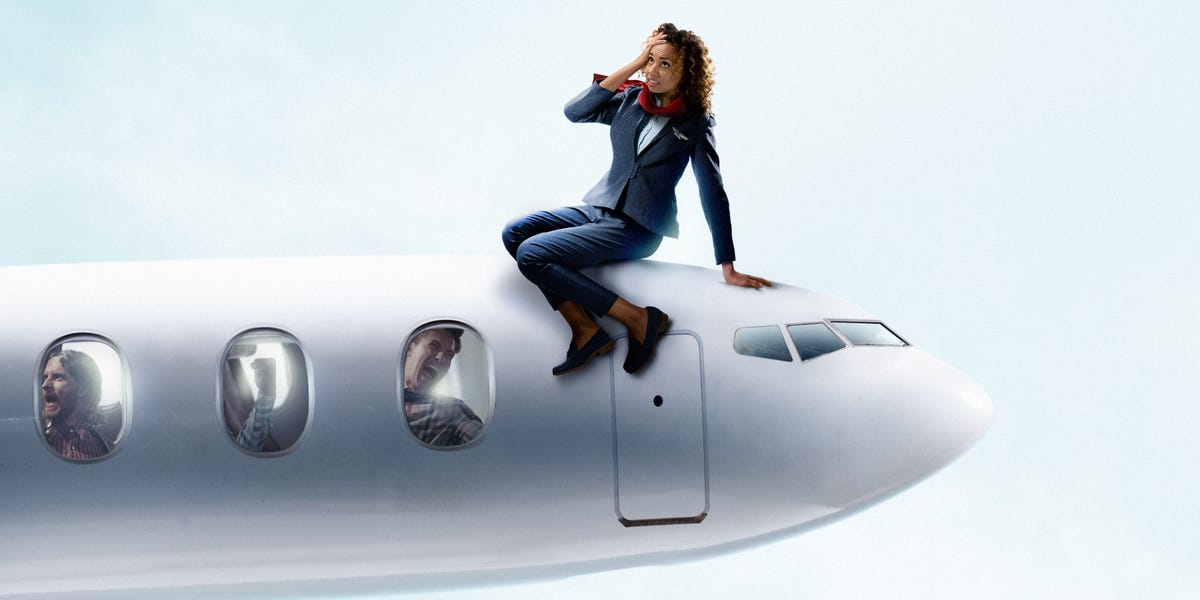
On a February flight between Denver and Houston, airline staff encountered a troubling incident: a passenger began violently hitting the seat in front of him. When crew members tried to intervene, he turned his aggression towards the aircraft window, breaking it and injuring himself. Fellow passengers eventually subdued him using shoelaces and zip ties, according to an FBI document. A few weeks later, on a journey from Wichita to Washington, DC, an unruly passenger threatened a flight attendant and attacked a neighboring passenger. These accounts illustrate a growing problem in air travel.
Escalating Disturbances During Flights
Since 2021, more than 12,900 incidents involving disruptive passengers have been reported to the FAA. This marked the beginning of a significant increase in discord onboard, with incidents in that year reaching a historic high of 5,973—a staggering increase of over 400% from 2019. Although 2021 remains the worst year on record, these issues persist with incidents doubling last year compared to 2019.
Several polls, such as a Harris Poll for The Points Guy, reveal heightened public concerns about flying, fueled by recent air crashes and passenger misbehavior. Around 65% of people surveyed expressed increased anxiety about flying due to these factors, and nearly 90% reported fears associated with air travel.
Air Travel as a Mirror of Society
Flying often exacerbates poor behavior, largely due to travelers' lack of control over many aspects of the journey—from erratic security procedures to overpriced airport amenities. Some researchers suggest planes mirror societal inequalities, where divided seating classes reflect economic disparities. This environment becomes a test of mutual respect and self-control—the social contract that holds society together. Flight attendants witness firsthand the breakdown of this unspoken agreement, which appears to descend from societal upheaval to the skies.
Flight attendants I spoke to noted that American passengers, in particular, struggle with maintaining appropriate behavior in the current climate.
Historical Context of Current Issues
According to Angela Dahlberg's book "Air Rage," the aviation industry in the 1990s prioritized business efficiency and safety economy at the expense of comfort, leading to cramped cabins and reduced services. This set the stage for increased passenger disturbances. Post-9/11 security measures and growing passenger numbers exacerbated these frustrations, with air rage incidents reported more frequently.
Former TWA flight attendant Kathryn Voge recounts dealing with a disruptive, intoxicated passenger on a 2011 flight, acknowledging the rise of such incidents. Both Voge and Sunny McLaren, a retired American Airlines crew member, attribute some blame to technological distractions; passengers often disconnect using personal devices, making interactions with crew members more startling.
Cultural Shifts and Increased Short-Temper
McLaren emphasizes a cultural shift toward impatience, reflected in both crew and passengers. Gallup polls affirm that stress is increasingly part of American life, with surveys indicating a rise in anxiety and perceptions of declining civility, intensified since the pandemic.
Years of crises have left many people on edge, leading to friction and outbursts—in flight and on the ground. This is evident as passengers struggle to eschew modern distractions and engage meaningfully with crew members.
Persisting Challenges in Air Travel
Recent times have aggravated bad behavior, notably around masking requirements. In a 2021 survey, the vast majority of flight attendants experienced difficulties with unruly passengers, and many reported instances of physical confrontations.
In response to these ongoing issues, the FAA has requested airports to curb the sale of takeaway alcohol, believed to contribute to the problem. Proposed legislation to create a no-fly list for troublesome passengers has stalled, leaving unresolved tensions.
Narratives from the Frontlines
Flight attendants like Anissa Perales, who joined the industry in 2023, accept that dealing with erratic and difficult passengers is now a routine part of the job. Such challenges highlight the constant pressure flight crews face, exacerbated by prolonged political and social uncertainties.
Conclusion: Navigating the Complex Air Travel Landscape
While some improvement has been noted since the most restrictive pandemic measures were lifted, disruptive incidents remain a significant concern. The shifting landscape of travel, driven by global tensions and domestic policies, continues to pose questions about the future of air travel. As industry veterans and newcomers alike wrestle with these evolving challenges, they remain committed to ensuring safety and service in an increasingly complex environment.
Leave a Reply