


Demise of Foreign Aid Entity Founded by George W. Bush
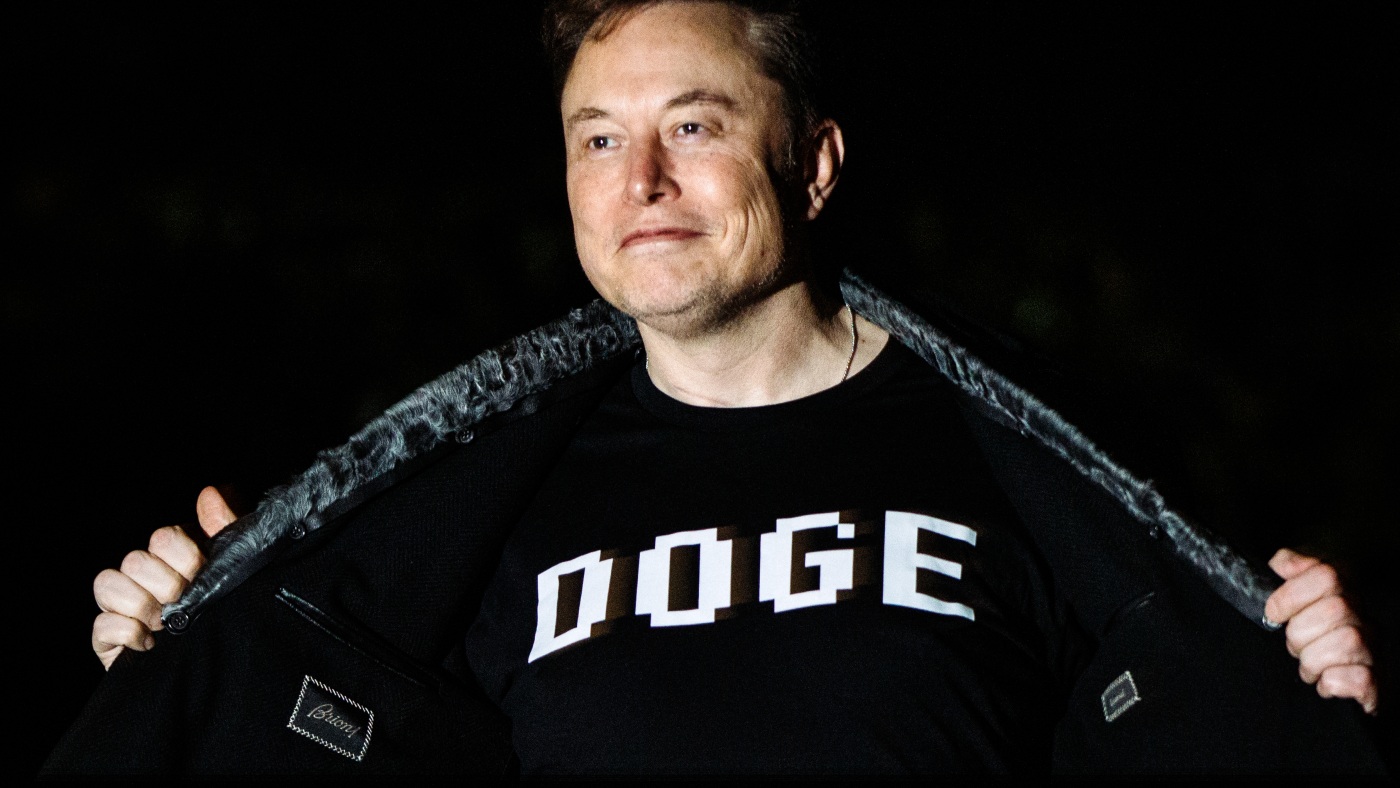
By Elon Musk, after disembarking from Marine One at the White House with the U.S. President, has led the charge for reducing operations within the Millennium Challenge Corporation. This agency, initiated by former President George W. Bush, aims to foster economic growth in international markets.
Under the rapidly evolving political landscape, the largest aid entity in the U.S., MCC, which operates away from the limelight but is highly esteemed, is now feeling the pressure.
The Role and Impact of the Millennium Challenge Corporation
The Millennium Challenge Corporation, or MCC, was established as an independent entity to support economic advancements in nations with low to middle incomes. Commencing under George W. Bush's leadership, it has received extensive bipartisan approval due to its strategic focus on private-sector investments.
Anticipations were high when an official's recent visit to the MCC concluded on a positive note, affirming the agency’s efficacy and alignment with the current administration’s goals.
However, recent developments have sent a chilling wave through MCC as government strategies indicate significant workforce reductions and cessation of existing grants.
Reports from MCC's acting CEO, disseminated through internal communication, caution about the substantial shrinkage in program initiatives. These adjustments could potentially scale down the MCC workforce from about 320 to a meager few.
MCC’s Operational Blueprint
The organization has allocated approximately $17 billion across 47 nations from its inception in 2004, focusing an annual budget close to $1 billion on investments aimed at economic upliftment and poverty alleviation. Today’s endeavors range from enhancing electrification in regional areas to modernizing metropolitan transport systems and improving agricultural connectivity in rural precincts.
Successfully procuring funding necessitates that nations undertake crucial political reforms, including stringent anti-corruption measures, to ensure judicious expenditure of resources.
Reflecting upon its raison d'être, George W. Bush highlighted MCC's paradigm of nurturing partnerships premised on local empowerment to resolve domestic challenges, with remarkable outcomes over its 20-year existence.
Globally recognized for its transparency in aid distribution, MCC is celebrated for its meticulous program evaluations and its focus on sustainable growth without fostering debt.
The Uncertain Future Ahead
After accessing MCC's confidential data, DOGE has not clarified the motives behind the proposed reductions. This differs from previous administrations that cited integrity issues to justify aid recalibration.
Nevertheless, the sudden strategic pivot from the governing body has ignited concerns, drawing skepticism from those valuing MCC’s distinctive role in nurturing international development and diplomatic relationships.
Considered modest against a multi-trillion national budget, MCC’s allocation facilitates immense potential for economic collaboration, impacting both the beneficiaries abroad and U.S. commerce.
Potential dismantling of the MCC apparatus raises alarm over the loss of a pioneering structure in developmental aid — a model lauded for advantaging recipient states alongside bolstering American interests, as reiterated by former representatives linked to the agency.
The implications of severing MCC’s engagements suggest a divergence from commitments made, potentially compromising relationships and trust cultivated globally. Without access to MCC's unique benefits, the nation's diplomatic reputation and influence are at risk.
Leave a Reply