


Sharp Drop in Home Sales: A Closer Look at the Market
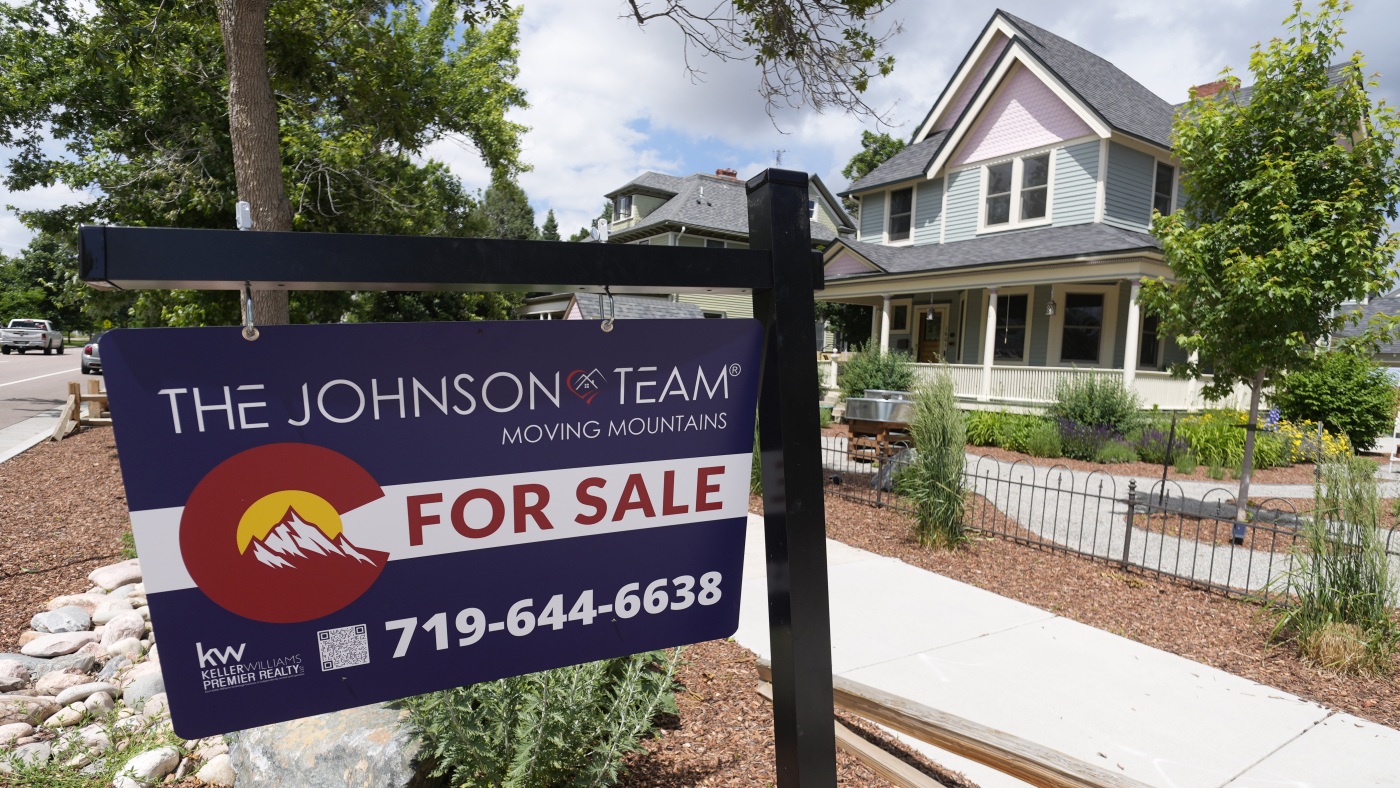
In March, the sales of pre-owned homes decreased sharply, coinciding with rising mortgage rates. Pictured here is a house for sale in Colorado Springs, Colorado, during the year 2023.
The spring housing season was anticipated to be bustling; however, it has turned out to be less lively.
A notable 5.9% drop in the sales of existing homes was observed from February to March, marking the steepest month-over-month decline since November 2022, after seasonal adjustments.
These sales figures were also 2.4% lower compared to the same period last year.
This downturn was unexpected, particularly following increased availability in February, which was assumed to boost sales. Historically, spring sees increased activity, partly due to families looking to relocate outside of the school year.
However, the numbers point toward a persistent decline in the housing market, primarily due to high mortgage interest rates.
The Role of Mortgage Rates
Mortgage rates, initially decreasing early in the year, have risen in recent weeks. President Trump's tariff threats have caused fluctuations in the bond markets that indirectly influence these rates.
Over the past week, the average rate for a 30-year fixed mortgage was 6.81%, a noticeable increase from rates in March and early April, which were roughly 6.6%.
Home Prices and Economic Mobility
Home values continue to increase, albeit at a slower pace. The median price for houses sold in March was $403,700, compared to $392,900 the previous year and $398,400 the prior month.
Oliver Allen, a senior economist at Pantheon Macroeconomics, projects a stagnation in home sales. Sales have mirrored mortgage rate trends: as rates rise, sales fall, and vice versa.
He elaborates that the housing market is currently quite subdued, with new mortgage rates near 7%, while existing mortgages are averaging around 4.3%.
Lower sales could signify reduced economic mobility in the U.S., implying that people are less inclined to upgrade to more luxurious homes, according to economist Lawrence Yun.
New Home Sales Show a Different Trend
A different narrative is emerging elsewhere in the market. According to recent reports from the U.S. Census Bureau and the U.S. Department of Housing and Urban Development, sales of new single-family homes rose by 7.4% from February and were up 6% compared to the previous year.
In March 2025, the median sales price for new homes was $403,600, closer to the median price for existing homes than unusual, highlighting a shift in what homebuilders are producing.
Yun noted this alignment in pricing between new and existing homes signifies a shift towards constructing smaller and more affordable homes rather than larger, high-priced properties.
This trend could benefit buyers priced out of the existing home market, yet certain areas, especially in the Northeast, are still seeing limited new housing developments.
Despite these shifts, indications suggest that this spring market could be weaker than in previous years.
The Mortgage Bankers Association reported a 12.7% drop in mortgage applications by the week ending April 18, attributed to the recent spike in mortgage rates.
Bob Broeksmit, CEO of MBA, remarked that many potential homebuyers might defer their purchase decisions until there's more certainty about mortgage rate trends and the broader economy.
Leave a Reply