


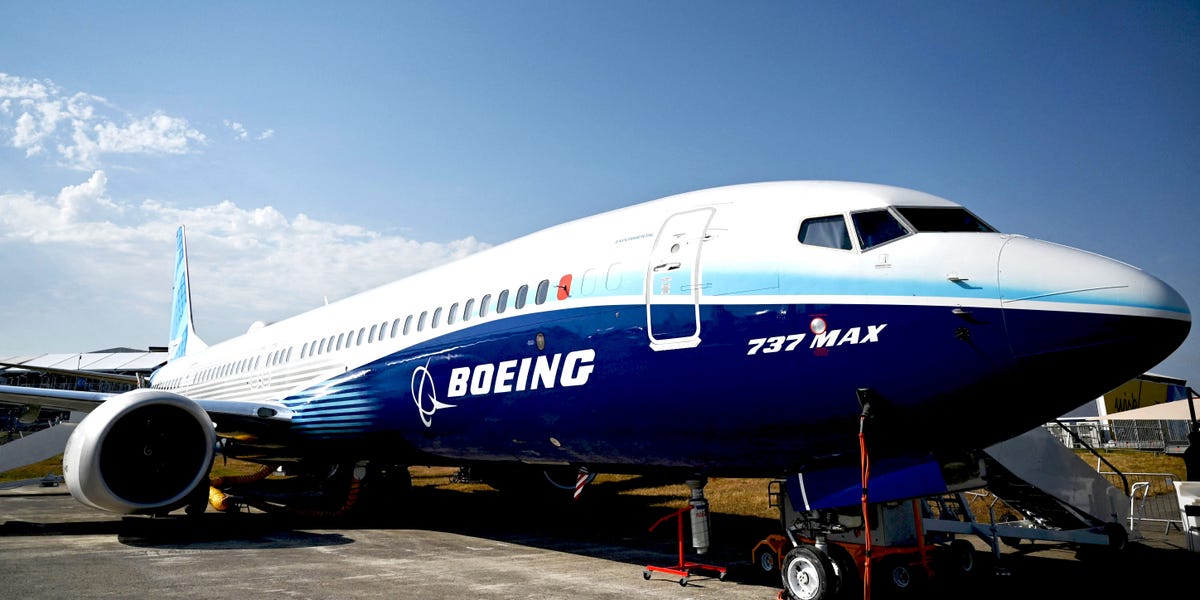
Boeing's $1 Billion Dilemma with China and the Plan to Resolve It
Caught in the middle of the trade conflict between the United States and China, Boeing has found itself in a challenging predicament.
The American aerospace giant is faced with the task of selling around 50 aircraft originally intended for Chinese airlines, as their clients have decided they will not proceed with the deliveries due to imposed tariffs.
"At the moment, China is our sole concern," expressed Boeing's CEO, Kelly Ortberg, during a recent earnings discussion. "We are fully committed to ensuring that the issues with China do not interfere with our recovery efforts."
Boeing's Financial Officer, Brian West, highlighted that China constitutes approximately 10% of the company’s commercial backlog. They are actively seeking new markets with steady demand to redirect these aircraft.
Each of the 50 planes designated for China signifies more than $1 billion in potential revenue, according to West.
Chinese carriers have already returned two completed planes to the United States, with a third planned for return, Ortberg noted in an interview with CNBC on Wednesday.
Opportunities on the Horizon
The delays in deliveries have attracted interest from other buyers. The leader of the Malaysia Aviation Group, which owns Malaysia Airlines, announced talks with Boeing about acquiring these delivery slots.
Ortberg stated, "We are off to an excellent start this year, and I'm pleased with our conservative strategy that accommodates the tariff challenges."
Boeing reported a significant financial performance in the first quarter, with revenues reaching $19.5 billion, reflecting an 18% increase from the prior year. The company also managed to reduce its loss to $31 million.
The shares of Boeing rose by 6% on Wednesday by market close.
Consulting with the Highest Authorities
Boeing's management team has expressed their worries about President Donald Trump's tariffs impacting global trade, and the potential for other nations to adopt similar measures as China.
"We are in constant communication with various individuals within the administration, from different cabinet members to discussions with the President himself," Ortberg remarked. "Aircraft contribute significantly to our trade surplus, and restricted access to markets will present us with major obstacles."
Although most of Boeing's supply network is US-based, with tariffs exempt on imports from Mexico and Canada, they project that increased tariffs may cost the company an additional $500 million annually.
Pressures from Market and Competition
After overcoming several setbacks last year including significant employee strikes and financial shortages, Boeing now faces the challenge of recovering its competitive edge and market share, rivaling European Airbus and rising competitors from China.
Leave a Reply