


Kering's Stock Declines Following First-Quarter Revenue Dip
Kering's shares took a dive on Thursday after the disclosure that its first-quarter revenue did not meet predictions, highlighting looming economic challenges.
The luxury goods powerhouse saw its quarterly revenue plummet by 14% from the previous year, reaching 3.9 billion euros ($4.4 billion), which was short of the 4.01 billion euros anticipated by LSEG experts.
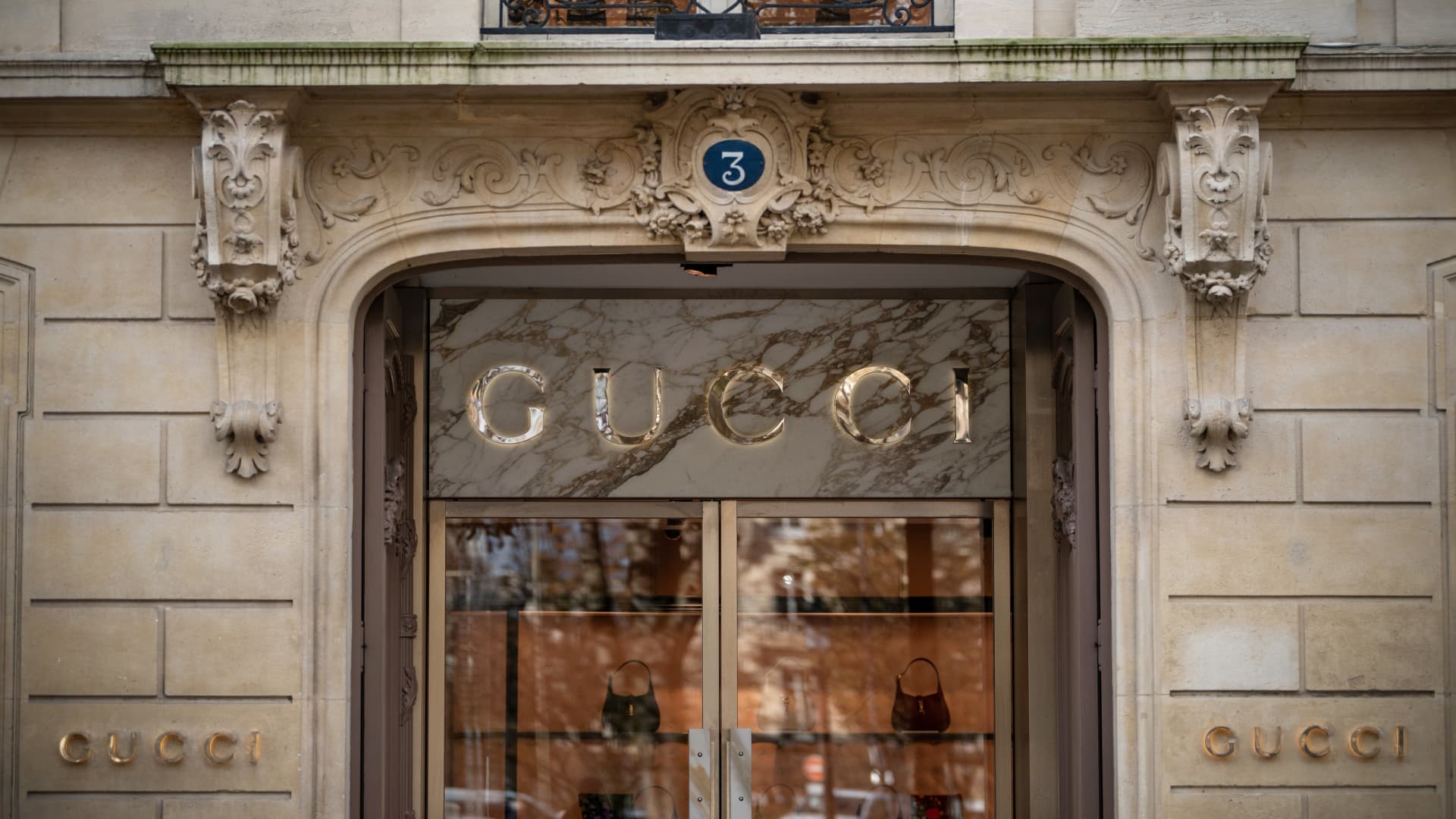
Gucci Sales Struggle
Gucci, which accounts for nearly half of Kering's total sales, experienced a 25% slump to 1.57 billion euros, amid ongoing efforts to rejuvenate the brand.
Before trading even began, Kering's shares plummeted 5.1% by early morning in London after operations were temporarily stopped at the stock market's opening.
Regional Sales Challenges
The firm's broader financial losses were driven by a 25% sales contraction in the Asian markets, alongside a 13% decrease in North America and Europe.
Executive Remarks
Kering's Chairman and CEO, François-Henri Pinault, described the start of the year as challenging and cautioned about further difficulties within the luxury sector.
He stated, "We are channeling our energies into implementing our plans to achieve our financial goals and bolster our market positions." He expressed confidence in emerging more robustly from the current hurdles.
Leadership Changes at Gucci
In a bid to revitalize its flagship brand, Gucci, Kering appointed Demna Gvasalia last month. However, this move has stirred apprehension among investors due to prior controversies linked to Gvasalia's tenure with Balenciaga.
Gucci has endured several quarters of faltering sales, partially due to a loss of consumer appeal and its significant reliance on the Chinese market, which has recently faced economic sluggishness.
Luxury Market Trends
The larger luxury industry has been experiencing a downturn in recent years, exacerbated by inflation and economic instability. There were signs of revival at the year’s beginning, with many high-end brands reporting optimistic fourth-quarter earnings.
Despite this, continued economic unpredictability poses risks, with some cautioning against over-optimism about immediate recovery prospects.
Tariffs and Pricing Strategies
Luxury brands initially anticipated minimal impacts from tariffs, given their ability to transfer costs to affluent customers. However, those like Kering, already experiencing reduced sales, face challenges in this strategy.
Analysts at TD Cowen noted that unlike LVMH, which leverages pricing as a strategy, Kering might struggle more due to weakening consumer sentiment affecting pricing flexibility.
Leave a Reply