


Eli Lilly Legal Battle Over Unauthorized Weight Loss Drug Alternatives
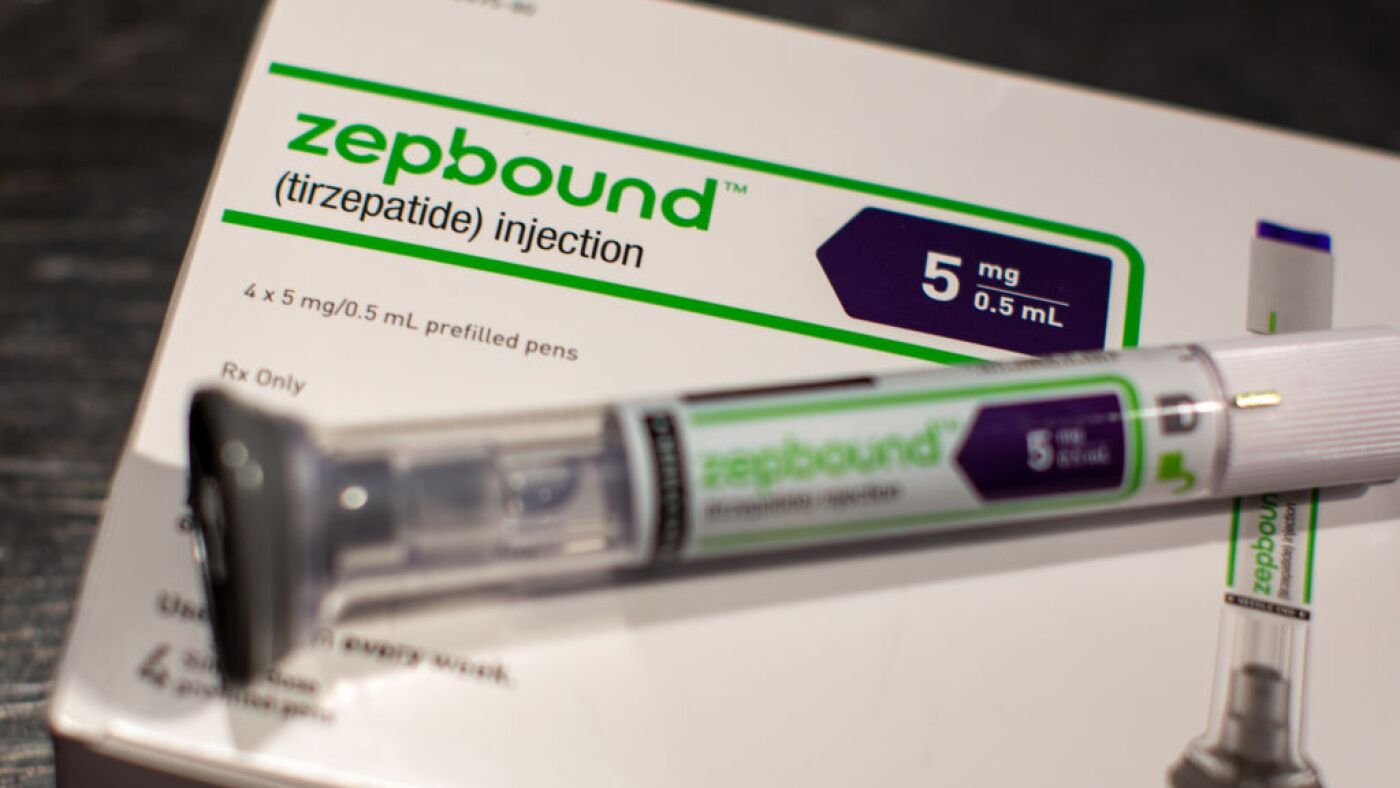
Eli Lilly, a major pharmaceutical company, is taking legal action against four telehealth firms. The lawsuit claims these companies have been unlawfully distributing a compound of its weight loss medicine, Zepbound, crafted by special pharmacies.
These compounded versions are not the same as generic drugs. Rather, they are replicas permitted to be created by designated compounding pharmacies during periods when drugs like Tirzepatide, the active component in Zepbound and Mounjaro for treating Type 2 diabetes, are in short supply. The FDA had allowed this practice during the scarcity which concluded on December 19, 2024. Though creating new batches was prohibited, existing stocks could be sold until depleted. Compounding is generally allowed with a doctor’s prescription, especially for patients needing customized formulations, like those allergic to specific additives.
When Zepbound faced accessibility issues, compounding pharmacies provided an alternative for patients unable to secure or afford it, given the high cost exceeding $1,086 monthly. In contrast, compounded versions of Tirzepatide were significantly cheaper, starting at around $99.
With the shortage now resolved, Eli Lilly is taking firm action against further production of compounded Tirzepatide. "Selling these mass-produced versions without authorization violates the law," declared Lilly in a statement to NPR, vowing to pursue all measures to protect patient safety and urging regulatory bodies to assist.
Earlier this month, Eli Lilly initiated lawsuits against compounding pharmacies. The focus has since shifted towards telehealth providers allegedly marketing compounded Tirzepatide. Complaints have been lodged against several companies, including accusations that Mochi altered the formulation and dosage of Tirzepatide without consent, performing such changes multiple times over eight months to maintain sales.
The FDA restricts compounders from creating drugs that essentially duplicate any readily available commercial product. No comment has been received from Mochi regarding these allegations.
The legal action against Henry Meds claims improper use of Lilly's approved drug references to bolster sales of compounded versions. Furthermore, Henry Meds and Fella Health are said to have sold Tirzepatide in pill form, which lacks FDA approval. Allegedly, Fella described its oral variant as superior to Lilly’s approved products.
Willow Health is accused of misleadingly claiming to have innovated the first 'cosmetic' GLP-1 version, although no such FDA-approved form exists specifically for cosmetic weight loss. Lilly stresses that only they hold FDA approval for Tirzepatide.
Inquiries to Henry Meds, Fella Health, and Willow Health for comments have been met with silence.
Previously, on April 1, Eli Lilly pursued legal action against two compounding pharmacies, Strive and Empower. Strive has vowed to contest in court, while Empower supports its operations, emphasizing their commitment to patients and healthcare providers.
Scott Brunner from the Alliance for Pharmacy Compounding, representing these specialized pharmacies, refrained from direct comments on the lawsuits. He did note, however, that compounding currently occurs when a valid prescription is provided. The crucial issue, he highlighted, is balancing regulatory governance with acknowledging legitimate customization by genuine medical practitioners. The upcoming judicial reviews in Eli Lilly's new lawsuits may redefine these boundaries.
Leave a Reply