


Nearly Half of Americans Continue to Suffer Due to Air Pollution
Despite years of effort dedicated to improving air quality, a significant number of Americans are still exposed to harmful levels of air pollution, states the latest State of the Air report.
Although the U.S. has seen significant progress in reducing pollution rates over the decades, primarily since the Clean Air Act's enforcement, alarming air quality persists across many regions. The 2025 report by the American Lung Association highlights that nearly 156 million people, almost half the population, reside in areas plagued by detrimental smog and soot, impacting their health negatively.
Persistent Pollution Problems
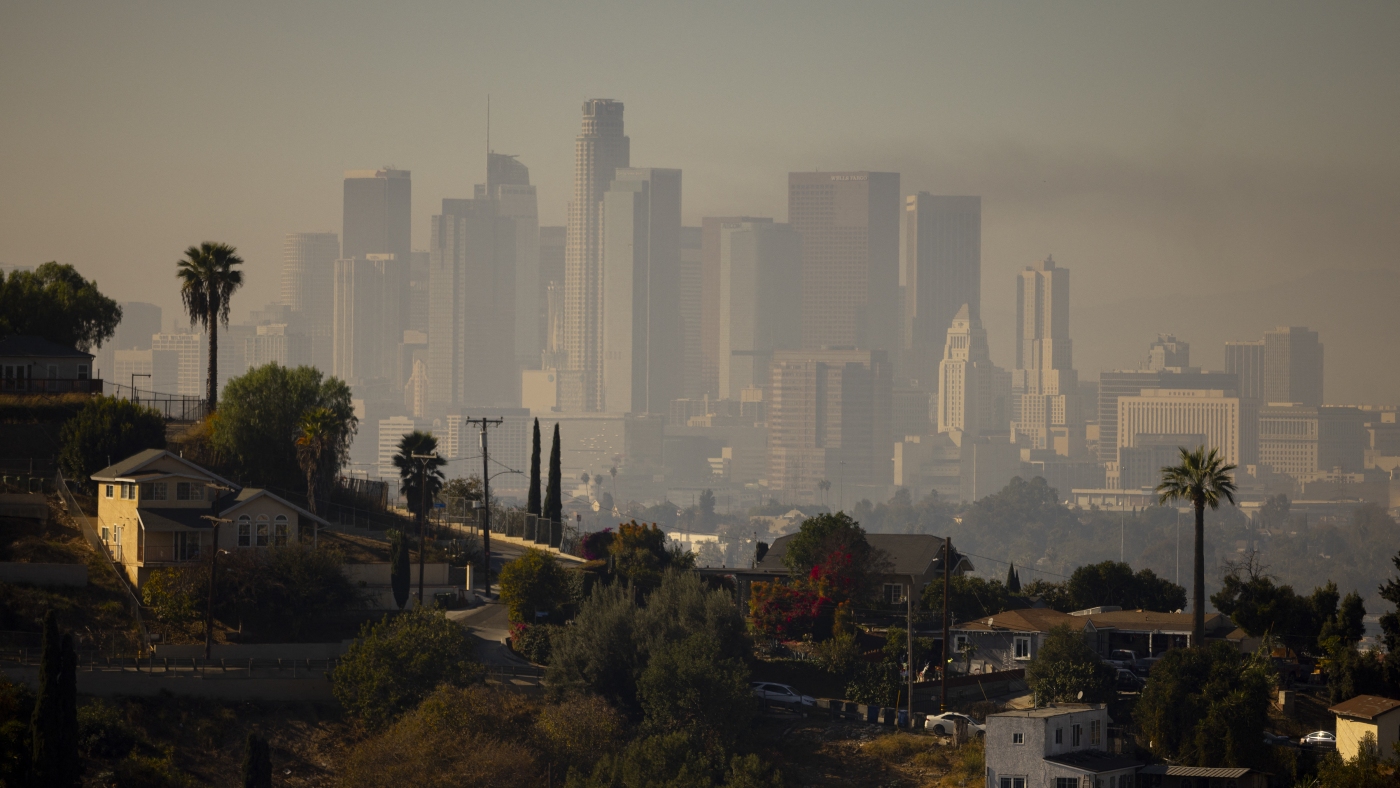
California cities such as Fresno and Bakersfield showcase the highest yearly averages of soot pollution, while Los Angeles leads in ozone pollution. Cities like Phoenix and Dallas also report significant smog concerns. The report raises concerns as regulations are being reconsidered under the current administration, potentially reversing progress made.
People of color bear a disproportionate burden, as they are about twice as likely to experience heightened pollution compared to their white counterparts.
Health Implications and Regulatory Changes
Medical professionals argue against proposed regulatory changes, fearing widespread health repercussions. The rollback of environmental regulations could significantly impact public health, warns Neelu Tummula, an otolaryngologist supporting the report.
The current administration argues it can simultaneously safeguard the environment and economic growth. However, the potential risk to human health remains a point of contention.
Historical Context and Legislative Action
The dangers of air pollution became more apparent in incidents like the Donora smog of 1948 and the Great London Smog of 1952, which catalyzed legislative actions to mitigate air pollution in the years that followed.
The Clean Air Act, introduced in 1963 and significantly updated later, targets reducing pollutants known to harm health, such as particulate matter, ozone, and others.
Research consistently links improved air quality with better health, extending life expectancy and decreasing asthma occurrences.
Scientific Research and Ongoing Challenges
Studies, including longitudinal research from Harvard, have confirmed that individuals in high pollution areas have shorter lifespans compared to those in cleaner environments. These findings underscored the need to tighten air quality standards.
Pollution not only affects respiratory health but can infiltrate the bloodstream, exacerbating cardiovascular and neurological conditions. Ongoing research reveals its profound impacts on both physical and cognitive health.
The Path Forward
While the Clean Air Act led to an 80% reduction in air pollution over decades, contemporary challenges like climate change-induced wildfires threaten to reverse these gains by deteriorating air quality across unexpected regions.
Reducing emissions and reinforcing regulatory frameworks remain crucial as changes in climate and policy pose new obstacles. The potential cutback of science-focused roles in federal agencies portends risks to ongoing improvements in air quality.
Leave a Reply