


Mandatory Debt Collection Resumes for Millions of Borrowers
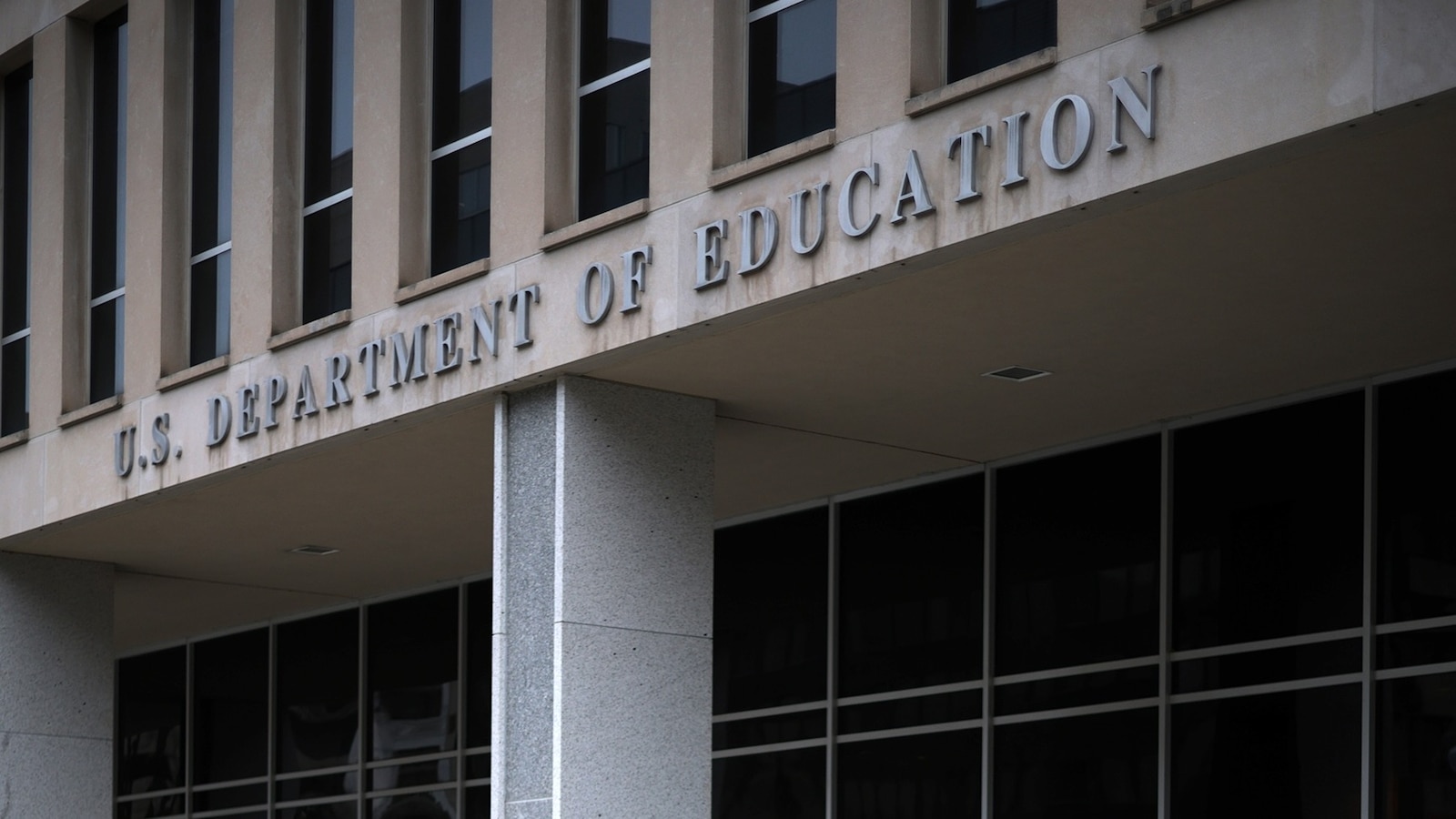
Starting May 5, approximately 5 million Americans whose student loans have defaulted will see their debts transferred to collections, as announced by the Department of Education.
Resumption of Debt Collection Post-Pandemic
For the first instance since the pandemic's onset, the Education Department plans to initiate debt collection from borrowers who failed to pay their student loans within a nine-month period before COVID-19.
This move is occurring amidst the reduction of Federal Student Aid personnel due to efforts by the former Trump administration to close the agency, creating a murky outlook for borrowers and the student loan framework, as per ex-Under Secretary of Education James Kvaal.
The Impact of Borrower Support Reduction
The cutback in department staff may hinder borrowers seeking assistance for affordable repayment solutions or debt forgiveness. Kvaal emphasizes that without sufficient resources, transitioning smoothly back to repayment might become challenging.
Economic Implications of Defaults
The repayment pause, which was introduced in 2020 to mitigate financial struggles caused by the pandemic, is coming to an end after almost five years.
Defaults pose significant issues; not only can they diminish credit ratings, but they may also risk future financial aid eligibility, and in some states, lead to the revocation of driver's licenses.
Government's Rationale for Collections
By pursuing these collections, the department aims to relieve taxpayers of covering federal student loans for borrowers who are considered to have deliberately avoided repayment.
Secretary Linda McMahon articulated that the department is committed to adhering strictly to the law, ensuring borrowers resume repayments, which is considered vital for individual financial stability and the nation's economy.
The Definition and Process of Default
A loan is classified as in default if a borrower fails to make payments for 270 days, making it subject to mandatory collections, typically through wage garnishment or tax refund offsets.
According to Mike Pierce, Executive Director of the Student Borrower Protection Center, the slated collections could hinder borrowers' recovery from default, effectively ushering them into an aggressive debt recovery protocol.
Future Plans for Loan System Management
The current administration's future endeavors include transferring management of the $1.6 trillion student loan portfolio to alternative agencies, with suggestions such as relocating it to the Small Business Administration.
Kvaal, drawing on past experiences from the Obama and Biden administrations, cautions that frequent restructuring might have serious consequences for borrowers already struggling to keep up with loans.
Debate on Departmental Changes
Those opposed to the departmental changes express concern over the long-term effects, as borrowers might face heightened risk of default amid institutional restructuring.
Leave a Reply