


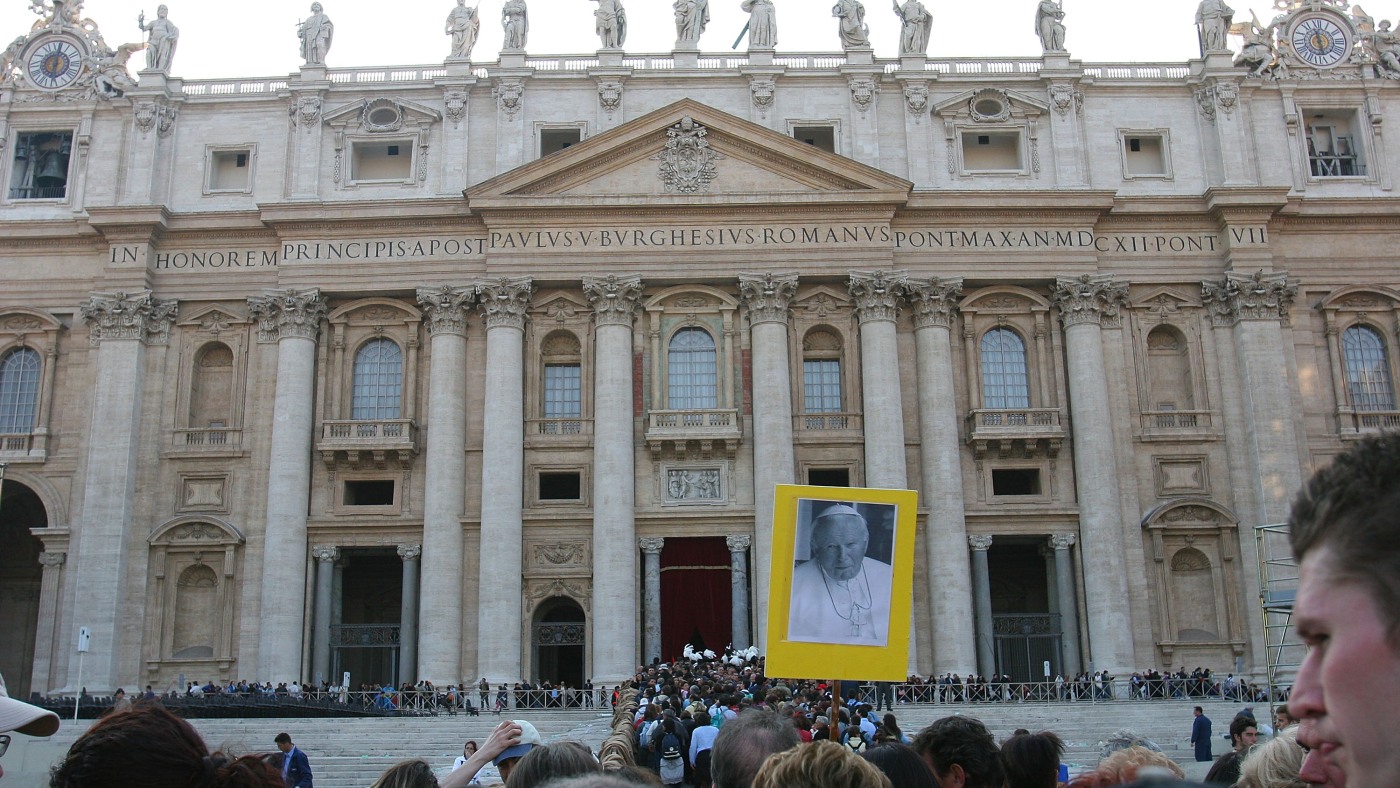
After a Pope's Passing: The Next Steps Based on Recent Precedents
With the death of Pope Francis, a sequence of events stretching over several weeks is set in motion; this includes a period dedicated to mourning and the procedure for electing a new pope.
The Vatican has a detailed protocol in place for the transition of the papal office, something that the global community witnesses infrequently.
Pope Francis was selected for his role in March 2013, succeeding Pope Benedict XVI who resigned due to advancing age and declining vigor. In a historic context, he was the first pope to resign voluntarily in nearly 600 years, dying later at the age of 95.
Before him, the last pope to pass away during his reign was Pope John Paul II at the age of 84, concluding a papacy that lasted 26 years.
Immediate Actions Following a Pope's Death
The death of the pope is immediately confirmed and reported to key figures, as noted by Father Thomas Reese, an authoritative source from that time.
The head of the papal household informs the camerlengo, who must validate the pope's demise in front of high ecclesiastical officials like the papal master of ceremonies. An official death certificate is then prepared.
Subsequently, the camerlengo and the papal household chief relay this news to Vatican officials, who then inform the people of Rome and world leaders.
However, Father Reese indicates that modern media often break the news to the public before official channels communicate it.
Specifically, Pope John Paul II's death was publicly announced at 9:37 PM on April 2, 2005, shortly after Easter Sunday.
Preserving the Legacy and Initiating Mourning
Following confirmation of the pope's death, the camerlengo secures and seals the pope's personal quarters to prevent any unauthorized access.
A significant ceremonial act is the destruction of the pope's Fisherman's Ring and seal, symbolizing the end of his authority and preventing any potential misuse. This was performed with Pope John Paul II on April 16, 2005.
A traditional nine-day period of mourning, termed the novemdiales, follows the pope's death, during which funeral arrangements are made by the cardinals.
During this interval, the pope's body lies in state. For Pope John Paul II, his body was available for viewing first within the Apostolic Palace and then at St. Peter's Basilica.
The funeral, usually occurring four to six days post-mortem as per Church law, was scheduled and executed under the guidance of the College of Cardinals.
Funeral Preparations and Processions
The camerlengo is responsible for overseeing funeral services according to the departed pope's instructions.
Pope John Paul II's funeral was conducted in St. Peter's Square just six days after his death, drawing attendance from multitudes including dignitaries and heads of state.
Francis expressed a simple preference for his eventual internment location, opting for Santa Maria Maggiore over the traditional St. Peter's Basilica.
Interim Leadership and the Conclave
With the pope's death, the camerlengo assumes temporary leadership at the Vatican and organizes the secretive conclave to elect the next pontiff.
For a new pope to be chosen, all cardinals under the age of 80 are eligible to vote, which involved 115 cardinals in 2005.
Conclaves typically commence 15 to 20 days following the pope's death. In 2005, the conclave was remarkably brief, spanning only two days.
The election is conducted within the Sistine Chapel under absolute confidentiality. The public eagerly awaits the smoke signals – black for no consensus, white signaling a new pope has been chosen.
In 2005, the conclave concluded with the election of Cardinal Joseph Ratzinger as the new pope, taking the name Pope Benedict XVI.
Announcing the New Pontiff
Once a decision is reached, two crucial questions are posed to the elected individual: their acceptance and their chosen papal name.
This is followed by papal garments being prepared, and the senior cardinal deacon publicly announcing to the people, "We have a pope!"
The election of Pope Benedict XVI culminated in his official installation on April 24, 2005, marking the start of his papacy with a Mass, and initiating his role with a visit to Germany.
Leave a Reply