


The Selection of a New Pope: Understanding the Conclave
Whenever a new pope is chosen, the world is alerted by a distinctive plume of white smoke emanating from the chimney of the Sistine Chapel. This historic signal indicates that the cardinals have reached a consensus about the new leader of the Catholic Church, marking jubilant celebrations among its 1.4 billion followers.
This smoke is more than just a tradition; it symbolizes the final act in a profound and secretive selection process. It appears after the burning of the ballots that were used by the cardinals during voting. White smoke signifies a successful election, whereas black smoke indicates the need for further rounds of voting.
A Historical Tradition: The Conclave
Upon the death of a pope, such as Pope Francis, the mechanisms of one of Europe's last absolute monarchies are set into motion. This process involves a conclave, which derives its name from the Latin 'cum clave,' meaning 'with a key.' This term has its roots in the 13th century when the Church was left without a leader for nearly three years due to internal disagreements.
Historically, cardinals were locked away with basic sustenance to focus on selecting a new pope, a practice initiated to prevent prolonged vacancies. This major religious assembly now takes place under the solemn roofs of the Vatican, away from public oversight.
The Procedures Following a Pope's Death
The camerlengo, or chamberlain, has the crucial role of declaring the pope's death, thereby leading the church until a new pope is elected. Although rituals such as tapping the pope's forehead with a silver hammer are now legends, they highlight the tradition's gravity.
The deceased pope is honored through a nine-day mourning period during which rites are performed. Conclave preparations commence, calling eligible cardinals under the age of 80 to the Vatican within 15 to 20 days of the pope's death or resignation.
Secrecy in the Election Process
Once gathered, the cardinals are bound by stringent rules of confidentiality throughout the conclave, bolstered by an oath of secrecy with dire consequences such as excommunication. This requirement ensures the election is conducted away from external influences.
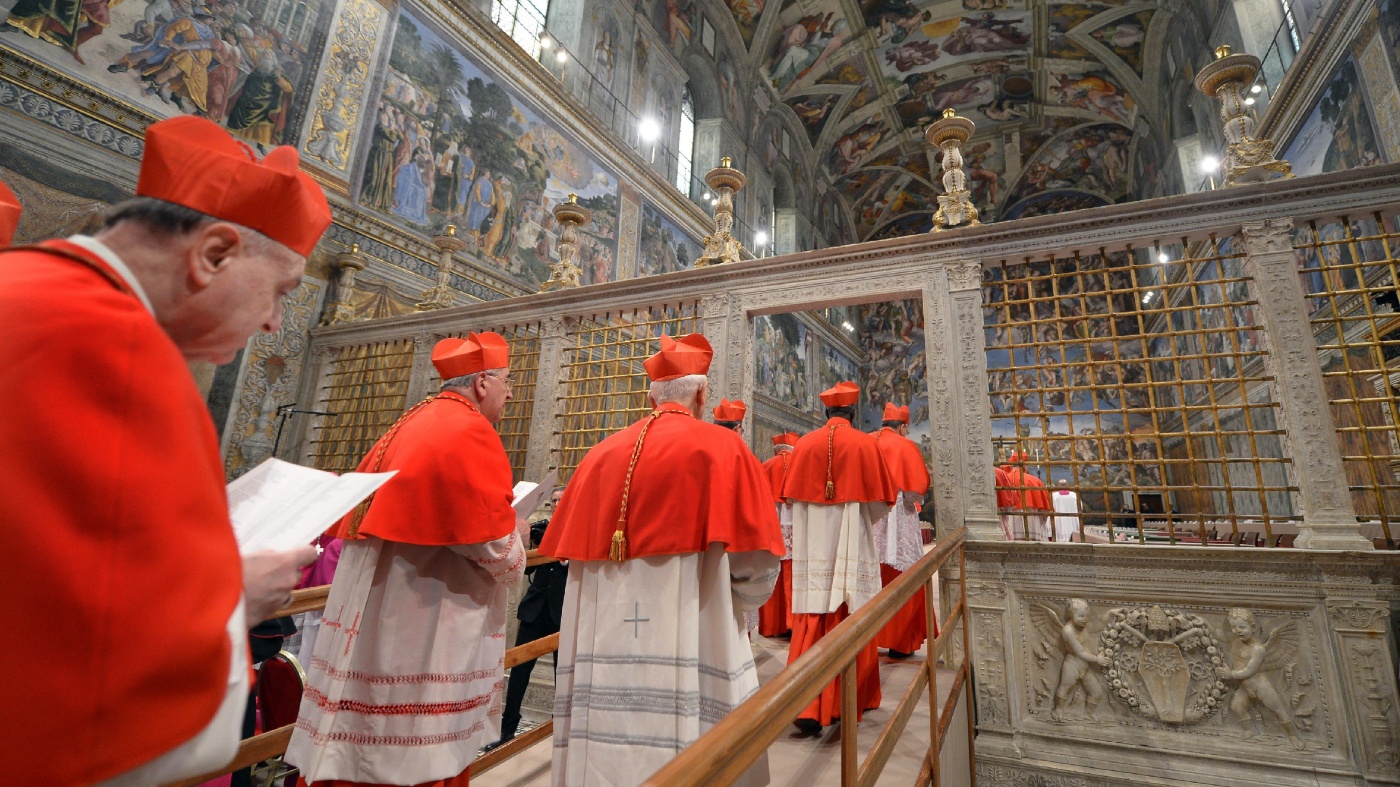
As the conclave begins, the participating cardinals take part in a solemn procession from the Pauline Chapel to the Sistine Chapel, their footsteps accompanied by hymns invoking divine guidance.
Inside the Sistine Chapel, after formalities are completed, all non-voting individuals are expelled, and the cardinals commence the secretive deliberations necessary for choosing their new leader.
Voting and Decision-Making
The first evening includes a single round of voting, often a gauge of preferences rather than a decisive vote. Daily, the cardinals participate in two morning sessions and two afternoon sessions until a candidate receives a two-thirds majority.
Ballots used in each session are threaded together and combusted, with chemicals added to ensure the smoke's color is clearly distinguishable, an innovation that minimizes miscommunication.
Duration and Conclusion of Conclaves
In modern times, conclaves usually conclude quickly, often within a few days. For example, Pope Francis was elected by the second day. The newly elected pope must accept the role and choose a papal name before official announcements are made.
After acceptance, the new pope is outfitted in papal garments and presents himself to the world from St. Peter's Basilica's balcony, marking the beginning of a new papal era. The grand ritual ends as the senior cardinal deacon proclaims "Habemus Papam," or "We have a pope!"
Leave a Reply