


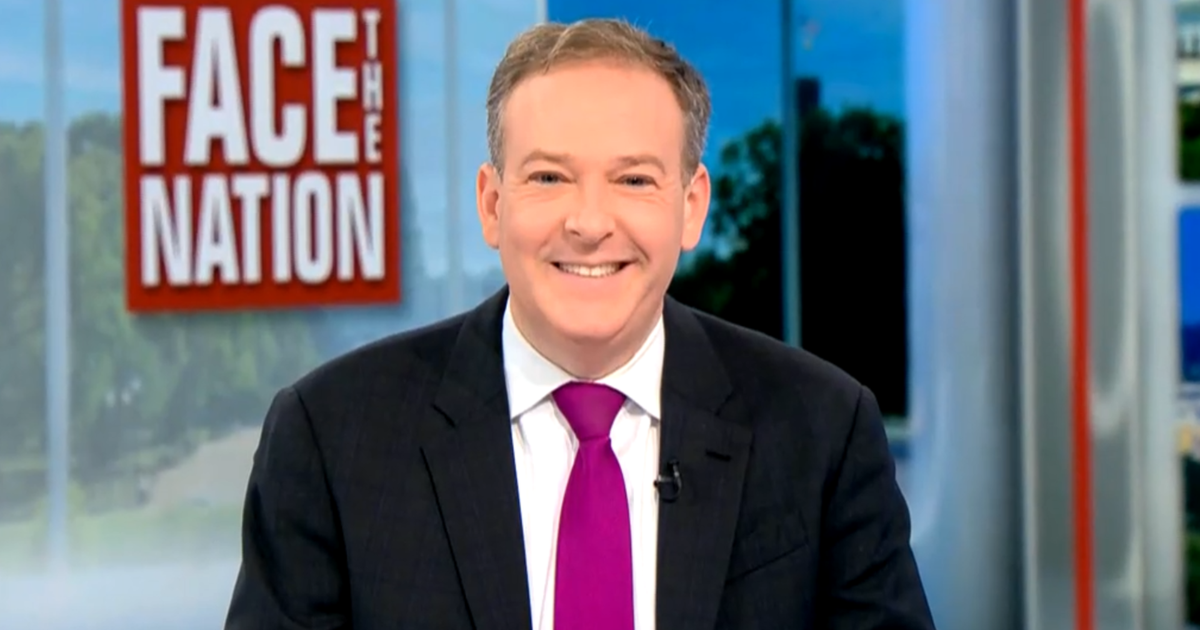
Interview With EPA Chief Lee Zeldin on "Face the Nation," April 20, 2025
CBS News Broadcast
WEIJIA JIANG: Let's get back into our conversation here on Face the Nation, turning now to EPA chief, Lee Zeldin. We're glad to have you here this morning. Let's dive into what your team described as the EPA's biggest day ever—when no fewer than 31 deregulatory steps were rolled out just last month. Highlighting some of them, you've initiated the reevaluation of existing power plant rules, mercury controls for coal facilities, and wastewater norms concerning oil and gas projects. Since the EPA's central mission is to safeguard both public health and the natural world, how do you convince the nation that these policy shifts won't harm people or nature?
LEE ZELDIN: Absolutely. Our task is not just about preserving our planet but also about stimulating our financial system. That balance is what Americans call for. Over the past years under President Biden, numerous regulations made it to the finish line specifically targeting certain business sectors. With the public focusing on financial strains during last fall's elections, issues like heating costs, grocery bills, medication expenses, and job availability became central concerns. Compliance costs, which are staggering, affect our broader economy too. As we begin this journey, I keep an open mind, as mandated by the Administrative Procedures Act. Public commentary is invaluable to us, and we urge everyone to share their thoughts when the time comes.
WEIJIA JIANG: Speaking of last month's announcements, your agency intends to redraft what constitutes 'Waters of the U.S.', subject to the Clean Water Act. These definitions guide how we control contaminants, including PFAS chemicals in drinking water—a cause you championed as a lawmaker. Could you elucidate on which waters might now fall outside EPA oversight, and why?
LEE ZELDIN: Certainly. The recent Supreme Court ruling in the Sackett case outlined specific criteria for classifying waters of the United States. We aim to align federal regulations with this judgment. Currently, the definition varies across our 50 states. Many agricultural and landowners are left guessing whether waters on their land fall under jurisdiction, often requiring legal counsel. Uniformity in definition is our goal—so everyone understands clearly. Concerning PFAS, it remains a pivotal topic that demands swift action. While serving Congress, I was part of the PFAS task force, representing a region affected by these chemicals. Feedback suggests forthcoming deadlines might challenge local water bodies, and they seek guidance. Observations indicate local authorities bear cleanup costs, which opposes the idea of 'polluter pays'. The federal government, often responsible, should fund these cleanups, not the taxpayers.
WEIJIA JIANG: Now, let's address the $20 billion tied up in clean energy grants, halted on your orders. A judge recently ruled against this freeze citing inadequate evidence of misuse, but this ruling is on hold pending further inquiries. Could you explain your reasoning, given the investigations remain unresolved?
LEE ZELDIN: It's worth noting the appellate court took pause over the district court's ruling. Concerns of internal collusion, unbefitting grant recipients, and weakened oversight plagued our proceedings. Alarming cues arose when a Biden-era EPA official described hastening funds away analogously to flinging gold from a sinking ship, implying future self-serving employment. Astonishingly, some entities showed funds exponentially jump without precedent: one such example is a group jumping from a mere $100 in 2023 to $2 billion in 2024. They must quickly learn budget management, per grant stipulations. Amendments diminishing EPA's monitoring role happened alarmingly close to the inauguration. When you question me on fund trajectories, I can't rightfully offer clear answers. Upholding public and congressional trust demands thorough vigilance over these allocations. The metaphor of wasted treasures overboard isn't one I entertain casually!
WEIJIA JIANG: The 'gold bars' reference stems from a controversial video featuring an ex-EPA advisor. However, your funding cuts aren't solely about that one video, correct?
LEE ZELDIN: Indeed. While it's one illustration, my broader point involved recipient qualifications and oversight loopholes. Present examples include a fledgling group ballooning from negligible to massive grants amid evolving account controls just dias before the new term. Such details went overlooked, dismissed as insufficient in court reviews.
WEIJIA JIANG: The judge didn't think those constituted adequate proof.
LEE ZELDIN: Worse still, such points didn't even feature in her analysis. One problem with district court judges is they aren't elected national leaders. We must execute our roles, fiscal responsibility included, without judicial blindness towards available evidence. If time permits, I could recount further detrayers detailing misallocations and favoritism.
WEIJIA JIANG: I will seek further details from your team. Thanks for your time, and a pleasant Easter to you.
LEE ZELDIN: Appreciate it. Same to you!
WEIJIA JIANG: More discussions to follow shortly.
Leave a Reply