


Revamping the U.S. Electoral System
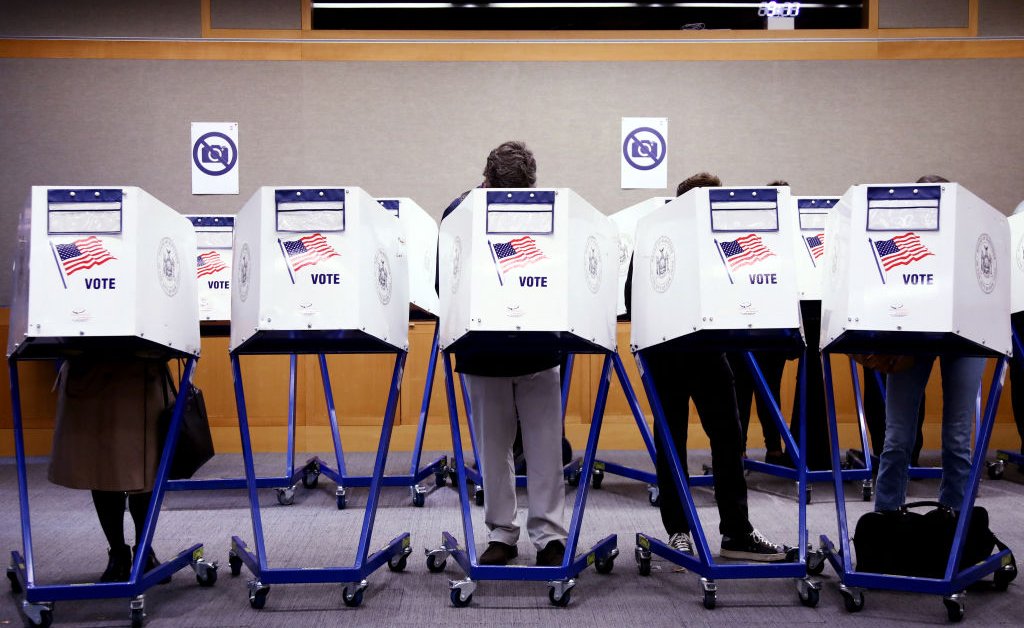
The recent U.S. election cycle highlights a persistent problem: voter turnout is disappointingly low compared to other democracies around the world. Despite a peak turnout of 66% in the last major election cycle, these numbers pale when matched against countries where voter participation regularly approaches 90%.
The Winner-Takes-All Problem
Many Americans choose not to vote, partly because the existing options may not resonate with them. The current winner-takes-all system contributes to voter dissatisfaction and alienates people from the democratic process, setting the stage for extreme candidates to emerge.
A Unique Electoral Structure
The United States employs a distinctive electoral approach. Unlike many democracies where multiple representatives are elected from each area proportional to the votes they receive, the U.S. elects a lone representative per district. For example, in societies where five members represent a district, a party with 40% of the vote would secure two of those five seats. Most democracies have shifted to this proportional model long ago due to its effectiveness.
Boosting Democratic Participation
When elections reflect a fairer representation, voter participation typically increases. The U.S.'s low turnout rates—often a result of electoral districts being noncompetitive—underscore this issue. Approximately four out of five districts predictably retain incumbents, and a significant portion of races feature no opposition candidate, reducing electoral competitiveness.
The Gerrymandering Dilemma
Gerrymandering is a significant culprit of electoral disillusionment. Even efforts to establish nonpartisan district drawing have limitations. Natural population distributions, into regions dominated by a single political party, complicate the creation of competitive districts, often sidelining minority voices.
Examining Massachusetts and Oklahoma provides clarity: in Oklahoma, one-third of voters are Democrats, yet all congressional seats are Republican; conversely, Massachusetts holds a Republican third of voters with none of the congressional seats. This discrepancy is less about intentional districting and more about the demographic realities.
Potential for Meaningful Reform
Transitioning to a proportional representation model stands as a viable reform. Such changes could spur competition between major parties across districts, invite diverse candidates, and improve voter engagement by offering genuine choices. Moreover, reshaping districts becomes an automatic feature under a proportional system.
Implementing Proportional Representation
The adoption of proportional representation can often be achieved through straightforward statutory adjustments, reachable by voter initiatives at the state level. Historically, Illinois experimented with a proportional model shortly after the Civil War, allowing broader representation up until its repeal in 1980.
Public Sentiment and the Future
Many citizens express frustration toward the electoral system. A loss of faith in democratic institutions, coupled with dissatisfaction over limited choices, fuels calls for reform. The crux of the matter is whether this anger can generate momentum for transformative policies like proportional representation, essential for revitalizing American democracy.
The future of U.S. democracy could very well hinge on these pivotal decisions.
Leave a Reply