


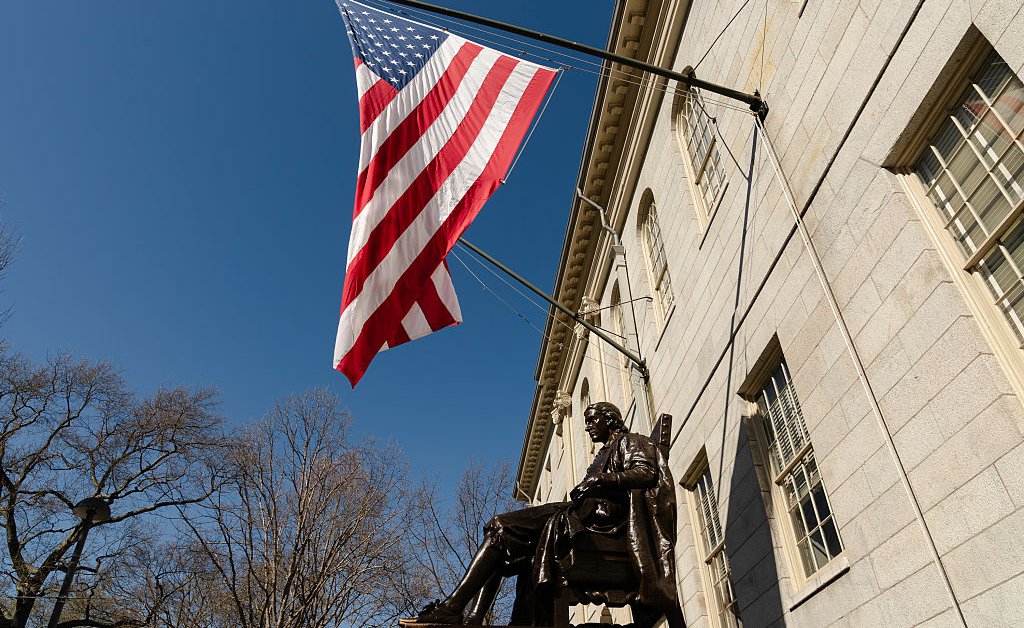
Harvard Sets an Example for American Leadership
President Trump's unforeseen barrage against the sphere of higher learning prompted a decisive reaction from Harvard and numerous other educational leaders. This scenario underscored a vital insight: succumbing to Trump's confrontations isn't a viable path for any institution.
Several academic leader figures initially seemed to comply with Trump's expectations, only to later discover he purportedly withdrew from previous assurances while escalating his terms. Institutions that attempted to appease Trump's demands eventually found those concessions futile. Past incidents have demonstrated that yielding often backfires, appearing as either frailty or capitulation.
A Catalyst for Academic Independence
The Trump administration's recent directive spotlighted demands imposed on Harvard University. Harvard's resistance was soon met with threats of federal funding cuts and challenges to its tax-exempt status. This federal intervention aimed at commandeering an independent institution has ignited widespread advocacy for higher education's autonomy, a critical and competitive sector on the global stage.
Support for this independence surpasses academia's perimeters. Even detractors of both higher education and proponents of Trump recognize his overreach. An editorial piece titled 'Trump Tries to Control Harvard' condemned the endeavor, emphasizing its excessive and unconstitutional intrusion. The Foundation for Individual Rights in Education (FIRE), although regularly critical of Harvard, termed the government demands unconstitutional and backed Harvard’s stance.
Trump's provocations against Harvard and its subsequent defiance appear to sway public sentiment. A survey conducted by Morning Consult involving 114,000 adults indicated increased favorability towards Harvard since Trump assumed office. The backlash from Trump's actions has sparked renewed enthusiasm among alumni.
Higher Education: Economic and Social Contributions
Unsanctioned, abrupt actions against educational institutions undermine the intellectual ecosystem and their broader societal contributions. Higher learning has long been a cornerstone of America’s prosperity, cultural depth, and innovation. The academic sector contributes immensely, equating to nearly 14% of the national service trade surplus.
The international student body significantly boosts the U.S. economy. Undermining universities endangers a key catalyst of American opportunity and economic growth, pivotal in enhancing socio-economic mobility and preparing a skilled workforce.
Beyond financial impacts, through collaboration with federal entities, American institutions have spearheaded life-saving innovations that have notably extended life expectancy over past decades.
Redefining the Role of Leadership in Education
Harvard, despite scrutiny over the years, marked a significant turning point due to its recent actions. The leadership exhibited by Harvard's President Alan Garber, alongside strong support from the board, including Chair Penny Pritzker and influential members like Ken Frazier and Ken Chenault, is a pivotal moment.
The timing of Harvard’s defiance against an overreaching governance coinciding with the 250th anniversary of Paul Revere's legendary call to arms against tyranny is symbolic. In 1775, Revere’s colleague, William Dawes, traversed Harvard grounds, alerting about rising authoritarianism, much like today.
A Collective Movement in Civil Society
Harvard isn’t alone in this challenging confrontation as numerous civil society pillars rally in support, reinforcing that Harvard need not stand alone in defending exploratory freedom, educational progression, and research innovation. This moment urges a collective response from individuals valuing the symbiotic achievements of U.S. universities and the government toward a thriving society.
This struggle is one of the most critical the sector has ever experienced. While legal sectors may have been slow to appreciate this learning, academic institutions continue to serve as both adept educators and agile adapters in this ongoing lesson.
Leave a Reply