


Monarch Butterflies' Future Hinges on Trump Administration Decisions
In the waning months of 2021, I found myself standing beneath a canopy of trees in a forest situated roughly two hours away from Mexico City, mesmerized by the aerial display of thousands of monarch butterflies making their way overhead. These vibrant orange and black butterflies, recognizable to many, were en route from North America to escape the harsh winter.
Each year, nearly every monarch butterfly located east of the Rocky Mountains migrates to this specific grove in Mexico. They undertake a daunting 2,000-mile journey, serving as vital pollinators while en route. By the time they arrive in December, they cluster in tens of millions, weighing down the branches of native fir trees. Scientists believe these trees offer an ideal climate that enables the butterflies to endure the winter months before they set off for their northern migration.
Despite their apparent abundance in this region—I had to be cautious not to step on them near streams—the species as a whole is declining. American scientists gauge the monarch populations each year by examining the area they occupy in this Mexican forest and tallying those along the California coast, where western monarchs hibernate. The gathered data speaks loudly about their precarious situation.
In recent years, the geographic area these butterflies cover in Mexico has shrunk dramatically—from an average of 21 acres in previous decades to just about 4.4 acres last winter. These alarming statistics are symptomatic of a broader reduction in butterfly numbers across the United States. Contributing factors include habitat loss in grasslands, pesticide application, and climate change-related droughts.
Protecting Monarchs Under the Endangered Species Act
Karen Oberhauser, a leading authority on monarchs from the University of Wisconsin Madison, emphasizes the noticeable decline in Mexico's monarch populations. This backdrop of diminishing numbers has led the Biden administration to propose listing the monarch butterfly under the Endangered Species Act (ESA), the nation's most stringent legal measure for wildlife protection.
The U.S. Fish and Wildlife Service, which enforces the ESA, has suggested classifying monarchs as 'threatened,' a status indicating potential risk of extinction. This classification, if confirmed, would criminalize the deliberate killing or harming of monarchs except under specific exemptions. It would also mandate federal agencies to ensure that their projects, like building pipelines or wind farms, do not jeopardize monarch populations.
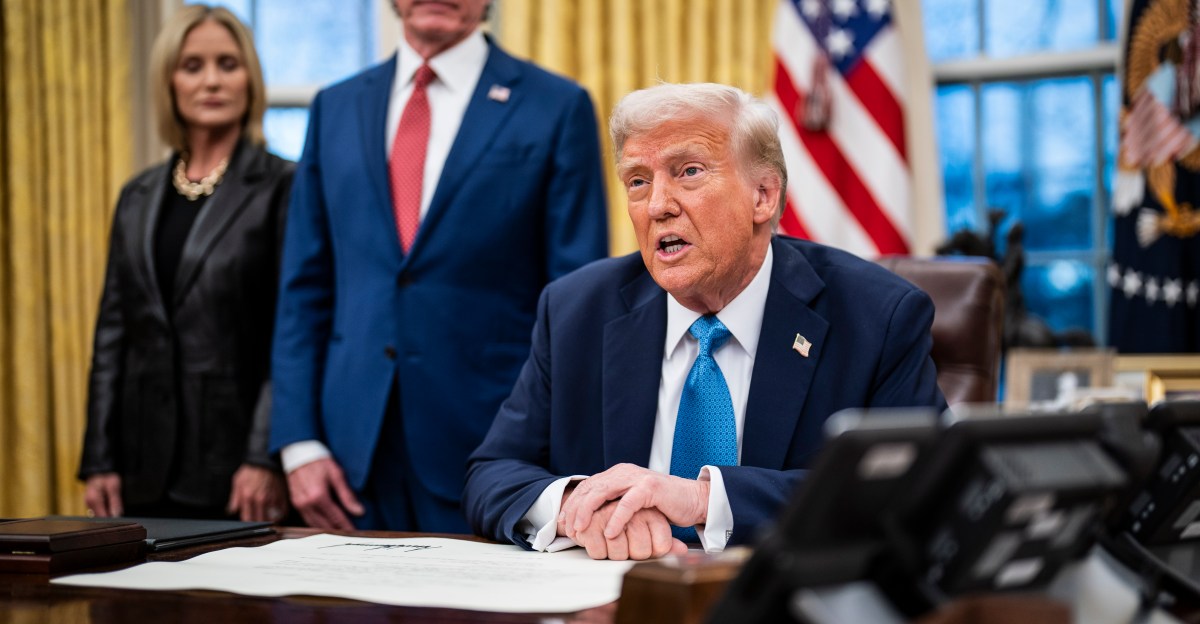
The proposal is significant due to the cultural and ecological prominence of monarch butterflies in the U.S. and represents years of advocacy by environmentalists. Yet, the Trump administration's stance could alter the trajectory of these protections.
Complicated Protection Efforts
Unlike many other endangered species, monarchs are ubiquitous across the U.S.—occupying urban, suburban, and rural environments, as well as migrating through multiple nations. Such widespread presence presents challenges for implementing federal protections, complicating any potential regulations due to diverse stakeholders involved—from agriculture to energy sectors.
Prior to Biden's proposal, there were internal concerns that designating the monarch as threatened might overburden the ESA. Some former Fish and Wildlife Service employees feared that introducing monarch-specific protections could strain the Act to its breaking point, especially with President Trump re-entering office.
The measures for animal conservation face narrowing pathways under the Trump administration. Already, legislative moves and executive decisions threaten to dilute ESA’s powers, impacting species like gray wolves and grizzlies. The reemergence of the Endangered Species Committee, or 'God Squad,' exciting powers to bypass wildlife protection for developmental projects, adds another layer of complexity to this landscape.
Current Status and Future Outlook
The status of monarch butterflies remains uncertain as officials continue to review public feedback on the proposed ESA listing. A final decision is expected next year, although pressures from the oil and gas industries could sway the outcome.
Should the Trump administration decide against listing monarchs, they must present a defensible rationale, according to Martha Williams, a former Service leader under Biden. Meanwhile, Trump's interior secretary argues federal wildlife rules are tools used to hinder national progress.
Protecting monarchs also raises issues about adequate manpower and financial resources within the Fish and Wildlife Service to manage conservation efforts. The Service is already grappling with staff reductions and fears of looming job losses.
Engaging with Monarch Conservation
Amid these complexities, the perception of monarch protection as an impediment to economic activities, such as real estate development and agriculture, is a concern for many environmentalists. This argument could be used by political forces to weaken the ESA.
To mitigate opposition, the Fish and Wildlife Service's proposal includes broad exemptions for various activities, from farming to certain industrial actions, to reduce regulatory burdens on individuals and businesses with similar conservation goals.
How to Support Monarchs: A Three-Step Guide
1. Start by planting milkweed seedlings or seeds in available outdoor spaces like gardens or balcony pots. Ensure the plant species is native to your local area.
2. Consider enhancing your planting by adding native wildflowers that provide nectar necessary for monarchs throughout their seasonal migrations.
3. For those ready to invest more, converting parts of lawns into prairies with milkweed and diverse wildflowers can create biodiversity havens.
Mind the Pesticides
Limit the use of herbicides and pesticides, especially neonicotinoids known to harm bees and butterflies. The ongoing discussion around pesticide regulation remains unresolved as it doesn’t fall under the Fish and Wildlife Service’s purview but under the Environmental Protection Agency.
Striking a balance between wildlife conservation and avoiding antagonism toward the ESA amid political vulnerability is the goal, according to Williams, as they pursue a viable path forward for monarchs.
Monarchs possess a unique advantage over other threatened species due to their widespread love and public advocacy. Citizens and organizations across the spectrum, recognizing the butterflies' ecological and cultural worth, have already embarked on conservation efforts, highlighting the collective commitment to their survival.
Leave a Reply