


Amidst Trump's Tariff Conflicts, Demand for K-Beauty Products Surges in the U.S.
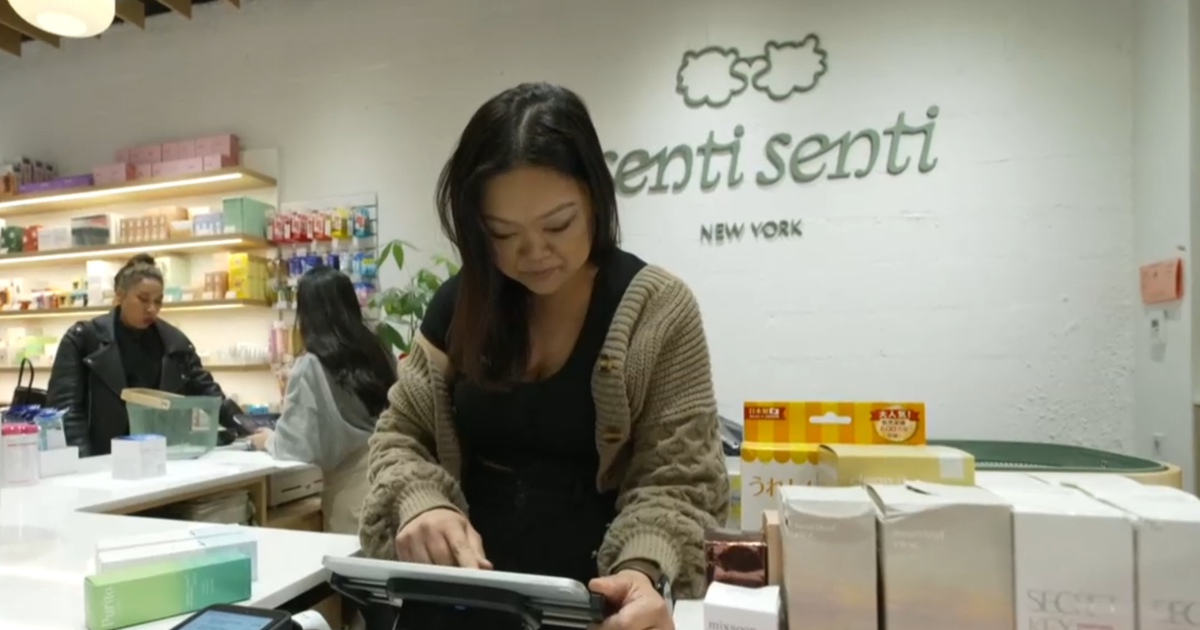
A distinctive skincare shop in Brooklyn, known as Senti Senti, offers a collection of beauty items uncommonly seen at other American retailers.
The vast majority of Senti Senti's beauty offerings, including serums, masks, and lotions, originate from South Korea and Japan.
With South Korea leading U.S. imports in cosmetics, the industry anxiously awaits the potential implementation of a 25% duty under President Trump's latest trade proposals, which saw a recent temporary suspension.
Meanwhile, Japan is also making moves to prevent a steep 24% tariff on its goods, evidenced by a recent White House meeting between Japanese delegates and U.S. officials.
Marie Del Rosario, who manages Senti Senti, explains, "Our customers are stocking up in anticipation. They are aware that changes are imminent, so they purchase several units of their favorite products."
U.S. imports of beauty products surpassed $7.5 billion last year, with around $1.7 billion sourced from South Korea, fueled significantly by the influence of digital beauty gurus.
Senti Senti's clientele is often motivated by online exposure, as Rosario notes, "Visitors often have a targeted intention, frequently discovering us through social media."
Carrie Kuiken, a regular shopper, shares her practice of purchasing for her Seattle-based sister, stating, "She provides a lengthy wishlist, and I ensure to send everything her way."
Among the top-selling items at the store is their sunscreen, currently priced at $17.99, though potential tariff implications could increase the cost above $20.
The Personal Care Products Council, which advocates for over 600 brands like Estee Lauder and Neutrogena, voices their worries: increased product costs from new trade rules could significantly impact American consumers, who typically utilize six to twelve personal care items daily.
Michelle Ranavat, creator of the beauty brand Ranavat, emphasizes the intricate network that characterizes the cosmetics industry, noting how ongoing trade unpredictability complicates business planning, especially for smaller enterprises.
Ranavat's business, although packaged domestically, relies on Indian-sourced ingredients, amplifying the potential tariff impact.
Preparing for potential price hikes, Senti Senti braces for changes, with Rosario anticipating adjustments either by late April or early May.
Leave a Reply