


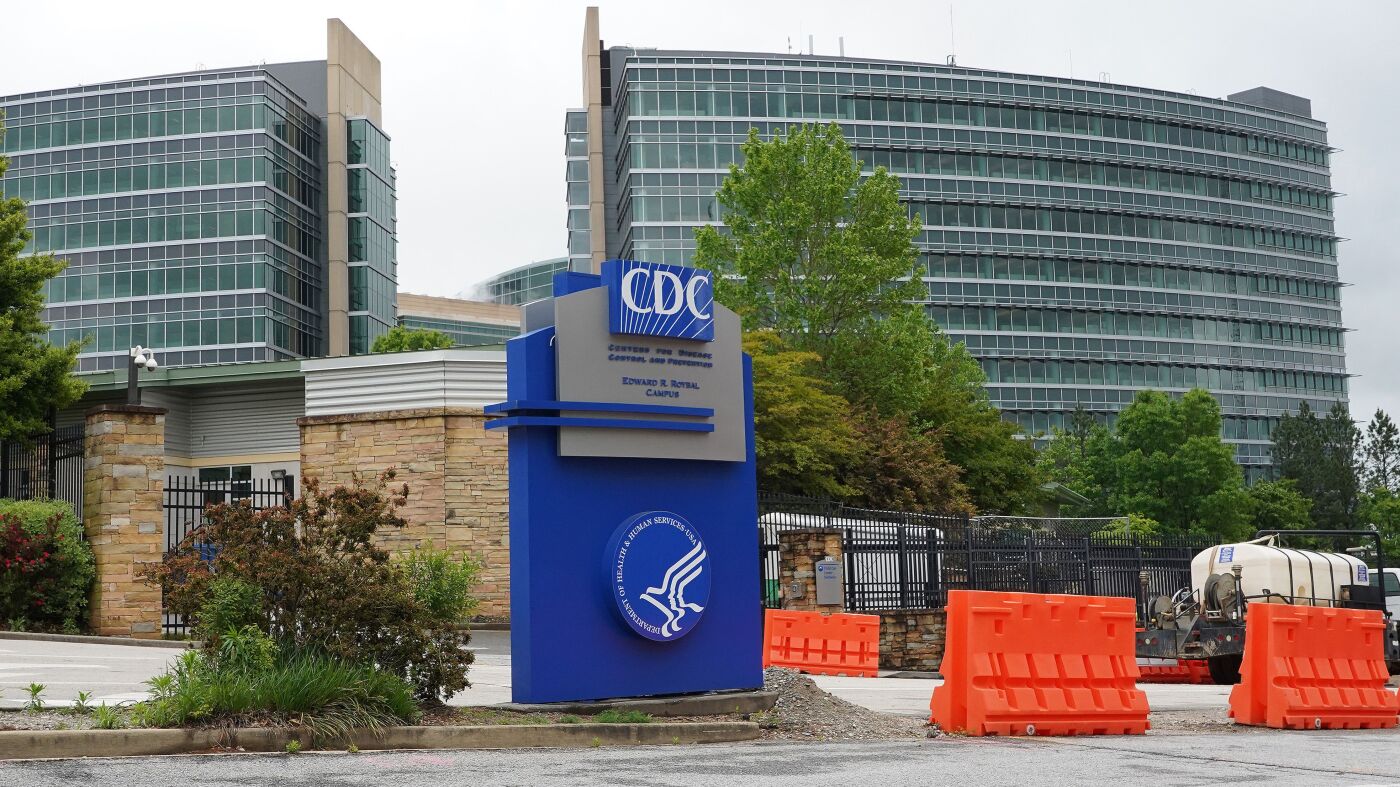
CDC Advisers' First Meeting Under RFK Jr.: Predictability Preserved
The recent gathering of the CDC's vaccine advisory committee unfolded over two days without any disruptions.
Despite initial anxieties about administration interference, the inaugural public meeting of the CDC's vaccine advisers under the Trump administration proceeded as expected.
During the session, the Advisory Committee on Immunization Practices endorsed proposals to broaden the availability of meningococcal vaccines and adjust the age guidelines for RSV immunization, recommending it for individuals aged 50 to 59 with specific risk considerations. Additionally, the committee advocated for the vaccination against chikungunya for travelers and lab workers likely to encounter the virus.
These suggestions are forwarded to the CDC director, who typically incorporates them into policy but reserves final decision-making authority.
Topics such as influenza and COVID vaccinations were briefly addressed and slated for in-depth discussion in subsequent meetings.
Concerns Over Rescheduled Sessions
Within the two-day session, the committee reviewed detailed data presentations on various vaccines, including mpox, flu, COVID, and chikungunya, engaging in detailed queries to better understand the comparative pros and cons of the vaccines. As per usual, technical intricacies dominated the discussions.
The meeting, initially planned for February, faced a delay following the confirmation of Robert F. Kennedy Jr. as the detailed presentation of operational complexities due to recent leadership changes.
Senator Lisa Blunt Rochester, expressing optimism, highlighted the importance of transparency in vaccine policy amid outbreaks and political transitions, urging continued public scrutiny.
Epidemiologist Katelyn Jetelina observed that while proceedings seemed routine, the mere continuity of business as usual was noteworthy given recent administrative shifts.
Jetelina noted nuances indicating alterations introduced recently, such as decreased public health funding and the elevation of individuals skeptical of vaccine efficacy to influential roles.
Impacts of Resource Reductions
The initial part of the meeting was affected by logistical hiccups, attributed to recent workforce reductions, particularly in the communications department, as explained by the committee chair.
Committee members focused sharply on the effects of reduced resources, particularly in relation to the CDC’s capacity to evaluate vaccine safety and effectiveness.
During a presentation on the flu vaccine's performance for the upcoming seasons, inquiries were made about the sustained funding for data collection systems. CDC's representative reassured that while three networks continue to receive support, one would cease operations.
The ongoing measles outbreak in Texas is another area feeling the impact of funding cuts, as noted in a CDC briefing.
With case numbers spiraling over 600 across several states and a significant reduction in public health resources in Texas, the financial strain of managing each measles case was emphasized by a CDC expert.
Reflecting on a past measles containment effort in New York, Dr. Jane Zucker highlighted the fiscal challenges posed by such outbreaks, indicating cost efficiency is paramount under current constraints.
Inquiry into Vaccine Safety
The meeting included participation from representatives of various U.S. health agencies and professional organizations.
Dr. Tracy Beth Høeg, attending on behalf of the FDA, voiced reservations about vaccine safety, succeeding Dr. Peter Marks as the FDA representative.
Dr. Høeg challenged the presented data by emphasizing the exclusion of adolescents with significant heart conditions from safety studies, thereby urging providers to consider these exclusions.
A dialogue concerning potential biases in influenza vaccine effectiveness estimates addressed the representation of vaccinated populations in testing studies, with assurances from CDC personnel about methodological safeguards against skewing results.
Public Participation and Feedback
The postponement of the session earlier this year was partly to allow for public feedback, as clarified by HHS officials.
Participants selected to present public commentary during the session extolled the committee’s adherence to rigorous scientific standards in vaccine recommendation processes, underscoring the necessity for ongoing public engagement and transparency.
Leave a Reply