


NPR's CEO Discusses Federal Funding's Future Impacts on Public Media
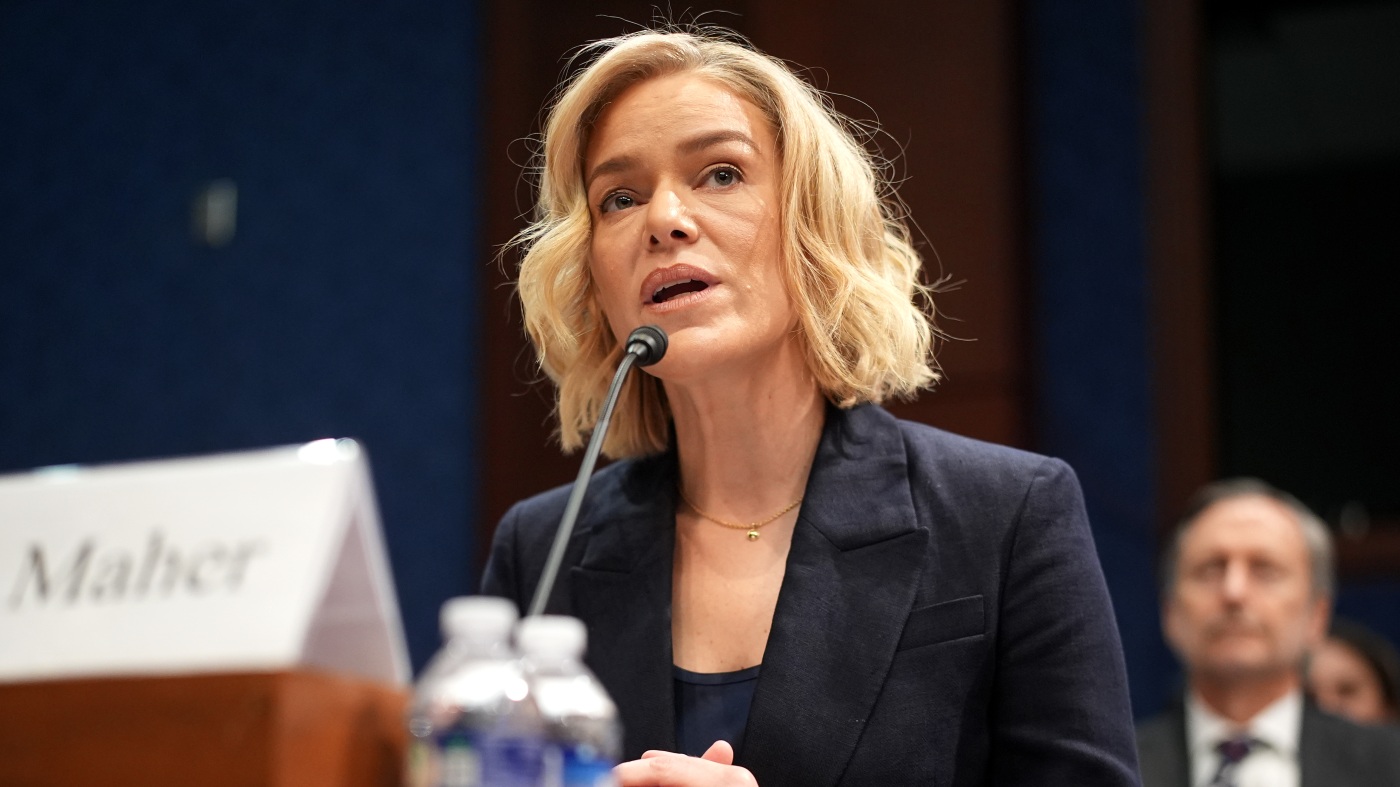
Katherine Maher, the President and CEO of National Public Radio, recently appeared before the House Oversight and Government Reform Committee in Washington, DC.
The Trump administration has put forward a proposal for Congress that seeks to cut nearly all federal funding for public media entities, such as NPR and PBS, according to a confidential source from the White House who spoke with NPR.
In their memo, the administration criticizes these networks for allegedly promoting what they term as 'radical and woke propaganda, presented as news.' Congress will receive the memorandum soon after their April 28 session reconvenes, triggering a 45-day period during which they must decide to approve or reject the funding cuts.
This action follows a March hearing where executives from NPR and PBS were called upon to address concerns from Republican lawmakers about perceived biases in their programming. Both Maher and her counterpart emphasized their commitment to unbiased, accessible news.
NPR has yet to be formally informed of any budget changes, which could affect them through fiscal years 2026 and 2027. $1.1 billion in total would be at stake, encompassing both radio and television public media, with NPR's share around $250 million.
Implications for NPR and Member Stations
Maher recently discussed these developments in an interview with NPR's Mary Louise Kelly. NPR adheres to journalistic standards that prohibit its executive staff, including Maher, from influencing interview topics or questions.
The primary effect of losing this funding, Maher explained, would be on NPR's extensive network of 246 stations spread across various regions. These stations, crucially serving rural and less accessible areas, heavily rely on federal funds to maintain operations. The loss could lead to significant reductions in service or even closure.
Federal contributions constitute about 1% of NPR's overall budget, aiding in essential activities like international conflict reporting and election coverage.
Survival and Adaptation
Maher highlighted that while NPR could continue to exist without government funding, its ability to function effectively nationwide might be compromised. Federal support strengthens the network's coverage, especially in news-sparse areas.
Public media serves an essential role in regions lacking other news sources, often being the only news provider for nearly 20% of the U.S. population.
Responding to Criticism
In response to political criticisms like those from Congresswoman Marjorie Taylor Greene, who suggested NPR should operate without federal support, Maher emphasized their objective to provide impartial news to all Americans.
Maher argues that federal funding allows NPR to maintain an inclusive platform, serving diverse audiences across the country without a profit-driven agenda. This funding model aligns with public broadcasting's mission to encourage nationwide dialogue and understanding.
Leave a Reply