


Harvard's Stand Against Presidential Pressure
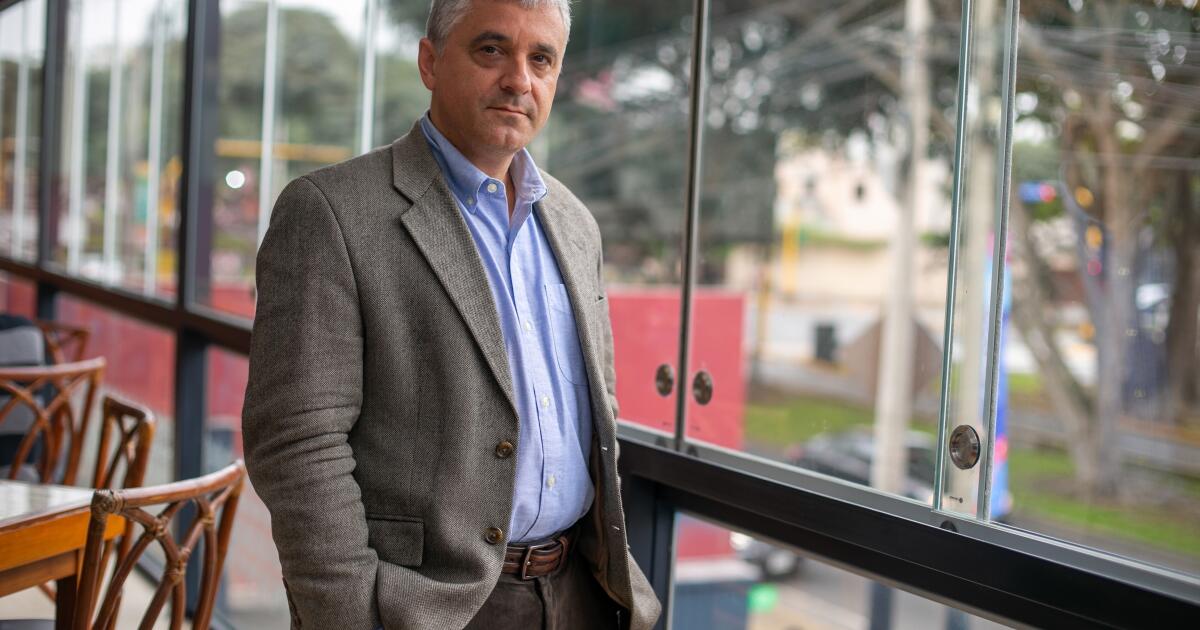
Steven Levitsky, a renowned political scientist at Harvard, felt deeply troubled following the reelection of Donald Trump. He had spent years analyzing authoritarian systems in foreign countries, but Trump's presidency demanded his focus closer to home. His co-authored book, 'How Democracies Die,' became unexpectedly popular, detailing autocratic risks in Trump's governance, such as attacking the media, judiciary, and elections.
The reelection was a significant emotional blow to Levitsky. It conflicted with his prolonged efforts to avert such outcomes. However, he soon diverted his energies back towards advocating for democracy.
A Renewed Call for Action
Resuming his role as a vocal critic, Levitsky highlighted the dangers of a second Trump term, expecting a further erosion of democratic principles. His predictions were validated as Trump swiftly dismantled government structures, threatening the foundational checks and balances.
The administration's interventions were particularly concerning for academic institutions, including a direct focus on Harvard. The government pressured these institutions to eliminate perceived ideological biases and adjust international student admissions based on an 'American values' metric, among other demands.
Defending Academic Freedom
In response, Levitsky and fellow scholars called on Harvard to counter these pressures by uniting against such anti-academic maneuvers. Following this advocacy, Harvard decided against complying with the administration's ultimatum, citing infringement on its long-standing autonomy.
The federal response was swift, freezing significant financial grants and threatening the university’s tax-exempt status. This confrontation is expected to find its way into judicial proceedings.
A Broader Civil Response
Levitsky emphasized the duty of prominent institutions like Harvard to lead the fight, given their resources and societal influence. He attributed his concern not to a single political figure but to a declining respect for democratic norms across party lines.
His insights were shared with students during an academic lecture on dictatorship, where he underscored lessons from global authoritarian regimes. The session ended with a firm encouragement to continue resisting undemocratic shifts.
Optimism for Democracy
Despite domestic challenges, Levitsky remains optimistic about global democratic trends, referencing countries that retained democratic systems despite adverse influences. The U.S. civil society, he insisted, possesses the capacity to counteract regressive political movements.
Harvard's decision to oppose the administration's demands marked a pivotal moment in this ongoing struggle, reflecting a broader resolve to uphold academic freedom and democratic ideals. Levitsky's efforts and Harvard’s actions illustrate a formidable academic resistance to political overreach.
Leave a Reply