


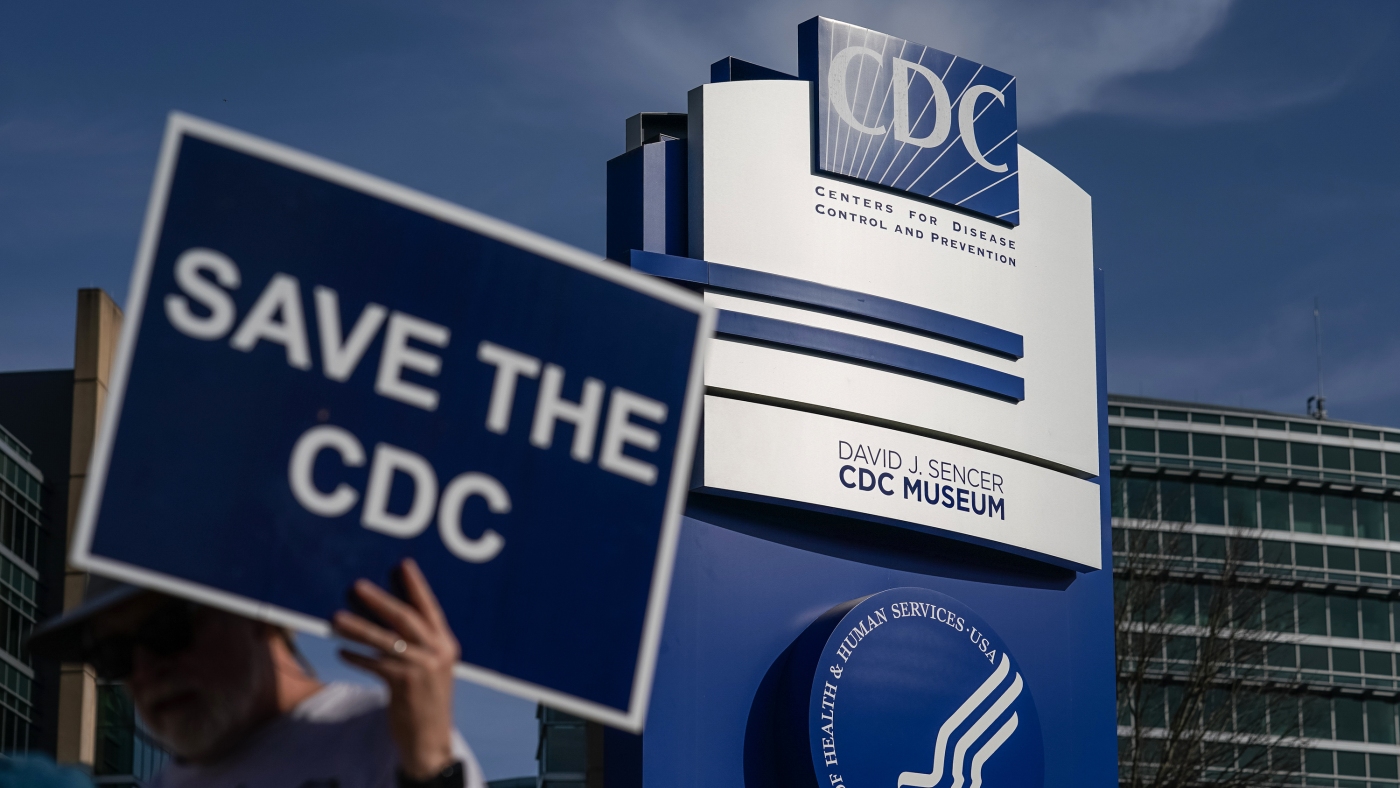
Hepatitis Outbreak Investigation Halted as CDC Lab Closure Looms
Due to government cutbacks in April, the CDC's Viral Hepatitis Division was unexpectedly shut down.
In December, when hepatitis C cases emerged in a Florida beachside community, state healthcare officials gathered samples, placing them in dry ice before dispatching them to the CDC headquarters in Atlanta.
Hepatitis C, notorious for its stealthy transmission through blood contact and potential to escalate into fatal liver cancer, required the expertise of the specialized CDC Viral Hepatitis Division.
With a rich history of breakthrough research, credited with the initial identification of the hepatitis C virus in the 1980s and later recognized by a Nobel Prize, the lab housed nearly 1 million specimen samples.
Skilled scientists swiftly determined that nine infection instances stemmed from a single pain clinic, pinpointing unsafe vial reuse by a physician. Consequently, by March, state medical authorities acted by limiting the doctor's practice and prepared additional patient tests for CDC scrutiny.
Jobs Terminated: Investigations Suspended
By the start of April, the inquiry into the outbreak ceased abruptly. All 27 researchers received notifications, courtesy of the U.S. Department of Health and Human Services, that their roles were deemed redundant. Placed on administrative leave until early June, their association with the CDC would not continue.
The notifications stated their responsibilities were considered either non-essential or duplicated within the agency elsewhere. Yet, experts assert that the lab's genetic analysis capabilities are unparalleled globally.
The lab's closure means pending hepatitis outbreak investigations across multiple states, not only Florida, have stalled, contributing scientists revealed to NPR. Individual sources requested anonymity to avoid backlash.
Potential Public Health Risks
Specialists in infectious diseases caution that the closure raises the stakes of viral infections expanding unchecked in the public.
Kelly Wroblewski, from the Association of Public Health Laboratories, warned of missed opportunities to contain outbreaks, heightening overall health threats.
The inability to test recent samples exacerbates concerns, as epidemiologists struggle to identify alternate analysis providers, an insider disclosed.
Broader Repercussions
Without the CDC's unique expertise, connecting new infections back to the initial Florida clinic remains challenging, lab insiders lamented.
The absence of comprehensive testing casts doubt on the extent of individual exposure within the clinic setting, suggesting numerous unrecognized cases.
Despite inquiries, NPR couldn't secure interviews from either the Florida Health Department or CDC, facing bureaucratic hurdles at the Department of Health and Human Services.
HHS Partial Reversals and Pleas
Shortly following the reduction notices, HHS Secretary Robert F. Kennedy Jr. confessed to potential reassessments, with some roles possibly reinstated amidst the workforce cutbacks.
An advocacy letter from the Association of Public Health Laboratories to Kennedy underscored the irreplaceable nature of the CDC's Viral Hepatitis team, stressing the void their departure would create.
Despite these urgings, there has yet to be an official response regarding the future of the lab's operations.
Vital Laboratory Functions in Limbo
Viral hepatitis continues to inflict widespread health consequences, impacting and claiming thousands of lives yearly. In 2022 alone, over 85,000 American cases were estimated, with thousands of mortalities linked directly to the infections or related complications.
The now-closed lab played a critical role in not only identifying the virus early on but also in paving the way for vaccine and strain discoveries, potentially averting numerous outbreaks over the years.
Given their unique position within the nation's health infrastructure, closures such as this are uncommon, with transition plans usually in place for retiring scientists.
However, with negligible warning, staff were instructed to close shop in a single day, stranding millions of critical samples on site, a task deemed nigh impossible to execute properly.
Tech and Talent at Risk
The lab’s innovative genomic analysis suite, GHOST, essential for former investigations, now lies in uncertainty. Assembled with substantial congressional funding, ongoing maintenance is vital for its operation. Without oversight, the system risks operational failures and long-term setbacks in technological advancements threatening national health information.
Although shut out, some scientists have attempted to access the lab to preserve the system. Yet access has been reportedly inconsistent, complicating their efforts.
The prospect of losing valuable equipment and samples without proper decommissioning is a costly oversight, both logistically and financially.
Unforeseen Impact on Public Health Preparedness
Historically, this division responded expertly to emergent health threats, significantly when novel viruses appeared, such as during early COVID-19 responses.
"During crises like COVID-19, we were pivotal," recalled a former lab practitioner, highlighting the essential service they provided under past duress.
The future remains uncertain for the scientific team, who remain hopeful that recognition of their critical contributions will prompt reconsideration and a return to their lifesaving endeavors.
Leave a Reply