


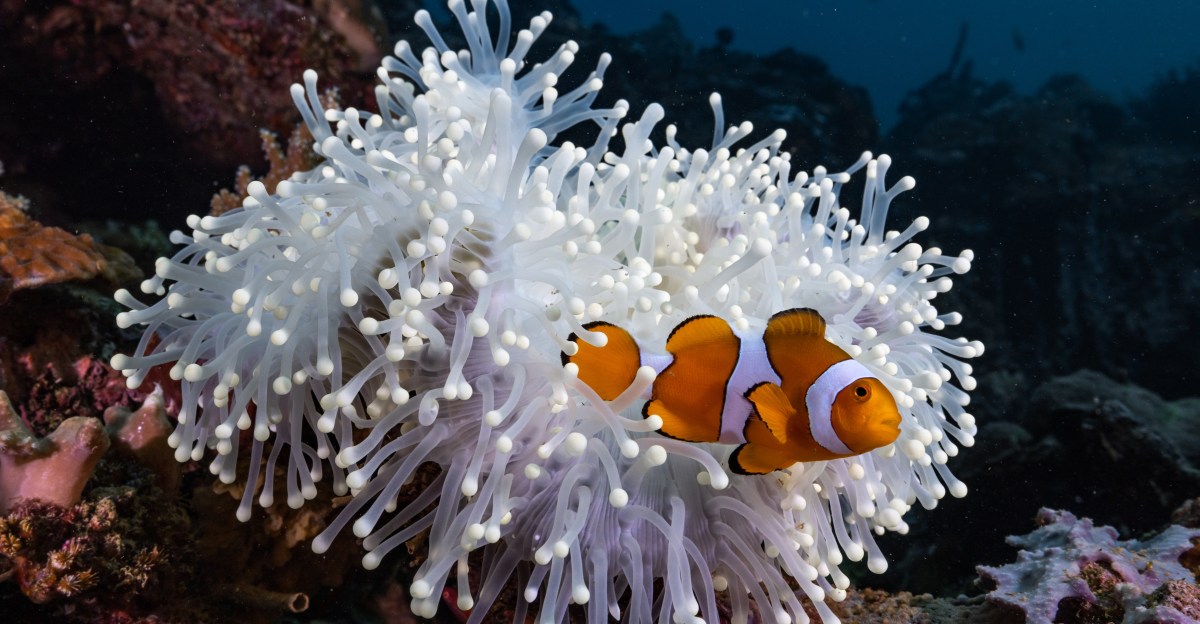
The Mystifying Phenomenon of Shrinking Clownfish
Imagine the heat of 2023 altering the very nature of marine life. Scientists diving near Papua New Guinea found something astonishing: clownfish were shrinking.
Over six months, from February to August, scientists regularly measured 134 clownfish. The result? A majority of them had reduced in size.
Recently, these findings were documented in Science Advances. The researchers noted a slight but notable decrease in length for many of these fish, coinciding with an intense heat wave.
"The observation of shrinking was unexpected. To confirm our results, we repeatedly measured each fish over five months," explained Melissa Versteeg, who spearheaded the study with partners such as Mahonia Na Dari and Walindi Resort. "Ultimately, it became clear that this size reduction was prevalent in the group studied."
While the exact mechanism behind this phenomenon remains unclear, Versteeg speculates the possibility of the clownfish absorbing some of their own bones or tissue. Importantly, this reduction in size might serve as an adaptation to cope with rising sea temperatures.
Advantages of Being Diminutive
Last year, global temperatures were approximately 2.65 degrees higher than in the 1800s, drastically affecting various species. From sparking wildfires to coral bleaching, these changes are mostly detrimental.
Interestingly, heating appears to correlate with smaller body sizes across multiple species. A remarkable 2019 study highlighted a 2.6 percent average shrinkage in birds over recent decades. Such trends are now being seen in small mammals and fish in North America and other marine environments.
Why Shrink at All?
Being petite in warmer climates can be advantageous. Warm-blooded animals lose heat more efficiently if they're small, but with cold-blooded species like clownfish, reasons are less obvious. Researchers hypothesize it aids in meeting their energy needs more efficiently.
Regardless of the exact reason, shrinking has proven beneficial for clownfish. The study showed that those which reduced in size had significantly better survival odds.
"Clownfish demonstrated an impressive ability to adapt swiftly to changing conditions," Versteeg noted. "They adjusted their size both as individuals and as part of breeding pairs to endure thermal stress, an effective survival strategy."
This insight adds to an otherwise somber narrative concerning oceanic ecosystems. Climate-induced heat waves are profoundly damaging coral reefs, jeopardizing various marine species like clownfish and commercially important fish such as snappers.
In these challenging times, the resilience of wildlife is noteworthy. However, should warming trends persist, even the most adaptive responses may fall short.
Leave a Reply