


Impact of GOP Tax Reform on U.S. Sustainability
Experts in the energy sector warn that the GOP's multitrillion-dollar tax reform could significantly hinder efforts to reduce carbon emissions in the United States.
The House, on Thursday, moved forward with a comprehensive legislative package that tackles tax reliefs, restructuring Medicaid, and immigration costs, echoing the core promises of President Donald Trump’s campaign.
Effects on Energy and Environmental Policy
Specialists in environmental policy have indicated that the GOP-led tax cuts might derail U.S. climate objectives and sustainability initiatives.
Alys Campaigne, heading climate initiatives at the Southern Environmental Law Center, highlights that the removal of clean energy tax credits would be among the most damaging consequences, as the bill plans to either repeal or accelerate the end of numerous tax benefits from the Biden administration aimed at supporting clean energy.
"The primary agenda for Trump and the Republicans seems to be extending various non-energy-related tax reductions," Campaigne articulated. "This initiative seems to be a strategy to fund their extensive tax cut agendas."
Threat to Renewable Energy Investments
The bill requires new energy developments to commence within 60 days or become operational by the end of 2028, and it intends to undo parts of the 2022 Inflation Reduction Act described as a significant federal investment in clean energy.
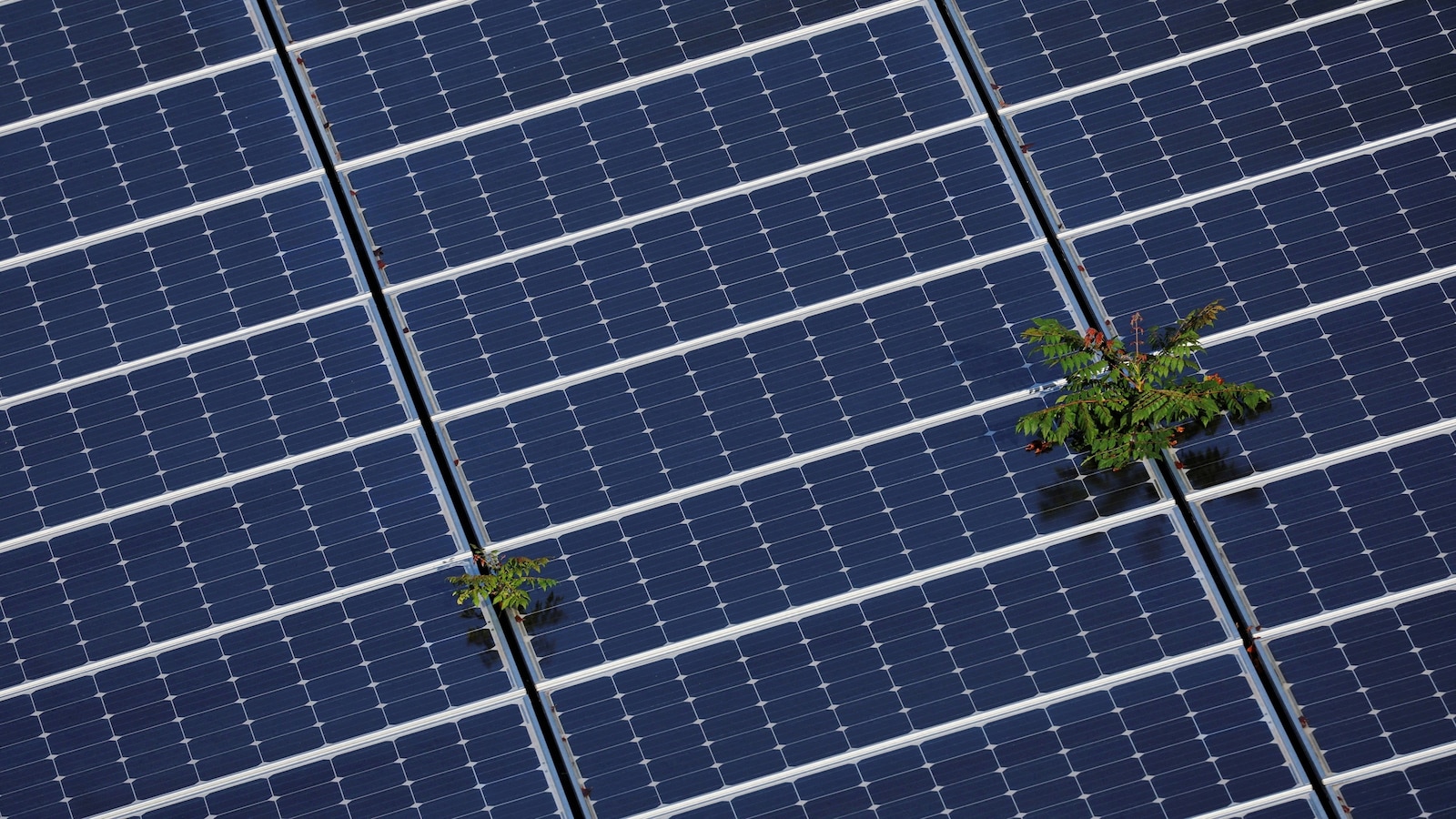
Tax credits for solar panel installations and electric vehicles will be withdrawn, adversely affecting renewable energy advancements.
Several lawmakers have advocated for the continuation of energy tax incentives, covering both conventional and renewable sources. A repeal might disrupt energy production and investments, particularly impacting states represented by certain senators.
The potential revocation of these credits could jeopardize up to 330,000 jobs, with additional strain placed on consumers through anticipated rises of $51 billion in electricity charges.
Political Disputes and Economic Implications
Andrew Reagan, from Clean Energy for America, expressed that the bill threatens a thriving clean energy sector that has been pivotal for the economy—reducing costs, creating employment, and nurturing local economies, while also fortifying the nation's energy independence.
According to Lori Lodes of Climate Power, the measure is seen as potentially sparking an American energy crisis, branding the move as a "reckless betrayal" of voters’ trust.
Efforts to retract government oversight and introduce polluter fees under this bill have also raised alarms among environmentalists.
Future Legislative Adjustments
The legislation continues to face opposition and revision, especially as it proceeds to the Senate, where significant modifications are expected.
Nonpartisan bodies like the Congressional Budget Office are still scrutinizing the bill, which retains possibilities for adjustments that might alter or abandon contentious elements, including land sales in Nevada and Utah.
Campag said that the language in the bill remains flexible, making it unclear which parts will ultimately be enacted and how they will affect nationwide policies.
Leave a Reply